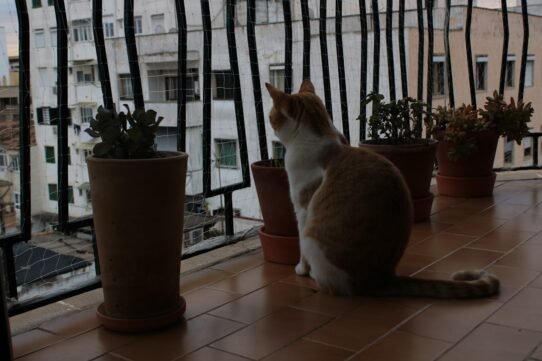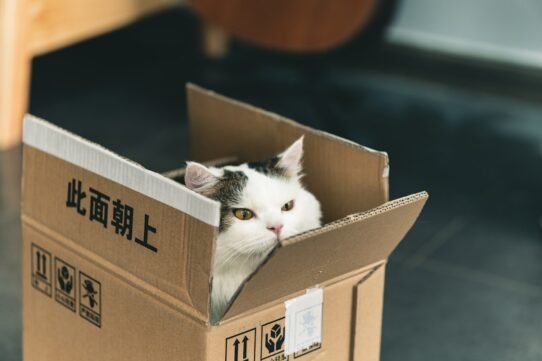




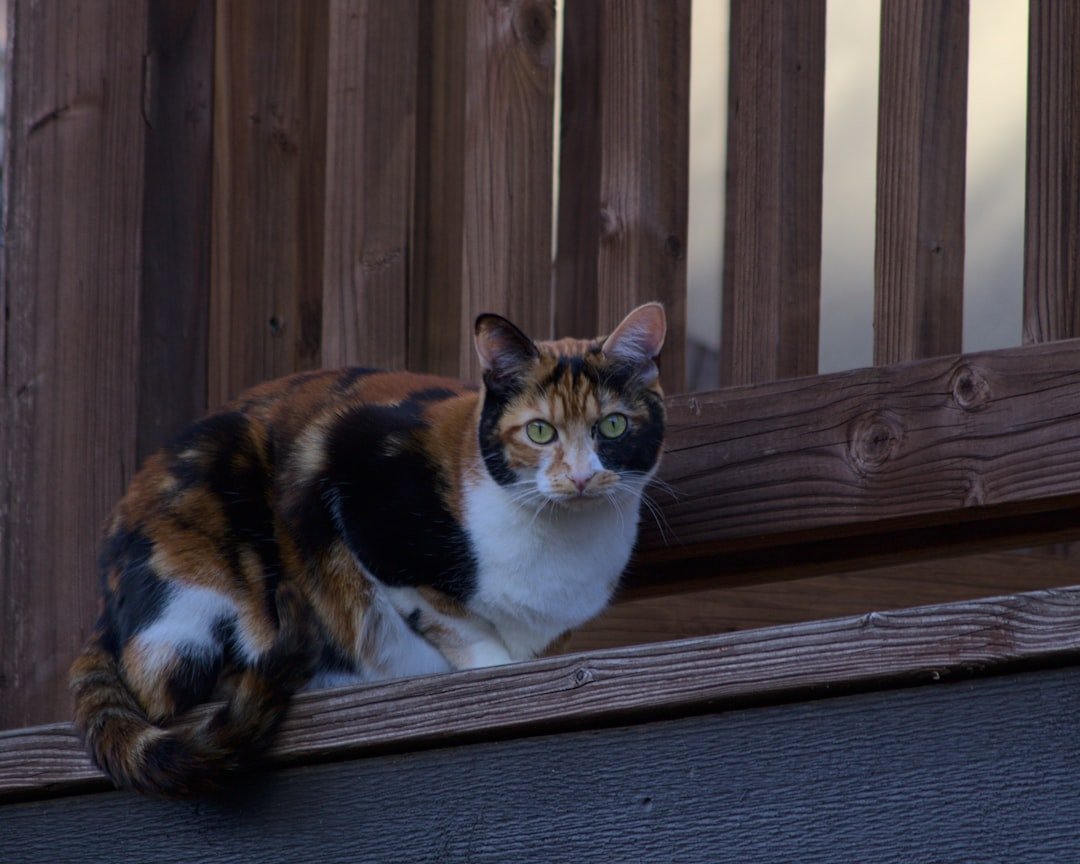
When you find yourself on the receiving end of a cat’s unwavering gaze, it can evoke a range of emotions, from curiosity to concern. Cats are known for their enigmatic behavior, and their stares can often feel like a window into their mysterious world. Unlike dogs, who may express their feelings through wagging tails and playful barks, cats communicate in subtler ways.
A cat’s stare can signify various emotions, including curiosity, affection, or even a desire for attention. Understanding the meaning behind this behavior can deepen the bond between you and your feline friend. In many cases, a cat’s stare is an invitation to engage.
They may be observing you closely, trying to decipher your actions or simply enjoying your company. This intense focus can also indicate that they are in a relaxed state, feeling safe and secure in their environment. However, it’s essential to recognize that not all stares are created equal.
A prolonged gaze can sometimes signal discomfort or even aggression, especially if accompanied by other body language cues. By paying attention to the context and your cat’s overall demeanor, you can better interpret what that penetrating stare truly means.
Key Takeaways
- A cat’s stare can convey various emotions, from curiosity to affection or alertness.
- Blinking slowly is a key sign of trust and comfort in feline communication.
- Prolonged eye contact may indicate bonding but can also signal stress or health issues.
- Understanding feline body language helps strengthen the owner-cat relationship.
- Responding gently to a cat’s stare fosters trust and emotional connection.
Understanding Feline Body Language
To fully grasp the nuances of a cat’s stare, one must delve into the broader spectrum of feline body language. Cats communicate through a combination of vocalizations, postures, and facial expressions. For instance, a cat that is relaxed will often have its ears pointed forward and its body loose.
In contrast, a cat that feels threatened may arch its back, puff up its fur, and flatten its ears against its head. These physical cues are essential for understanding how your cat is feeling at any given moment. Moreover, the position of a cat’s tail can provide significant insight into its emotional state.
A tail held high often indicates confidence and happiness, while a low or tucked tail may suggest fear or submission. When combined with eye contact, these signals can paint a clearer picture of your cat’s mood. For example, if your cat is staring at you with a relaxed body posture and a high tail, it likely means they are comfortable and content in your presence.
Conversely, if their body is tense and their tail is flicking, it may be time to give them some space.
The Bond Between Cats and Their Owners
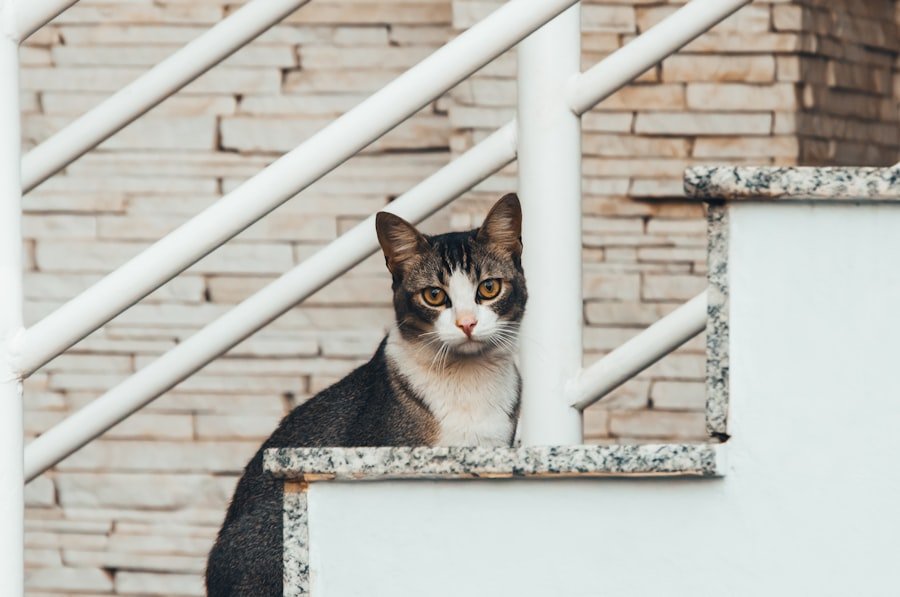
The relationship between cats and their owners is unique and multifaceted. Unlike dogs, who are pack animals and thrive on social interaction, cats are more independent creatures. However, this independence does not mean they lack affection or attachment to their human companions.
In fact, many cats form deep bonds with their owners, often expressing their love through subtle gestures like purring, kneading, and yes, those intense stares. Building a strong bond with your cat requires patience and understanding. Engaging in interactive playtime, providing enrichment through toys and scratching posts, and respecting their personal space are all crucial elements in fostering a healthy relationship.
When you take the time to understand your cat’s needs and preferences, you create an environment where they feel safe and loved. This bond can lead to more profound interactions, including those meaningful stares that signify trust and connection.
The Role of Blinking in Cat Communication
Interestingly, blinking plays a significant role in how cats communicate with one another and with humans. A slow blink from a cat is often referred to as a “cat kiss.” When your feline friend gazes at you and then slowly closes its eyes before reopening them, it is expressing trust and affection. This behavior is akin to a human smile; it signifies comfort and contentment in your presence.
To reciprocate this gesture of love, try slow blinking back at your cat. This simple act can strengthen your bond and reassure them that you feel safe around them too. By engaging in this form of communication, you create a mutual understanding that transcends words.
It’s a beautiful reminder that even in the world of pets, love can be expressed in the most subtle yet profound ways.
Reasons for Prolonged Eye Contact
While some eye contact from your cat may be affectionate or curious, prolonged eye contact can have different implications depending on the context. In the wild, cats often use eye contact as a way to assert dominance or challenge other animals. If your cat is staring at you for an extended period without breaking eye contact, it could be testing boundaries or asserting its place in the household hierarchy.
However, it’s essential to consider the environment when interpreting this behavior. If your cat is staring at you while you’re engaged in an activity they find interesting—like eating or playing—they may simply be trying to get your attention or hoping for a treat. Understanding the context of the stare can help you respond appropriately and maintain harmony in your home.
Signs of Trust and Affection
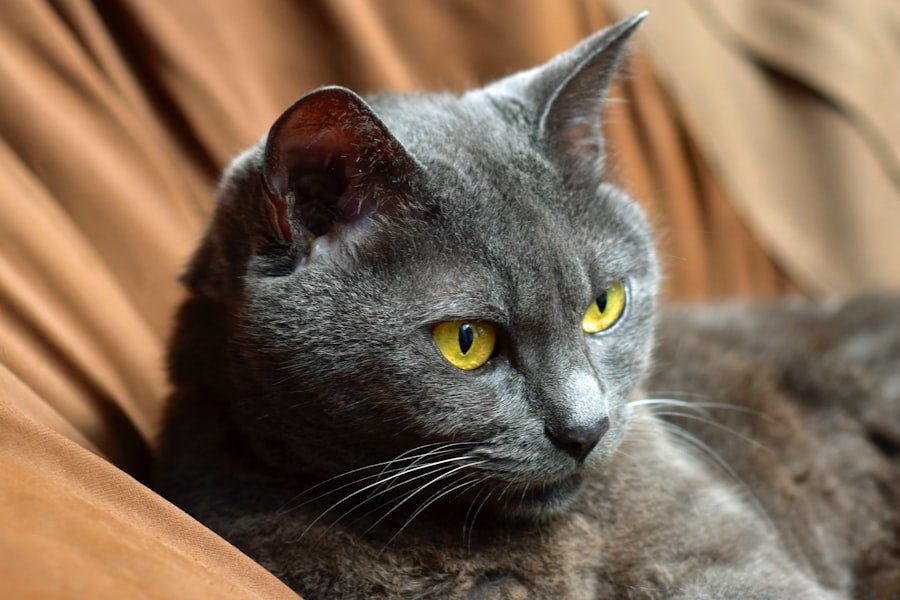
Cats have their unique ways of showing trust and affection toward their owners. Beyond those captivating stares and slow blinks, there are several other behaviors that indicate your feline friend feels secure in your presence. For instance, if your cat follows you from room to room or seeks out your lap for a nap, these are clear signs that they enjoy being around you.
Another way cats express affection is through grooming behaviors. If your cat licks you or nuzzles against you with their head, they are demonstrating trust and love. These actions are akin to social bonding rituals among cats in the wild.
By recognizing these signs of affection, you can foster an even deeper connection with your pet.
Potential Health Concerns
While many stares from your cat are harmless expressions of curiosity or affection, there are instances where prolonged eye contact could indicate underlying health issues. For example, if your cat seems fixated on one spot or stares blankly without blinking for an extended period, it could be experiencing vision problems or neurological issues that require veterinary attention. Additionally, changes in eye contact behavior—such as increased aggression or avoidance—can signal stress or discomfort related to health concerns.
If you notice any sudden changes in your cat’s behavior or eye contact patterns, it’s essential to consult with a veterinarian to rule out any potential health problems.
How to Respond to Your Cat’s Stare
Understanding how to respond to your cat’s stare can enhance your relationship with them significantly. If you find yourself on the receiving end of those intense gazes, take a moment to assess the situation. Are they seeking attention? Do they want to play? Or are they simply enjoying your company? Responding appropriately can strengthen the bond between you and your feline companion. If your cat appears relaxed and affectionate during their stare, consider engaging them with gentle petting or interactive playtime. On the other hand, if their body language suggests discomfort or aggression—such as flattened ears or a tense posture—it’s best to give them some space until they feel more at ease. By being attuned to your cat’s needs and responding thoughtfully to their communication cues, you can create a harmonious environment where both you and your pet thrive. In conclusion, understanding the meaning behind a cat’s stare involves delving into the intricate world of feline communication and body language. By recognizing the signs of trust and affection while also being aware of potential health concerns, you can foster a deeper bond with your furry friend. At Lovepetcare, we understand that every pet has its unique personality and communication style. Our professional dog walkers and pet sitters are trained to recognize these nuances in behavior so that we can provide the best care possible for your beloved pets in LA and New York. Whether it’s through attentive playtime or simply being present during those quiet moments of connection, we are dedicated to ensuring that every pet feels loved and understood.