




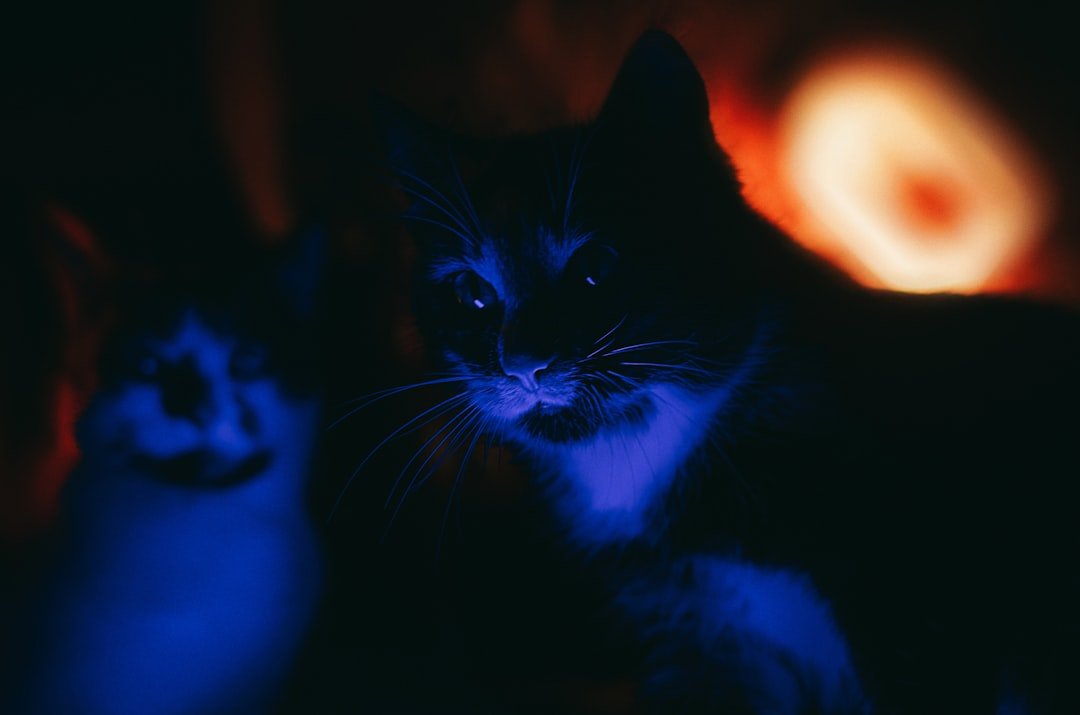
When you hear your cat meowing in the dead of night, it can be both puzzling and frustrating. Understanding the reasons behind this behavior is crucial for both your peace of mind and your cat’s well-being. Cats are naturally crepuscular creatures, meaning they are most active during dawn and dusk.
This instinctual behavior can lead to increased vocalization during the night, as they may feel more energetic and alert when you are trying to sleep. Recognizing that this is part of their natural rhythm can help you approach the situation with empathy rather than annoyance. Moreover, your cat’s nighttime meowing can also be a form of communication.
Cats meow for various reasons, including to express hunger, seek attention, or even to indicate discomfort. If your feline friend is meowing at night, it may be trying to tell you something important. By paying attention to the context of the meowing—such as whether it coincides with feeding times or if it seems more urgent—you can begin to decipher what your cat is trying to communicate.
This understanding can foster a stronger bond between you and your pet, as you learn to respond to their needs more effectively.
Key Takeaways
- Nighttime meowing in cats can stem from health issues, boredom, anxiety, or natural instincts.
- Addressing medical problems is crucial to rule out pain or discomfort causing vocalization.
- Providing mental and physical stimulation can reduce boredom-related nighttime meowing.
- Anxiety and stress may increase nighttime vocalizations, requiring calming strategies.
- Persistent meowing might be attention-seeking, and professional help can assist in managing this behavior.
Addressing potential health issues that may be causing your cat’s nighttime meowing
One of the first steps in addressing your cat’s nighttime meowing is to consider whether there might be underlying health issues at play. Cats are adept at hiding discomfort or pain, so their vocalizations could be a sign that something is amiss. Conditions such as hyperthyroidism, dental problems, or even arthritis can lead to increased vocalization, especially at night when they may feel more vulnerable or restless.
If you notice a sudden change in your cat’s behavior or an increase in meowing, it’s wise to consult with a veterinarian. In addition to physical ailments, cognitive dysfunction syndrome (CDS) can also affect older cats, leading to confusion and anxiety that may manifest as nighttime vocalization. If your cat is aging and you notice signs of disorientation or changes in sleeping patterns, it’s essential to discuss these symptoms with your vet.
They can provide guidance on managing these conditions and may suggest treatments that can help alleviate your cat’s discomfort, ultimately reducing their nighttime meowing.
Exploring the role of boredom and lack of stimulation in your cat’s nighttime meowing
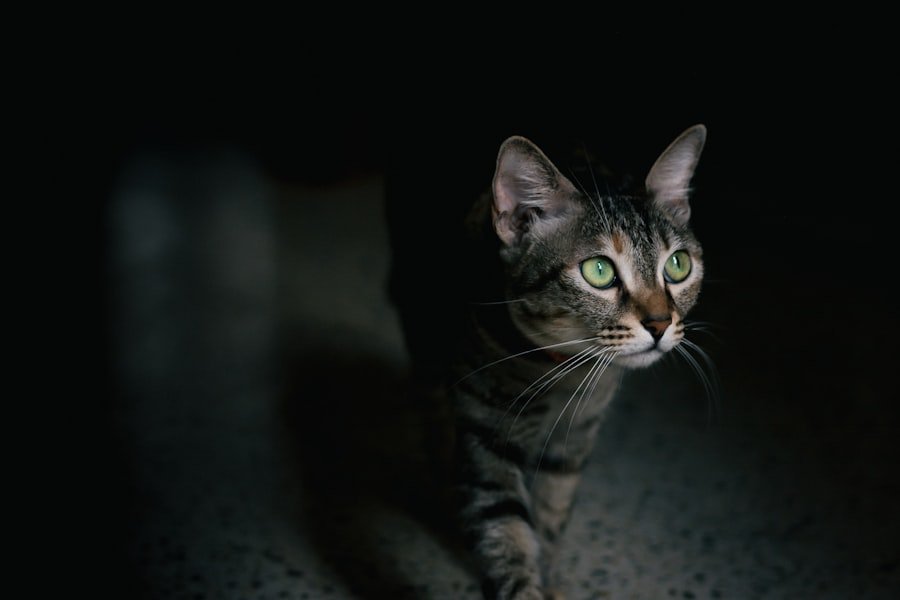
Boredom is another significant factor that can contribute to your cat’s nighttime meowing. Cats are intelligent creatures that require mental and physical stimulation to stay happy and healthy. If your cat spends long hours alone during the day without adequate playtime or interaction, they may become restless and vocalize at night as a way to express their pent-up energy.
Engaging your cat in interactive play sessions during the day can help alleviate this boredom and reduce nighttime vocalizations. Consider incorporating a variety of toys and activities into your cat’s daily routine. Puzzle feeders, laser pointers, and feather wands can provide both mental and physical stimulation, keeping your cat entertained and satisfied.
Additionally, creating a stimulating environment with climbing structures or scratching posts can encourage exploration and play. By ensuring that your cat has plenty of opportunities for engagement during the day, you may find that their nighttime meowing decreases significantly.
Discussing the impact of anxiety and stress on your cat’s nighttime meowing
Anxiety and stress can also play a significant role in your cat’s nighttime meowing. Changes in their environment, such as moving to a new home, the introduction of new pets, or even alterations in your daily routine can trigger feelings of insecurity in your feline friend. When cats feel anxious, they may vocalize more frequently as a way to express their distress or seek comfort from you.
Understanding the triggers for your cat’s anxiety is essential in addressing their nighttime behavior. To help alleviate anxiety-related meowing, consider creating a safe and comforting space for your cat at night. This could include providing a cozy bed in a quiet area or using calming pheromone diffusers that mimic natural feline pheromones.
Additionally, maintaining a consistent routine can help reduce stress levels for your cat. Regular feeding times, play sessions, and quiet time together can create a sense of stability that may ease their anxiety and lead to more peaceful nights for both of you.
Considering the possibility of your cat’s nighttime meowing being a form of attention-seeking behavior
Your cat’s nighttime meowing might also be an attention-seeking behavior. Cats are social animals that thrive on interaction with their human companions. If they have learned that meowing at night gets them the attention they desire—whether it’s petting, feeding, or simply having you engage with them—they may continue this behavior as a way to solicit interaction.
It’s important to recognize this pattern and respond appropriately to avoid reinforcing the behavior. To discourage attention-seeking meowing at night, try not to respond immediately when your cat vocalizes. Instead, wait until they are quiet before giving them attention or treats.
This approach teaches them that silence is rewarded while vocalization does not yield the desired response. Additionally, consider providing engaging toys or activities that they can enjoy independently during the night, which may help divert their attention away from seeking you out.
Exploring the influence of your cat’s natural instincts on their nighttime meowing
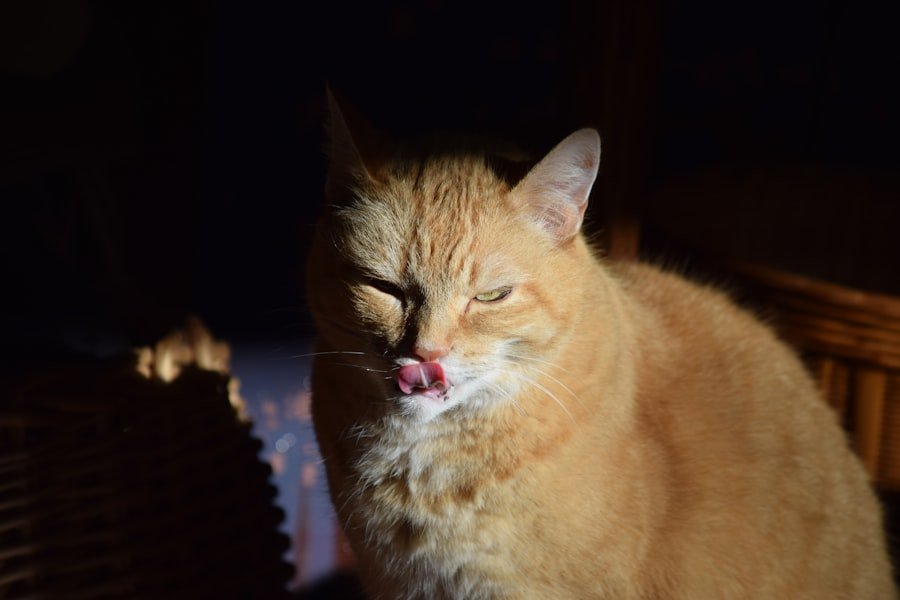
Your cat’s natural instincts also play a crucial role in their nighttime behavior. As descendants of wild hunters, cats are wired to be active during twilight hours when their prey is most active. This instinctual drive can lead to increased vocalization as they express their hunting behaviors even within the confines of your home.
Understanding this natural inclination can help you appreciate why your cat may be more vocal during these hours. To accommodate these instincts while minimizing disruption to your sleep, consider adjusting your cat’s schedule slightly. Engaging them in play sessions during the evening can help channel their energy into productive activities before bedtime.
Additionally, providing toys that mimic hunting behaviors—such as feather toys or interactive laser pointers—can satisfy their predatory instincts while keeping them entertained and less likely to vocalize excessively at night.
Discussing potential solutions and strategies for managing your cat’s nighttime meowing
Managing your cat’s nighttime meowing requires a combination of understanding their needs and implementing effective strategies. One approach is to establish a consistent bedtime routine for both you and your cat. This routine could involve winding down together with quiet activities such as gentle petting or brushing before settling down for the night.
By creating a calming atmosphere, you signal to your cat that it’s time to relax. Another effective strategy is to ensure that your cat has ample opportunities for exercise and mental stimulation throughout the day. Interactive play sessions using toys that encourage movement can help tire them out before bedtime.
Additionally, consider providing puzzle feeders filled with treats or kibble that require problem-solving skills to access. This not only keeps them engaged but also helps expend energy that might otherwise contribute to nighttime vocalizations.
Seeking professional help for persistent and excessive nighttime meowing in your cat
If you’ve tried various strategies and your cat’s nighttime meowing persists or worsens, it may be time to seek professional help. A veterinarian can assess whether there are any underlying health issues contributing to the behavior and provide tailored advice based on your specific situation. They may recommend behavioral therapies or even refer you to a feline behaviorist who specializes in addressing vocalization issues.
In some cases, medication may be necessary to manage anxiety or other underlying conditions affecting your cat’s behavior. Your vet will work with you to determine the best course of action based on your cat’s individual needs and circumstances. Remember that addressing excessive nighttime meowing is not just about finding a quick fix; it’s about ensuring the overall well-being of your beloved feline companion while maintaining harmony in your home.
By understanding the various factors contributing to your cat’s nighttime meowing—from health issues and boredom to anxiety and natural instincts—you can take proactive steps toward creating a peaceful environment for both you and your pet. With patience and dedication, you can help reduce those late-night serenades and foster a happier home for everyone involved.