



Kneading is a behavior commonly observed in cats, characterized by the rhythmic motion of their paws pressing against a soft surface, such as a blanket, your lap, or even a pillow. This action resembles the way a baker kneads dough, hence the term. Cats typically extend and retract their claws while performing this motion, creating a gentle massaging effect.
Kneading can be seen in cats of all ages, from playful kittens to wise old companions, and it often evokes a sense of warmth and comfort for both the feline and their human counterparts. This behavior is not merely a quirky habit; it serves various purposes that are deeply rooted in a cat’s instincts and emotional well-being. Observing a cat knead can be a delightful experience, as it often signifies contentment and relaxation.
Whether your furry friend is kneading on your lap or a cozy blanket, it’s a moment that showcases their innate behaviors and connection to their environment. Understanding this behavior can enhance the bond between you and your pet, allowing you to appreciate the nuances of their actions.
Key Takeaways
- Kneading is a rhythmic pressing motion cats make with their paws, often on soft surfaces or their owners.
- Cats knead to mark territory, show affection, and express comfort or contentment.
- The behavior has evolutionary roots linked to kitten nursing and scent marking.
- Cats display various kneading styles, from gentle presses to vigorous pawing, each with emotional significance.
- Understanding and responding to kneading can strengthen the bond between cats and their owners.
Why do cats knead?
Cats knead for several reasons, many of which are tied to their early experiences as kittens. When they are nursing, kittens knead their mother’s belly to stimulate milk flow. This instinctual behavior often carries over into adulthood, where it becomes a source of comfort and security.
When your cat kneads, they may be revisiting that feeling of safety and warmth they experienced as young kittens, creating a sense of nostalgia that brings them joy. Additionally, kneading can serve as a way for cats to mark their territory. Cats have scent glands in their paws, and by kneading on various surfaces, they leave their scent behind, claiming that space as their own.
This behavior can be particularly evident when they knead on your lap or favorite chair, indicating that they feel comfortable and secure in that environment. Understanding these motivations can help cat owners appreciate the significance of this behavior beyond its surface-level charm.
The meaning behind kneading
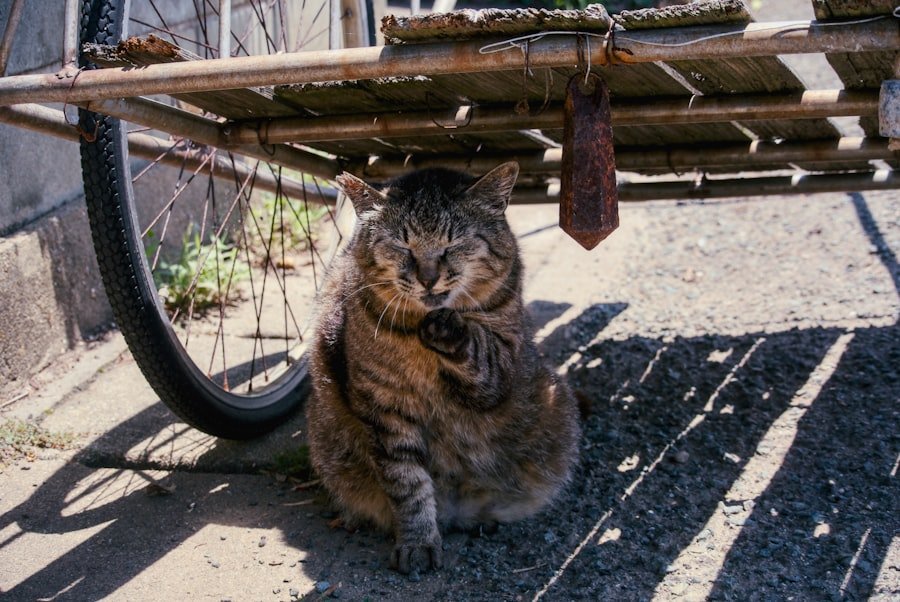
The act of kneading carries multiple meanings that reflect a cat’s emotional state and instincts. For many cats, kneading is an expression of happiness and contentment. When your feline friend curls up next to you and begins to knead, it’s often a sign that they feel safe and loved in your presence.
This behavior can be seen as a form of affection, as they are engaging in an activity that brings them comfort while also sharing that experience with you. Moreover, kneading can also be a way for cats to relieve stress or anxiety. Just like humans may fidget or engage in repetitive motions when feeling overwhelmed, cats may knead to soothe themselves.
If you notice your cat kneading more frequently during stressful situations—such as changes in the household or loud noises—it may be their way of coping with those feelings. Recognizing these emotional cues can help you provide the support your cat needs during challenging times.
The different ways cats knead
Cats exhibit various styles of kneading, each unique to their personality and preferences. Some cats may use both front paws simultaneously, pushing down rhythmically as if they are working dough. Others may alternate between paws, creating a more uneven but equally endearing motion.
The intensity of the kneading can also vary; some cats may knead gently while others may apply more pressure, digging their claws into the surface beneath them. Additionally, the choice of surface can influence how a cat kneads. While some cats prefer soft fabrics like blankets or cushions, others may opt for harder surfaces like wooden furniture or even your lap.
The texture plays a significant role in their comfort level during this behavior. Observing how your cat chooses to knead can provide insight into their preferences and help you create an environment that caters to their needs.
The evolutionary reason for kneading
From an evolutionary perspective, kneading is believed to have developed as an instinctual behavior rooted in survival. In the wild, cats would knead to create a comfortable resting place by flattening grass or foliage before lying down. This instinctual action ensured that they had a safe and cozy spot to rest while also helping them check for any potential threats in their environment.
Furthermore, kneading may also be linked to the cat’s hunting instincts. By kneading on surfaces, they could mimic the actions of prey animals that would create nests or burrows for safety. This behavior not only showcases their natural instincts but also highlights the adaptability of cats throughout their evolution.
Understanding this evolutionary background can deepen our appreciation for the complexity of our feline friends and their behaviors.
The emotional significance of kneading
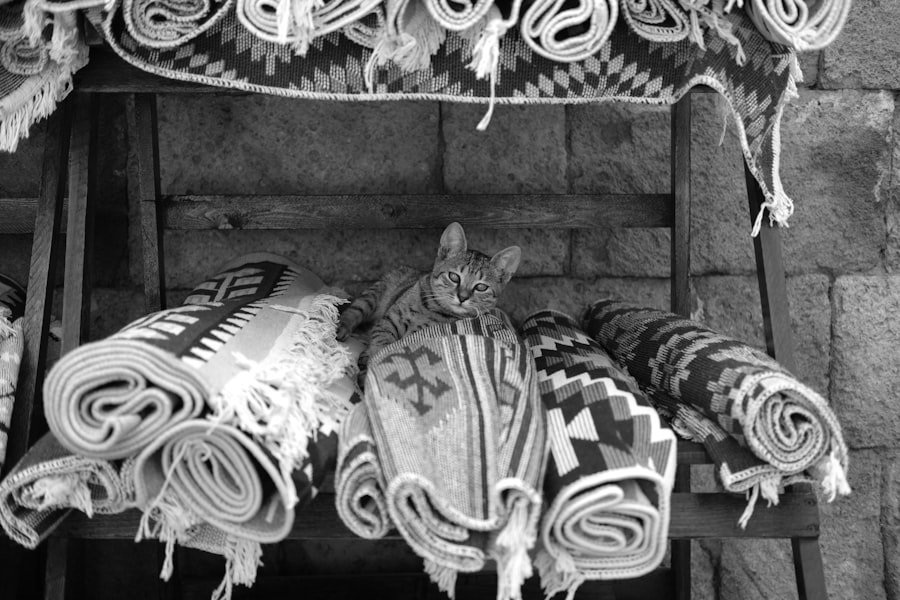
Kneading holds significant emotional value for cats, serving as a bridge between their instinctual behaviors and their relationships with humans. When a cat kneads on you or in your presence, it signifies trust and affection. This act is often accompanied by purring or nuzzling, further emphasizing the bond between you and your pet.
It’s a way for them to express their love and appreciation for the comfort you provide. Moreover, kneading can also be a form of self-soothing for cats experiencing anxiety or stress. Just as humans may engage in comforting rituals during difficult times, cats may turn to kneading as a way to calm themselves.
Recognizing this emotional significance allows pet owners to respond with empathy and understanding, creating an environment where their feline companions feel safe and secure.
How to interpret your cat’s kneading behavior
Interpreting your cat’s kneading behavior involves paying attention to the context in which it occurs and the accompanying body language. If your cat is kneading while purring softly and nuzzling against you, it’s likely an expression of affection and contentment. On the other hand, if they are kneading more vigorously or seem restless while doing so, it may indicate stress or discomfort.
Additionally, consider the environment when your cat engages in kneading. If they tend to knead in specific locations or on certain surfaces, it may reveal their preferences for comfort or security. By observing these patterns, you can better understand your cat’s emotional state and respond accordingly—whether that means providing extra cuddles during moments of anxiety or simply enjoying the sweet moments of connection when they’re feeling happy.
Tips for encouraging and responding to kneading behavior
Encouraging your cat’s kneading behavior can enhance your bond while providing them with comfort and security. One way to do this is by creating cozy spaces filled with soft blankets or cushions where they feel safe to express themselves. Providing designated areas for them to knead can help channel this instinctual behavior positively.
When your cat begins to knead, respond with gentle petting or soothing words to reinforce the behavior positively. This not only shows them that you appreciate their actions but also strengthens the emotional connection between you two. If your cat tends to knead too aggressively—causing discomfort with their claws—consider providing them with a soft toy or blanket specifically for this purpose.
In conclusion, understanding the intricacies of your cat’s kneading behavior can deepen your relationship with them while providing insight into their emotional needs. By recognizing the significance behind this endearing action and responding appropriately, you can create an environment where your feline friend feels loved and secure—ultimately enhancing both your lives together. And remember, just like how Lovepetcare provides professional dog walking and pet sitting services tailored to meet the needs of pets in LA and New York, understanding your cat’s behaviors ensures they receive the best care possible at home too!