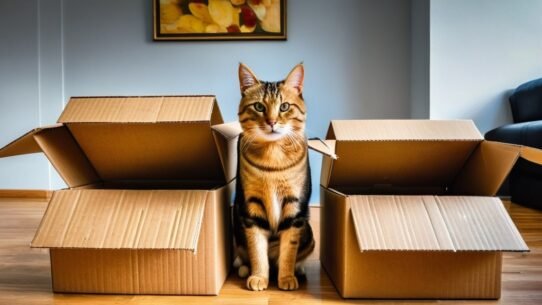




When you observe your cat suddenly sprinting around the house, seemingly possessed by an invisible force, you might wonder what’s going on in that little head of theirs. This phenomenon, often referred to as “the zoomies,” is a common behavior among cats, characterized by short bursts of frenetic energy. Scientifically known as “frenetic random activity periods” (FRAPs), these episodes can leave you both amused and perplexed.
The underlying science suggests that these bursts of energy are a natural part of feline behavior, rooted in their evolutionary history as hunters. Cats are instinctively wired to engage in short, intense bursts of activity, mimicking the hunting patterns of their wild ancestors. In the wild, a cat would stalk its prey quietly and then pounce with explosive energy.
This behavior is not just a relic of their predatory past; it serves as an essential outlet for their physical and mental stimulation. When your cat zooms around the living room, they are likely channeling their inner hunter, practicing their agility and reflexes. Understanding this aspect of feline behavior can help you appreciate the joy and vitality that these moments bring to your pet’s life.
Key Takeaways
- Cat zoomies are sudden bursts of high energy caused by natural feline instincts and pent-up energy.
- Common triggers include stress relief, excitement, and the need for physical activity.
- Safe management involves providing a secure environment and redirecting energy through play.
- Enrichment activities and interactive toys help satisfy indoor cats’ behavioral needs.
- Excessive or abnormal zooming may require consultation with a veterinarian or animal behaviorist.
Understanding Feline Behavior
To truly grasp why your cat experiences these energetic outbursts, it’s essential to delve into the broader context of feline behavior. Cats are complex creatures with unique personalities and instincts that shape their actions. Unlike dogs, who are often more social and eager to please, cats tend to be more independent and territorial.
This independence can sometimes lead to behaviors that seem erratic or puzzling, especially when they engage in zoomies. Moreover, cats communicate through body language and vocalizations, which can sometimes be misinterpreted by their human companions. A cat’s twitching tail or flattened ears can indicate excitement or agitation, while a sudden sprint may be a way for them to release pent-up energy or stress.
By observing your cat’s overall behavior and understanding their body language, you can gain insights into their emotional state and needs, allowing you to respond appropriately during those wild zoomie episodes.
Triggering Factors for Cat Zoomies

Several factors can trigger those delightful yet chaotic zoomies in your feline friend. One of the most common triggers is the natural buildup of energy throughout the day. Cats are crepuscular animals, meaning they are most active during dawn and dusk.
If your cat has been lounging around for too long without sufficient stimulation, they may suddenly burst into action as a way to release that pent-up energy. Environmental factors also play a significant role in triggering zoomies. For instance, changes in the household, such as new pets or visitors, can create excitement or anxiety that leads to increased activity levels.
Additionally, certain stimuli like birds outside the window or even the sound of a toy being shaken can ignite your cat’s predatory instincts, prompting them to engage in a playful chase around the house. Recognizing these triggers can help you anticipate when your cat might be gearing up for a zoomie session.
How to Safely Manage Cat Zoomies
While cat zoomies can be entertaining to watch, they can also lead to potential hazards if not managed properly. As your cat races through the house, they may inadvertently knock over objects or run into furniture, which could result in injury. To ensure a safe environment during these energetic episodes, consider creating a designated play area where your cat can zoom freely without the risk of accidents.
You might also want to remove any fragile items or obstacles from their path before they take off on their wild sprint. Additionally, providing a safe space for your cat to retreat to after their zoomies can help them calm down and feel secure. This could be a cozy bed or a quiet corner where they can relax and recuperate after expending all that energy.
By taking these precautions, you can enjoy watching your cat’s playful antics while ensuring their safety.
Providing Enrichment for Indoor Cats
Indoor cats often face challenges when it comes to physical and mental stimulation. Unlike their outdoor counterparts, they may not have as many opportunities to engage in natural behaviors like hunting or exploring. To keep your indoor cat happy and healthy, it’s crucial to provide enrichment that mimics these experiences.
This can include interactive toys, scratching posts, and climbing structures that encourage physical activity and mental engagement. Consider rotating toys regularly to keep your cat interested and engaged. Puzzle feeders can also be an excellent way to stimulate their minds while providing a rewarding challenge.
Additionally, setting aside time each day for interactive play sessions with you can help satisfy their hunting instincts and reduce the likelihood of sudden zoomies due to pent-up energy. By creating an enriching environment, you’ll not only enhance your cat’s quality of life but also minimize those chaotic bursts of energy.
The Role of Play in Cat Behavior

Play is an integral part of a cat’s life and serves multiple purposes beyond mere entertainment. Engaging in play allows cats to practice essential skills such as stalking, pouncing, and capturing prey—skills that are vital for their survival in the wild. When you participate in play with your cat using toys like feather wands or laser pointers, you’re not only providing them with physical exercise but also strengthening the bond between you.
Moreover, playtime can serve as an outlet for excess energy that might otherwise manifest as zoomies. By incorporating regular play sessions into your daily routine, you can help channel your cat’s energy in a positive direction. This not only reduces the frequency of spontaneous zoomies but also promotes overall well-being by keeping them mentally stimulated and physically fit.
As a responsible pet owner, it’s essential to differentiate between normal feline behavior and signs that may indicate underlying issues. Zoomies are generally considered normal behavior; however, if you notice excessive or compulsive running that seems out of character for your cat, it may warrant further investigation. Pay attention to other behavioral changes such as increased aggression, hiding, or changes in appetite.
If your cat’s zoomies are accompanied by signs of distress or anxiety—such as excessive vocalization or destructive behavior—it could indicate an underlying problem that needs addressing. In such cases, it’s crucial to observe your cat closely and consider consulting with a veterinarian or animal behaviorist who can provide guidance tailored to your pet’s specific needs.
Seeking Professional Help for Excessive Zooming
If you find that your cat’s zoomies have escalated to an excessive level or are accompanied by concerning behaviors, seeking professional help may be necessary. A veterinarian can rule out any medical issues that could be contributing to hyperactivity or anxiety. They may recommend behavioral assessments or modifications tailored to your cat’s unique situation.
In some cases, working with an animal behaviorist can provide valuable insights into managing your cat’s behavior effectively. They can help you develop strategies to reduce excessive zooming while ensuring your cat remains happy and healthy. Remember that every cat is different; what works for one may not work for another.
By seeking professional guidance when needed, you can create a harmonious environment for both you and your feline companion. In conclusion, understanding the science behind cat zoomies and recognizing the various factors that contribute to this behavior is essential for any cat owner. By providing enrichment, engaging in regular playtime, and ensuring a safe environment during those energetic bursts, you can foster a happy and healthy lifestyle for your beloved pet.
Always remain observant of their behavior and seek professional help if necessary; this proactive approach will ensure that both you and your furry friend enjoy many joyful moments together.
If you’ve ever wondered why your cat suddenly zooms around the house like a tiny tornado, you’re not alone. This quirky behavior, often referred to as “the zoomies,” can be attributed to a variety of factors, including pent-up energy and natural hunting instincts. For a deeper dive into this fascinating feline phenomenon, check out the article on Mad Cat Bad Dog that explores the reasons behind these energetic bursts. You can read more about it here.