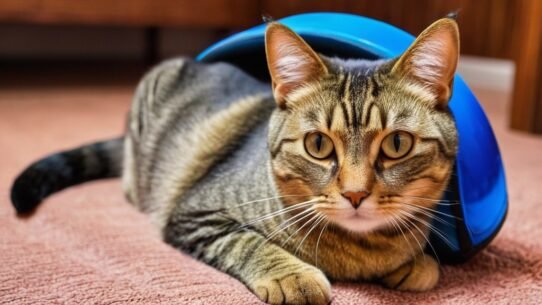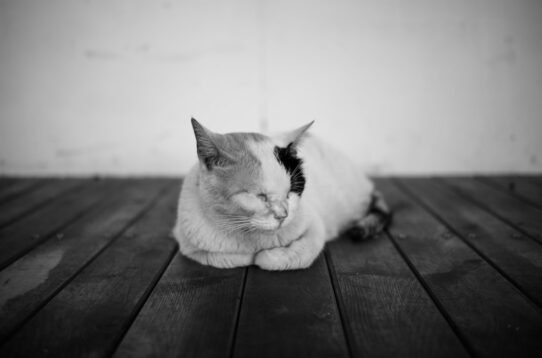




When you observe your cat nestled in the loaf position, with their paws tucked neatly beneath their body, it’s a clear indication of their comfort and confidence in their environment. This position is often seen when your feline friend feels safe and secure, allowing them to relax without the need for constant vigilance. You might notice that your cat adopts this posture in familiar settings, such as on your lap or in their favorite sunny spot by the window.
The loaf position is not just a cute sight; it’s a reflection of your cat’s mental state, showcasing their contentment and trust in their surroundings. Moreover, the loaf position can also signify a certain level of playfulness. When your cat is feeling particularly confident, they may choose to rest in this way before springing into action for a playful chase or a sudden pounce on a toy.
This duality of relaxation and readiness is fascinating, as it highlights your cat’s ability to balance comfort with alertness. If you find your cat loafing around frequently, it’s a good sign that they feel at home and are enjoying their time with you.
Key Takeaways
- The loaf position indicates a cat’s confidence and comfort in its environment.
- Curling up while sleeping shows a cat’s desire for security and warmth.
- Sleeping belly-up reflects a cat’s trust and vulnerability with its surroundings.
- Sprawled out positions reveal a cat’s relaxed and laid-back personality.
- Choosing elevated sleeping spots highlights a cat’s territorial instincts.
The Curled-Up Position: How this sleeping position reflects your cat’s need for security and warmth
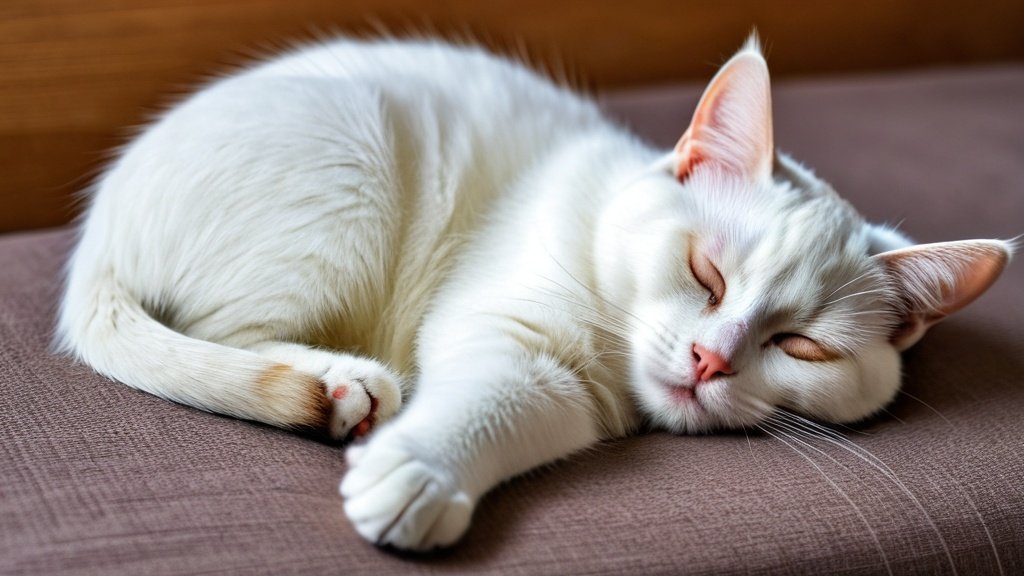
When you see your cat curled up tightly, resembling a fluffy ball, it’s more than just an adorable sight; it speaks volumes about their need for security and warmth. In this position, your cat instinctively protects their vital organs while conserving body heat, which is especially important for their overall well-being. You might notice that they gravitate towards this posture during colder months or when they feel anxious.
This behavior is deeply rooted in their instincts, harking back to their wild ancestors who would curl up to shield themselves from predators and harsh weather. Additionally, the curled-up position can also indicate that your cat is seeking comfort from you or their environment. When they choose to sleep this way near you, it’s a sign that they trust you and feel safe in your presence.
You may find that your cat prefers this position when they are in a cozy nook or snuggled up in a blanket, further emphasizing their desire for warmth and security. By providing them with a safe space, you are nurturing their instinctual need for protection, allowing them to rest easy and recharge.
The Belly-Up Position: Understanding your cat’s trust and vulnerability through their sleeping habits
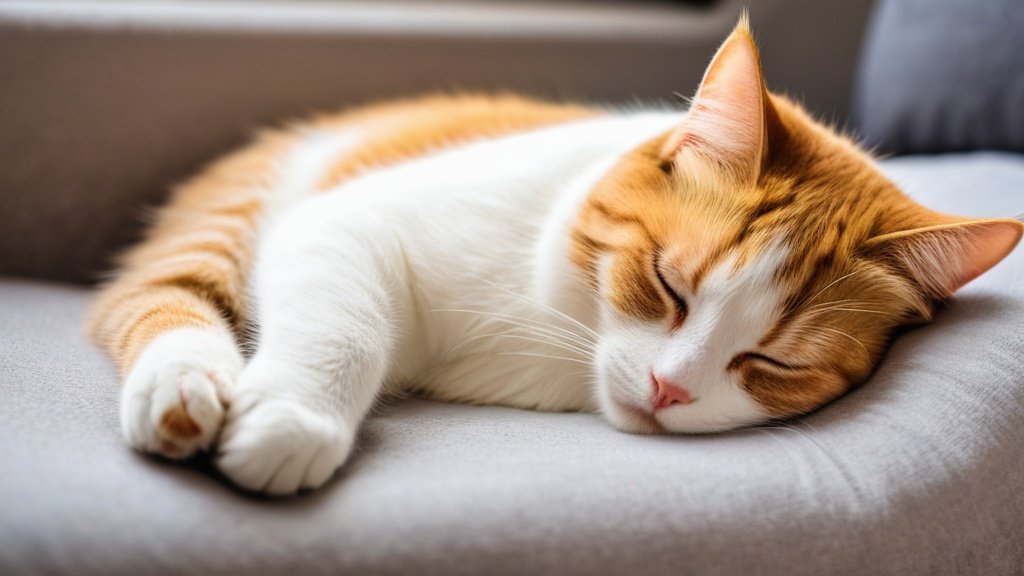
The belly-up position is one of the most vulnerable postures a cat can adopt while sleeping. When your feline friend exposes their belly to you, it’s a clear sign of trust and affection. This position indicates that they feel completely safe in their environment, as exposing their underbelly leaves them open to potential threats.
You should take this as a compliment; your cat is showing you that they trust you implicitly. It’s a rare sight that not all cats will display, making it even more special when you witness it. However, while this position signifies trust, it can also be a signal for you to approach with caution.
Some cats may enjoy belly rubs while others may see this as an invitation to playfully defend themselves. Understanding your cat’s individual personality is key here; if they seem relaxed and content while lying belly-up, it’s likely a good time to engage with them gently. This position not only highlights your cat’s vulnerability but also reinforces the bond you share, as they feel comfortable enough to let their guard down around you.
The Sprawled Out Position: What this relaxed sleeping position reveals about your cat’s laid-back personality
When your cat sprawls out across the floor or on a piece of furniture, it’s a clear indication of their relaxed demeanor and laid-back personality. This position allows them to stretch out fully, showcasing their comfort and lack of concern for potential threats. You might find them lounging in this manner during warm afternoons or after an energetic play session, signaling that they are at ease and ready to enjoy some downtime.
The sprawled-out position is often associated with cats who have a calm temperament and are confident in their surroundings. Additionally, this sleeping posture can also reflect your cat’s playful side. When they feel secure enough to let loose and stretch out, it often means they are ready for some fun once they wake up.
You may notice that after a good nap in this position, they spring into action with renewed energy, ready to chase after toys or engage in playful antics. By observing your cat’s sprawled-out moments, you gain insight into their personality—one that embraces relaxation while still being open to spontaneous play.
The Perch Position: How your cat’s preference for elevated sleeping spots reflects their territorial nature
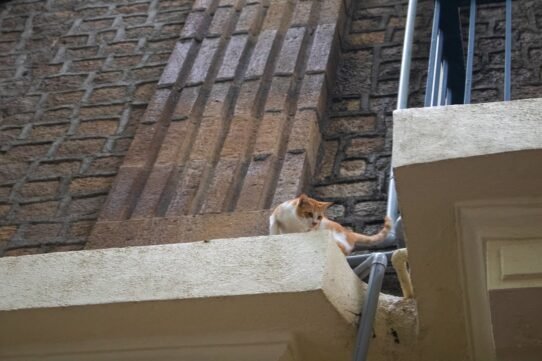
Cats are natural climbers and often prefer elevated sleeping spots where they can survey their territory from above. When you find your feline friend perched on a high shelf or the back of the couch, it’s not just about finding a comfortable place to nap; it’s about asserting their dominance over their environment. This behavior stems from their instinctual need to observe potential threats and prey from a safe vantage point.
By choosing elevated spots, your cat feels empowered and in control of their surroundings. Moreover, the perch position also highlights your cat’s territorial nature. By claiming high ground, they establish ownership over that space, signaling to other pets or animals that this area is theirs.
You may notice that when new visitors come into your home or when another pet approaches, your cat will often retreat to their favorite perch to keep an eye on the situation. This behavior reinforces their sense of security while allowing them to maintain a watchful presence over their domain.
The Back-to-Back Position: Exploring the social and bonding aspects of your cat’s sleeping habits
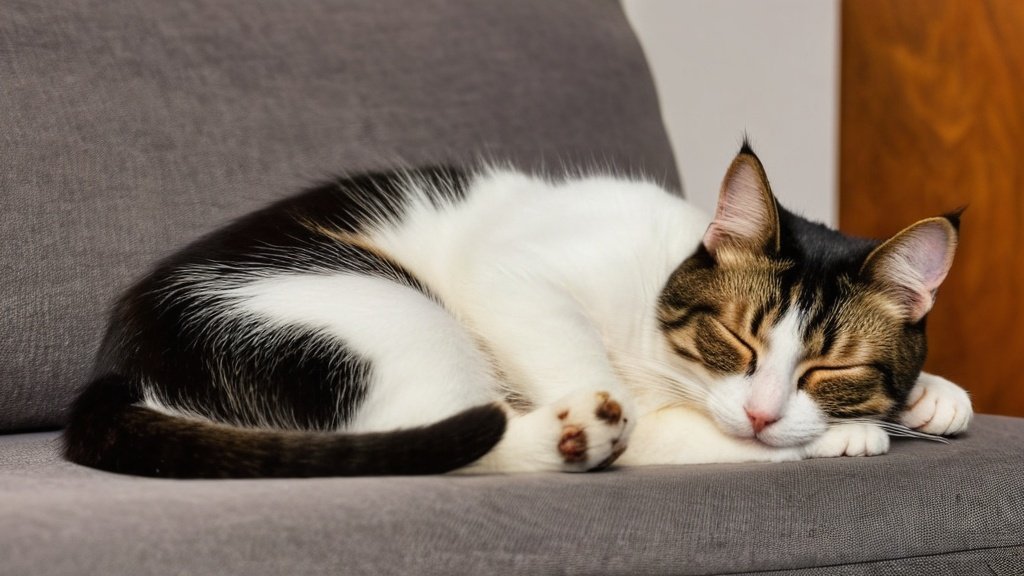
When you see two cats curled up back-to-back or even snuggled together while sleeping, it’s a beautiful display of social bonding and companionship. This position signifies trust and comfort between the cats involved, as they rely on each other for warmth and security during rest. If you have multiple cats in your home, witnessing this behavior can be heartwarming; it shows that they have formed strong social connections with one another.
In addition to fostering bonds between cats, the back-to-back position can also reflect the dynamics of their relationship with you. If your cat chooses to sleep close to you while maintaining this posture, it indicates that they feel secure in your presence and enjoy being near you. This closeness not only strengthens the bond between you but also provides both parties with a sense of comfort and safety during sleep.
The Hidden or Covered Position: Uncovering your cat’s need for privacy and protection while sleeping
Cats are known for their love of cozy hiding spots, and when you find yours tucked away in a box or under a blanket, it reveals their instinctual need for privacy and protection while sleeping. This behavior stems from their wild ancestry when finding concealed spaces was essential for avoiding predators and ensuring safety during rest periods. By seeking out hidden or covered positions, your cat is tapping into these instincts, creating a secure environment where they can relax without fear.
Furthermore, the hidden position can also indicate that your cat is feeling overwhelmed or stressed by external stimuli. If there are loud noises or unfamiliar visitors in the house, you might notice them retreating to a more secluded area for comfort. Providing them with safe spaces where they can hide away when needed is crucial for their well-being.
By respecting their need for privacy, you help create an environment where they feel secure enough to emerge when they’re ready.
The Paws Over Eyes Position: Understanding your cat’s sensitivity and need for darkness while resting
When you catch sight of your cat resting with their paws draped over their eyes, it’s an endearing reminder of their sensitivity and need for darkness while sleeping. This position allows them to block out light and create a more serene environment conducive to rest. Cats are naturally crepuscular creatures, meaning they are most active during dawn and dusk; therefore, they often seek out dark spaces during the day to recharge.
Additionally, this posture can also indicate that your cat is feeling particularly vulnerable or sensitive at that moment. By covering their eyes with their paws, they create a barrier between themselves and the outside world, allowing them to feel more secure while resting. If you notice this behavior frequently, consider providing them with darker areas or cozy blankets where they can retreat when they need some peace and quiet.
Understanding this aspect of your cat’s sleeping habits helps you cater to their needs better while strengthening the bond between you both.
Understanding your cat’s sleeping positions can provide fascinating insights into their personality. For instance, a cat that curls up tightly may be feeling insecure or cold, while one that sprawls out might be more confident and relaxed. If you’re interested in exploring more about feline behavior and personality traits, check out this related article on Mad Cat Bad Dog.