



As a cat owner, you may find yourself facing a myriad of challenges when it comes to your feline friend’s health. One of the more perplexing issues is food allergies, which can manifest in various ways and significantly impact your cat’s quality of life. Cat food allergies occur when your pet’s immune system mistakenly identifies certain proteins or ingredients in their diet as harmful.
This misidentification triggers an immune response, leading to a range of uncomfortable symptoms. Understanding the nature of these allergies is crucial for ensuring your cat remains healthy and happy. Food allergies in cats can develop at any age, although they are more commonly seen in young adult cats.
The condition can be frustrating for both you and your pet, as it often requires careful observation and management. You may notice that your cat exhibits signs of discomfort or distress after eating certain foods, prompting you to investigate further. By familiarizing yourself with the symptoms, common allergens, and treatment options, you can take proactive steps to help your furry companion thrive.
Key Takeaways
- Cat food allergies can cause various symptoms including itching, digestive issues, and skin problems.
- Common allergens in cat food include beef, dairy, fish, and chicken.
- Diagnosis often involves elimination diets and veterinary testing to identify specific allergens.
- Treatment focuses on avoiding allergens and may include special hypoallergenic diets.
- Preventing allergies involves careful ingredient selection and considering alternative diets for sensitive cats.
Symptoms of Cat Food Allergies
Recognizing the symptoms of food allergies in cats is essential for timely intervention. You might observe that your cat experiences gastrointestinal issues such as vomiting or diarrhea after consuming specific foods. These symptoms can be distressing not only for your pet but also for you as their caregiver.
Additionally, you may notice changes in your cat’s skin, including excessive itching, redness, or the development of rashes. These dermatological reactions can lead to further complications if left untreated, making it vital to address them promptly. In some cases, food allergies can also manifest as respiratory issues, such as sneezing or coughing.
While these symptoms may not be as common, they can still indicate an allergic reaction. You might find that your cat becomes more irritable or withdrawn due to the discomfort caused by these allergies. Observing these signs closely will help you determine whether a visit to the veterinarian is necessary.
By being vigilant and proactive, you can ensure that your cat receives the appropriate care and treatment.
Common Allergens in Cat Food
When it comes to cat food allergies, certain ingredients are more likely to trigger reactions than others. Proteins are often the primary culprits, with common allergens including chicken, beef, fish, and dairy products. If your cat has developed an allergy to one of these proteins, you may need to eliminate them from their diet entirely.
Grains such as wheat and corn can also cause allergic reactions in some cats, although they are less common than protein-related allergies. It’s important to note that food allergies can develop over time; a protein that was once well-tolerated may suddenly become problematic. This unpredictability can make it challenging for you to pinpoint the exact cause of your cat’s discomfort.
Additionally, some cats may have multiple food allergies, complicating the dietary management process even further. By understanding which ingredients are most likely to cause issues, you can make informed decisions about your cat’s diet and help minimize their risk of allergic reactions.
Diagnosing Cat Food Allergies
| Metric | Description | Typical Values/Range | Notes |
|---|---|---|---|
| Symptom Onset Time | Time from introduction of new food to appearance of allergy symptoms | Days to weeks | Varies; often delayed hypersensitivity reactions |
| Common Symptoms | Signs indicating possible food allergy | Itching, skin redness, hair loss, vomiting, diarrhea | Symptoms often chronic and recurrent |
| Elimination Diet Duration | Length of time cat is fed hypoallergenic diet to test for allergy | 8 to 12 weeks | Essential for accurate diagnosis |
| Rechallenge Period | Time after elimination diet when original food is reintroduced | 1 to 2 weeks | Monitors return of symptoms to confirm allergy |
| Diagnostic Tests | Tests used to support diagnosis | Skin testing, serum IgE testing (limited reliability) | Not definitive; elimination diet is gold standard |
| Response Rate to Elimination Diet | Percentage of cats showing symptom improvement | 70% to 90% | Indicates high effectiveness of diet trial |
| Common Allergens | Typical food ingredients causing allergies | Beef, dairy, fish, chicken, wheat | Varies by individual cat |
Diagnosing food allergies in cats is not always straightforward and often requires a systematic approach. Your veterinarian will likely begin with a thorough examination of your cat’s medical history and symptoms. They may ask you detailed questions about your cat’s diet, lifestyle, and any changes you’ve noticed in their behavior or health.
This information will help them narrow down potential allergens and determine the best course of action. One common method for diagnosing food allergies is an elimination diet trial. During this process, you will feed your cat a limited ingredient diet that contains novel proteins and carbohydrates that they have never been exposed to before.
This trial typically lasts for several weeks and allows you to monitor your cat’s response to the new diet. If symptoms improve during this period, it may indicate that one or more ingredients in their previous diet were causing the allergic reaction. Once the elimination phase is complete, you can gradually reintroduce previous foods one at a time to identify specific allergens.
Treating Cat Food Allergies
Once you’ve identified the allergens affecting your cat, treatment primarily involves dietary management. This means eliminating the offending ingredients from their diet entirely. You may need to invest time in reading labels and selecting high-quality cat foods that cater specifically to food sensitivities or allergies.
In some cases, your veterinarian may recommend prescription diets formulated for cats with food allergies, which can provide a safe alternative while ensuring your pet receives balanced nutrition. In addition to dietary changes, your veterinarian may suggest other treatments to alleviate symptoms associated with food allergies. For instance, antihistamines or corticosteroids may be prescribed to help manage itching and inflammation.
However, these medications should only be used under veterinary supervision, as they can have side effects if not administered correctly. Regular follow-ups with your veterinarian will be essential to monitor your cat’s progress and make any necessary adjustments to their treatment plan.
Prevention of Cat Food Allergies
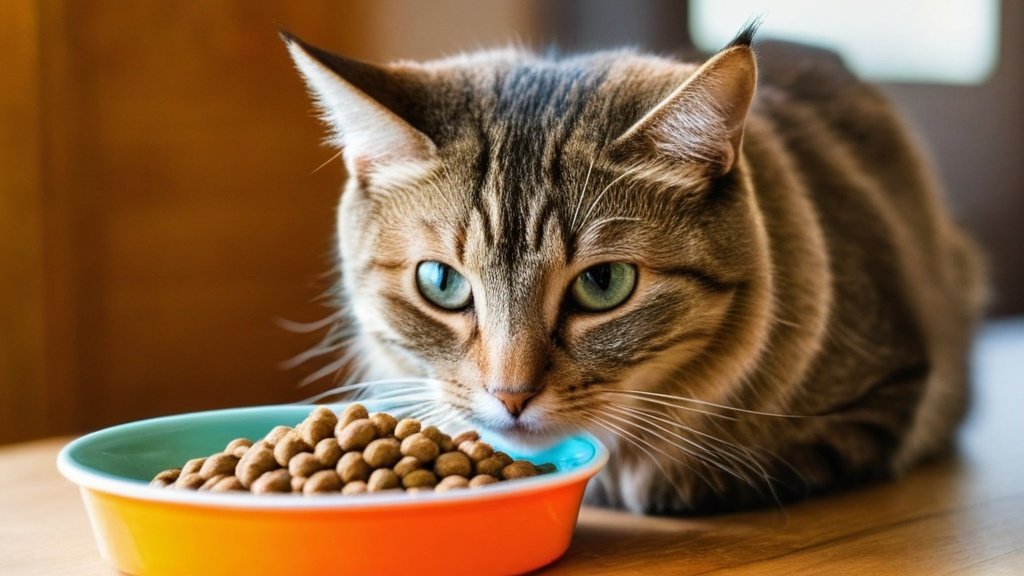
While it may not be possible to prevent food allergies entirely, there are steps you can take to reduce the risk of developing them in your cat. One effective strategy is to introduce new foods gradually rather than making sudden changes to their diet. This approach allows your cat’s digestive system to adjust and helps you identify any potential allergens early on.
Additionally, providing a varied diet with different protein sources can help minimize the likelihood of developing sensitivities. Another preventive measure involves being cautious about feeding your cat table scraps or human food. Many human foods contain ingredients that could trigger allergic reactions in cats, so it’s best to stick with high-quality commercial cat food formulated specifically for their nutritional needs.
Regular veterinary check-ups will also play a crucial role in monitoring your cat’s health and catching any potential issues before they escalate.
Alternative Diets for Cats with Food Allergies
For cats diagnosed with food allergies, alternative diets can provide a safe and nutritious option while avoiding allergens. Limited ingredient diets are specifically designed for pets with sensitivities and typically contain fewer components than standard cat foods. These diets often feature novel protein sources such as duck or venison that are less likely to cause allergic reactions.
Another option is a homemade diet tailored to your cat’s specific needs. If you choose this route, it’s essential to work closely with a veterinarian or a pet nutritionist to ensure that your homemade meals are balanced and meet all of your cat’s nutritional requirements. While preparing homemade meals can be time-consuming, it allows you greater control over what goes into your cat’s food and can help avoid allergens effectively.
Conclusion and Further Resources
In conclusion, understanding cat food allergies is vital for ensuring the well-being of your feline companion. By recognizing symptoms early on and working closely with your veterinarian, you can identify allergens and implement effective treatment strategies. While managing food allergies may require some effort on your part—such as monitoring diets and making necessary adjustments—the reward of seeing your cat healthy and happy is well worth it.
For further resources on managing cat food allergies, consider consulting reputable veterinary websites or seeking guidance from pet nutritionists who specialize in feline health. Books on pet care and nutrition can also provide valuable insights into creating a balanced diet for cats with food sensitivities. Remember that you’re not alone in this journey; many other pet owners face similar challenges, and support networks exist where you can share experiences and advice.
By staying informed and proactive, you can help ensure that your beloved cat enjoys a long and healthy life free from the discomfort of food allergies.