




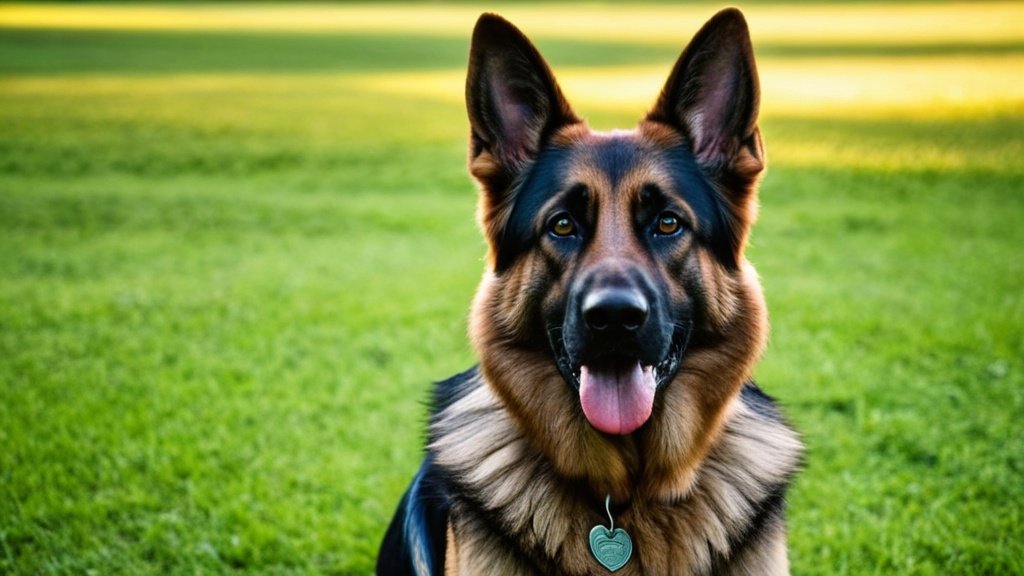
The German Shepherd is a breed that has captured the hearts of dog lovers around the world. Known for their intelligence, loyalty, and versatility, these dogs have become one of the most popular breeds in both the United States and Europe. Originally bred in Germany for herding sheep, German Shepherds have evolved into multi-talented working dogs, excelling in various roles such as police, military, and search-and-rescue operations.
Their strong work ethic and eagerness to please make them ideal companions for active families and individuals alike. One of the defining characteristics of the German Shepherd is their striking appearance. With a well-proportioned body, erect ears, and a bushy tail, they exude an aura of strength and confidence.
However, their physical attributes are only part of what makes them special. German Shepherds are known for their high intelligence, which allows them to learn commands quickly and adapt to new situations with ease. This intelligence, combined with their natural protective instincts, makes them exceptional guardians for homes and families.
Understanding these traits is crucial for anyone considering bringing a German Shepherd into their lives, as it sets the foundation for effective training and socialization.
Key Takeaways
- German Shepherds are intelligent and versatile, requiring consistent training from an early age.
- Basic training focuses on obedience commands, socialization, and establishing routines.
- Advanced training includes specialized skills like protection, search and rescue, and agility.
- Addressing behavioral issues early helps prevent problems such as aggression or anxiety.
- Service and therapy training harnesses their natural abilities to assist people with disabilities.
Basic Training Techniques for German Shepherds
When it comes to training a German Shepherd, starting with basic commands is essential. These foundational skills not only establish a communication channel between you and your dog but also help build a strong bond based on trust and respect. Commands such as “sit,” “stay,” “come,” and “down” are fundamental for any dog, but they hold particular significance for German Shepherds due to their intelligence and eagerness to learn.
Using positive reinforcement techniques—such as treats, praise, or playtime—can significantly enhance the training experience. This method encourages your dog to associate good behavior with rewards, making them more likely to repeat those behaviors in the future. Consistency is key when training a German Shepherd.
Establishing a routine helps your dog understand what is expected of them. For instance, practicing commands in short, frequent sessions can be more effective than long, infrequent training periods. Additionally, incorporating training into daily activities—like asking your dog to sit before meals or stay while you open the door—can reinforce their learning in real-life situations.
Remember that patience is vital; every dog learns at their own pace, and celebrating small victories can keep both you and your German Shepherd motivated.
Advanced Training for German Shepherds
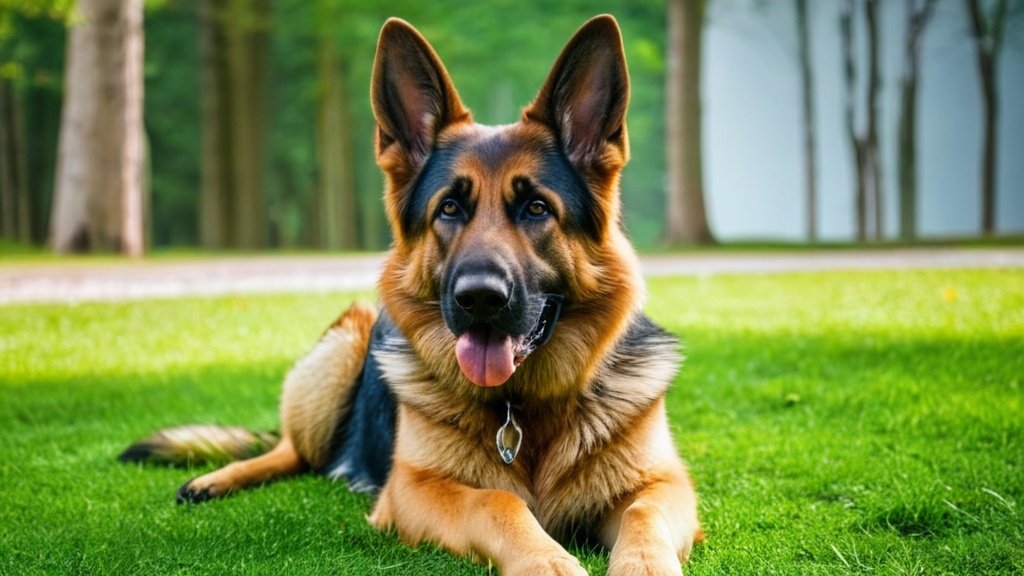
Once your German Shepherd has mastered basic commands, you can begin to explore advanced training techniques that challenge their intellect and physical abilities. Advanced training can include complex commands, tricks, or even specialized skills tailored to your dog’s strengths and interests. For example, teaching your dog to retrieve specific items or perform agility tasks can be both stimulating and rewarding.
Engaging in advanced training not only keeps your dog mentally sharp but also strengthens the bond between you as you work together towards common goals. Incorporating activities like obedience competitions or canine sports can also provide an excellent outlet for your German Shepherd’s energy and intelligence. These activities often require teamwork and communication, allowing you to deepen your relationship while providing your dog with a sense of purpose.
Additionally, advanced training can help prepare your German Shepherd for specific roles, such as therapy or service work, where they can use their skills to assist others. The possibilities are endless when it comes to advanced training; the key is to keep it fun and engaging for both you and your furry companion.
Socialization and Behavior Training for German Shepherds
| Training Aspect | Recommended Age | Duration per Session | Frequency per Week | Key Benefits | Common Challenges |
|---|---|---|---|---|---|
| Basic Socialization | 3 to 14 weeks | 10-15 minutes | Daily | Improved confidence, reduced fearfulness | Overstimulation, fear reactions |
| Exposure to Other Dogs | 8 to 16 weeks | 15-20 minutes | 3-4 times | Better dog-to-dog interaction, reduced aggression | Resource guarding, play aggression |
| Behavioral Commands (Sit, Stay, Come) | 8 weeks and older | 5-10 minutes | 5-7 times | Improved obedience, safety | Distraction, inconsistent responses |
| Leash Training | 8 weeks and older | 10-15 minutes | Daily | Controlled walking, reduced pulling | Pulling, lunging at distractions |
| Handling and Grooming | 6 weeks and older | 5-10 minutes | 3-4 times | Reduced stress during vet visits and grooming | Resistance, fear of touch |
| Desensitization to Noises | 6 to 16 weeks | 5-10 minutes | Daily | Reduced noise phobias, calmer behavior | Startle responses, anxiety |
Socialization is a critical aspect of raising a well-rounded German Shepherd. Exposing your dog to various environments, people, and other animals from an early age can help prevent behavioral issues down the line. A well-socialized German Shepherd is more likely to be confident and adaptable in different situations, making them a joy to be around.
Start by introducing your puppy to new experiences gradually—visiting parks, meeting other dogs, or attending puppy classes can all contribute to positive socialization. Behavior training goes hand-in-hand with socialization. Teaching your German Shepherd how to behave appropriately in various situations is essential for their development.
This includes addressing common issues such as jumping on people, excessive barking, or fearfulness in unfamiliar settings. Using positive reinforcement techniques during socialization can help reinforce good behavior while discouraging negative actions. For instance, rewarding your dog for calmly greeting new people or remaining calm in busy environments can help shape their behavior positively.
German Shepherds are renowned for their versatility and ability to perform specific tasks with precision. If you’re interested in training your dog for specialized roles such as protection work or search and rescue operations, it’s essential to start with a solid foundation of obedience training. Once your dog has mastered basic commands and socialization skills, you can begin introducing task-specific training that aligns with their natural instincts.
For protection training, focus on building confidence and control in your German Shepherd. Teaching them to respond to commands like “guard” or “alert” can help them understand their role as protectors of your home or family. It’s crucial to ensure that this training is conducted in a safe environment under the guidance of a professional trainer experienced in protection work.
Similarly, if you’re interested in search and rescue training, incorporating scent work into your sessions can be highly beneficial. Teaching your dog to locate specific scents or objects can tap into their natural abilities while providing them with a fulfilling task.
Common Behavioral Issues in German Shepherds and How to Address Them
Like any breed, German Shepherds can exhibit behavioral issues that may arise from various factors such as lack of training, insufficient socialization, or boredom. Some common problems include excessive barking, chewing on furniture or belongings, and separation anxiety. Addressing these issues early on is crucial to prevent them from becoming ingrained habits that are harder to correct later.
To tackle excessive barking, it’s essential first to identify the triggers causing this behavior. Is your dog barking at strangers passing by? Or perhaps they bark when left alone?
Once you’ve pinpointed the cause, you can implement strategies such as desensitization or redirecting their attention with toys or commands. For chewing issues, providing appropriate chew toys and ensuring your dog receives enough physical exercise can help alleviate boredom-related behaviors. If separation anxiety is a concern, gradually increasing the time your dog spends alone while providing positive reinforcement can help them feel more secure when you’re not home.
Training German Shepherds for Agility and Sports
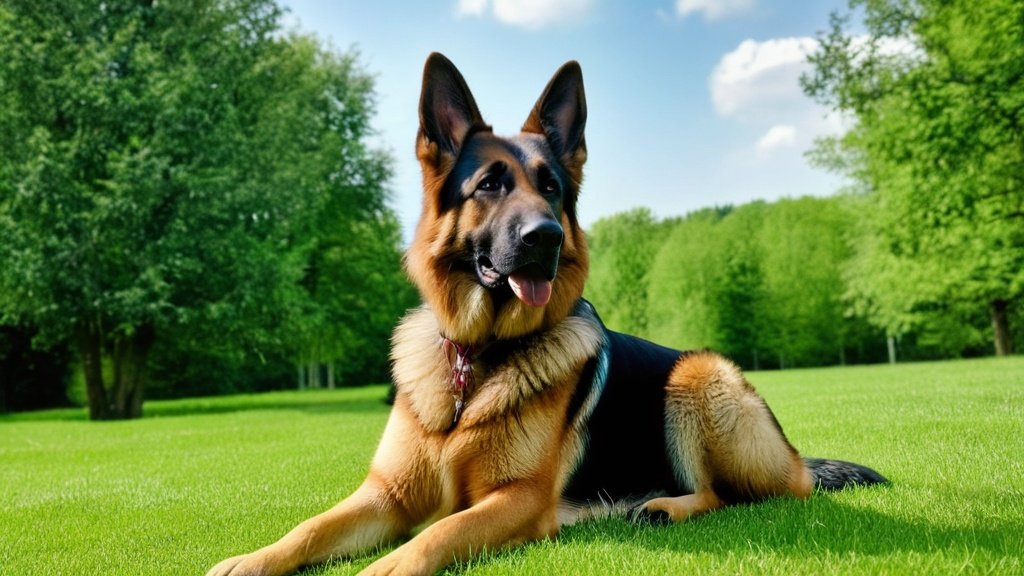
Agility training is an excellent way to channel the energy of a German Shepherd while enhancing their physical fitness and mental acuity. This sport involves navigating through obstacle courses that include jumps, tunnels, weave poles, and more. Training for agility not only provides an outlet for exercise but also strengthens the bond between you and your dog as you work together to master each course.
To get started with agility training, consider enrolling in classes specifically designed for this purpose or setting up a mini-course at home using cones and jumps. Begin with simple obstacles and gradually increase the complexity as your dog becomes more comfortable navigating the course. Positive reinforcement remains crucial during this process; rewarding your dog with treats or praise when they successfully complete an obstacle will encourage them to continue improving their skills.
Training German Shepherds for Service and Therapy Work
German Shepherds are often chosen as service dogs due to their intelligence, loyalty, and ability to learn complex tasks quickly. Training a German Shepherd for service work requires dedication and patience but can be incredibly rewarding for both the handler and the dog. Service dogs assist individuals with disabilities by performing tasks such as guiding visually impaired individuals or alerting those with hearing impairments.
To train your German Shepherd for service work, it’s essential first to ensure they have a solid foundation in obedience training and socialization skills. Once these basics are established, you can begin teaching specific tasks tailored to the needs of the individual they will be assisting. This may involve specialized training programs that focus on task-specific skills while reinforcing good behavior in various environments.
In conclusion, whether you’re considering bringing a German Shepherd into your home or already have one as part of your family, understanding their unique traits and needs is vital for successful training and socialization. From basic commands to advanced tasks like agility or service work, investing time in proper training will lead to a well-behaved companion who thrives in various situations. If you’re looking for professional assistance in training or caring for your beloved pet while you’re busy with work or other commitments, Lovepetcare offers exceptional dog walking and pet sitting services in Los Angeles and New York City.
Our experienced team understands the needs of breeds like the German Shepherd and is dedicated to providing personalized care that ensures your furry friend remains happy and healthy while you’re away.