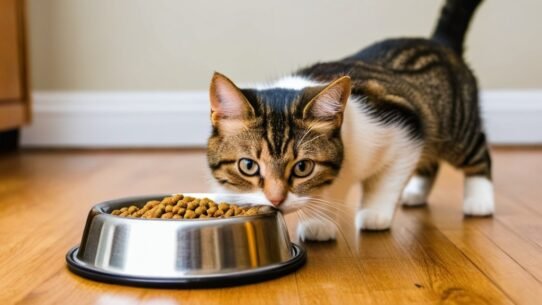




When considering a raw cat food diet, you may find yourself intrigued by the numerous benefits it can offer your feline friend. One of the most significant advantages is the potential for improved health. Raw diets are often rich in protein and moisture, which can lead to better hydration and overall vitality.
Cats, being obligate carnivores, thrive on a diet that closely resembles what they would naturally consume in the wild. By providing them with raw meat, organs, and bones, you may notice an increase in energy levels, a shinier coat, and healthier skin. These changes can be attributed to the high-quality nutrients found in raw food, which are often lost in processed commercial diets.
Moreover, a raw food diet can help in maintaining a healthy weight for your cat. Many commercial cat foods are laden with fillers and carbohydrates that can contribute to obesity. By feeding your cat a raw diet, you can control the ingredients and ensure that they are getting the right balance of nutrients without unnecessary additives.
This can be particularly beneficial for cats that are prone to weight gain or have specific dietary needs. Additionally, some pet owners report that their cats experience fewer digestive issues when switched to a raw diet, leading to less vomiting and healthier stools.
Key Takeaways
- Raw cat food diets can improve coat health, digestion, and energy levels.
- Cats require a balanced diet rich in protein, taurine, and essential nutrients.
- Gradual transition is key to help cats adjust to raw food without digestive upset.
- Variety in raw ingredients ensures a complete nutrient profile and prevents deficiencies.
- Consulting a veterinarian is crucial to address risks and tailor the diet to your cat’s needs.
Understanding the Nutritional Needs of Cats
To effectively implement a raw food diet for your cat, it’s essential to understand their unique nutritional requirements. Cats require a diet high in protein and fat, as they have evolved to derive energy primarily from animal sources. Unlike dogs, cats lack certain enzymes necessary for digesting carbohydrates efficiently.
Therefore, when you consider transitioning your cat to a raw food diet, focus on providing high-quality protein sources such as chicken, turkey, or fish. These proteins should be complemented with essential fatty acids to support their overall health. In addition to protein and fat, cats also need specific vitamins and minerals to thrive.
For instance, taurine is an amino acid crucial for heart health and vision, while arachidonic acid is vital for skin and coat health. These nutrients are naturally found in animal tissues but may be lacking in commercial cat foods that contain plant-based ingredients. By opting for a raw diet, you can ensure that your cat receives these essential nutrients in their most bioavailable form.
Understanding these nutritional needs will empower you to create a balanced meal plan that supports your cat’s health and well-being.
How to Transition Your Cat to a Raw Food Diet
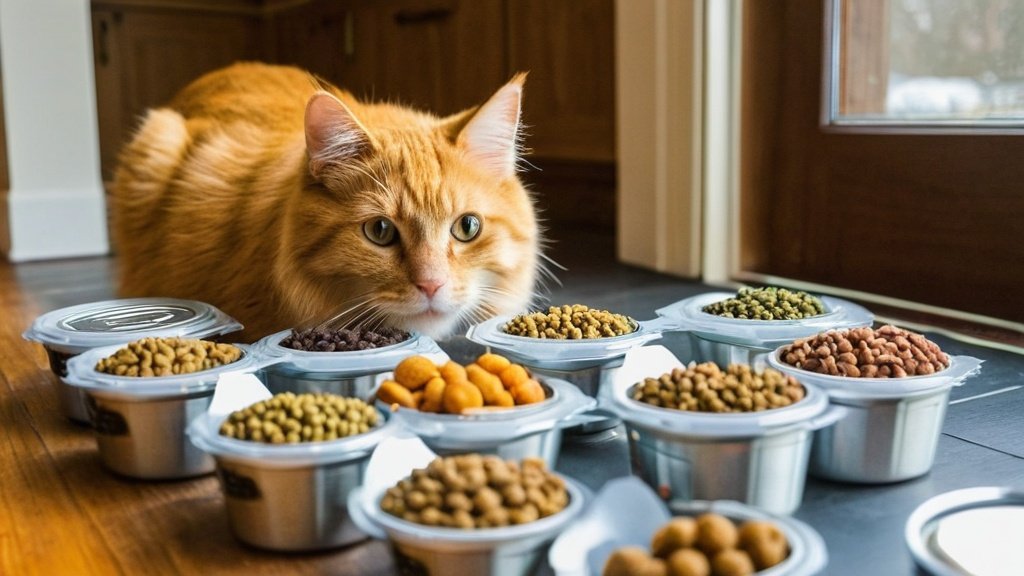
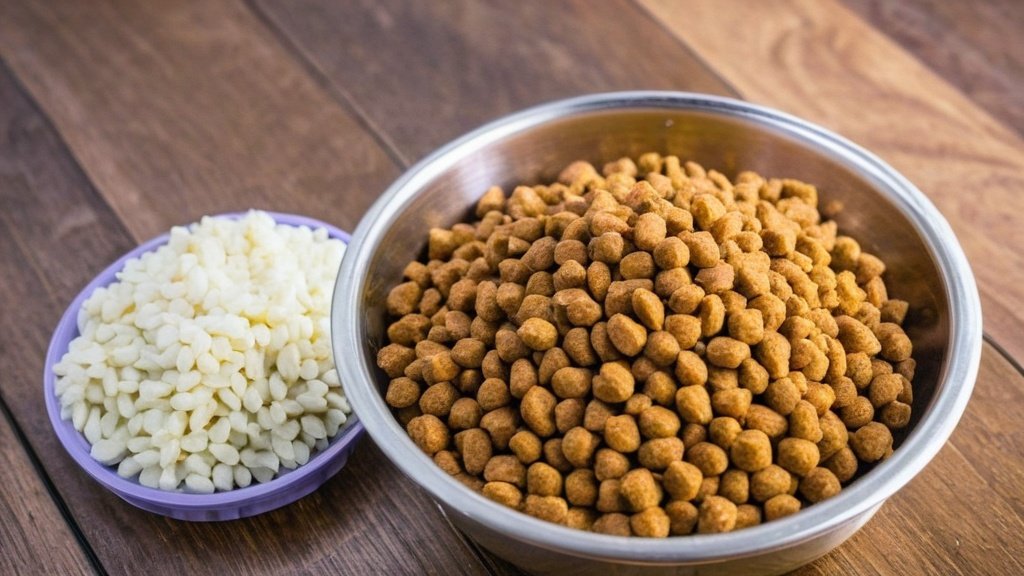
Transitioning your cat to a raw food diet requires patience and careful planning. It’s important to introduce the new food gradually to avoid gastrointestinal upset. Start by mixing a small amount of raw food with your cat’s current diet, gradually increasing the proportion of raw food over several days or weeks.
This slow transition allows your cat’s digestive system to adjust to the new diet while minimizing the risk of diarrhea or vomiting. During this transition period, observe your cat’s behavior and health closely. Some cats may take to raw food immediately, while others may be more hesitant.
If your cat shows signs of reluctance or refuses to eat the new food altogether, try different protein sources or preparation methods. For instance, warming the food slightly or adding a bit of water can enhance its aroma and make it more appealing. Remember that every cat is unique; what works for one may not work for another.
Be patient and persistent as you guide your feline companion through this dietary change.
The Importance of Variety in a Raw Cat Food Diet
| Metric | Description | Importance | Example |
|---|---|---|---|
| Protein Diversity | Variety of protein sources such as chicken, beef, fish, and organ meats | Ensures a balanced amino acid profile and prevents nutrient deficiencies | Rotating between chicken, turkey, and salmon |
| Vitamin and Mineral Intake | Different meats and organs provide varying vitamins and minerals | Supports overall health, immune function, and bone strength | Liver for vitamin A, heart for taurine, and bone for calcium |
| Digestive Health | Variety in diet promotes a healthy gut microbiome | Improves digestion and nutrient absorption | Including raw meaty bones and different muscle meats |
| Palatability | Varied flavors and textures increase food acceptance | Encourages consistent eating habits and prevents picky eating | Mixing ground meats with chunks and organs |
| Risk Reduction | Rotating proteins reduces risk of food allergies and intolerances | Maintains long-term dietary tolerance and health | Alternating between beef and fish proteins |
Incorporating variety into your cat’s raw food diet is crucial for ensuring they receive a well-rounded array of nutrients. Just as humans benefit from diverse diets, cats also thrive when exposed to different protein sources and types of animal products. Rotating between various meats such as chicken, beef, lamb, and fish can help prevent nutritional deficiencies and keep mealtime exciting for your pet.
Additionally, different meats provide varying levels of essential nutrients that contribute to overall health. Moreover, variety can help prevent food sensitivities or allergies from developing over time. If your cat is consistently fed the same protein source, they may become intolerant or allergic to it.
By diversifying their diet, you reduce the risk of such issues arising. You might also consider including organ meats like liver or heart in their meals, as these are nutrient-dense and provide essential vitamins and minerals that support various bodily functions. Embracing variety not only enhances your cat’s nutritional intake but also enriches their dining experience.
Potential Risks and Precautions of a Raw Cat Food Diet
While there are many benefits to feeding your cat a raw food diet, it’s essential to be aware of potential risks and take necessary precautions. One significant concern is the risk of bacterial contamination in raw meat products. Pathogens such as Salmonella or E.
coli can pose health risks not only to your cat but also to humans handling the food. To mitigate this risk, always source high-quality meat from reputable suppliers and practice safe food handling techniques in your kitchen. Another consideration is ensuring that the raw diet is nutritionally balanced.
Cats require specific nutrients in precise amounts; therefore, it’s crucial to do thorough research or consult with a veterinary nutritionist when formulating meals. A poorly balanced raw diet can lead to deficiencies or excesses that may harm your cat’s health over time. Regularly monitoring your cat’s health through veterinary check-ups will help you catch any potential issues early on and adjust their diet accordingly.
Tips for Preparing and Storing Raw Cat Food
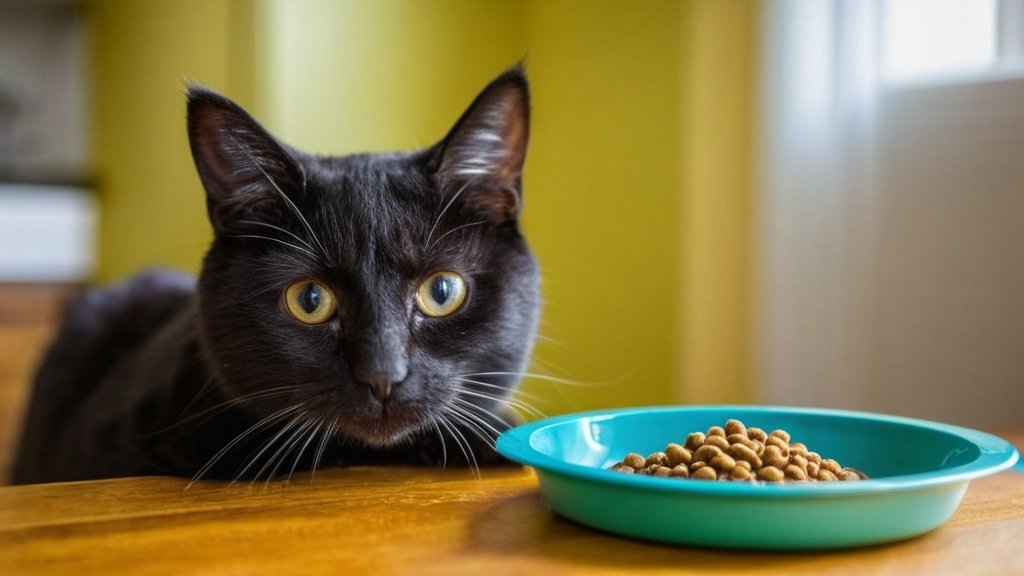
Preparing raw cat food requires attention to detail and hygiene to ensure safety for both you and your pet. When preparing meals at home, always use clean utensils and surfaces to avoid cross-contamination with other foods. It’s advisable to designate specific cutting boards and knives for raw meat preparation only.
Additionally, washing your hands thoroughly before and after handling raw ingredients is crucial in preventing the spread of bacteria. Storage is equally important when it comes to raw cat food. Always keep raw meat in the refrigerator if you plan to use it within a few days; otherwise, freezing is an excellent option for longer-term storage.
When freezing portions, consider using airtight containers or freezer bags to prevent freezer burn and maintain freshness. Thaw frozen meat in the refrigerator rather than at room temperature to minimize bacterial growth. By following these tips for preparation and storage, you can ensure that your cat’s meals are safe and nutritious.
The debate between raw cat food diets and commercial cat foods often centers around quality and nutritional value. Commercial cat foods are typically processed at high temperatures, which can destroy many essential nutrients found in natural ingredients. In contrast, raw diets preserve these nutrients by providing fresh meat and organs without extensive processing.
This difference can lead to better overall health outcomes for cats on a raw diet compared to those consuming commercial options filled with fillers and artificial additives. Another key difference lies in ingredient transparency. With commercial cat foods, it can be challenging to determine the quality of ingredients used or their sourcing practices.
On the other hand, when you prepare raw meals at home or purchase from reputable suppliers, you have complete control over what goes into your cat’s food. This transparency allows you to choose high-quality proteins and avoid harmful additives that may be present in some commercial products.
Consulting with a Veterinarian about Raw Cat Food Diets
Before making any significant changes to your cat’s diet, consulting with a veterinarian is crucial. A veterinarian can provide valuable insights into whether a raw food diet is appropriate for your specific cat based on their age, health status, and dietary needs. They can also help you formulate balanced meal plans that meet all nutritional requirements while addressing any potential health concerns.
Additionally, regular check-ups with your veterinarian will allow you to monitor your cat’s health as they transition to a raw diet. They can assess weight changes, coat condition, and overall well-being while providing guidance on any necessary adjustments to their feeding regimen. By working closely with a veterinary professional throughout this process, you can ensure that your cat receives the best possible care while enjoying the benefits of a raw food diet.
In conclusion, transitioning your cat to a raw food diet can offer numerous benefits but requires careful consideration and planning. By understanding their nutritional needs, incorporating variety into their meals, and taking necessary precautions against potential risks, you can create a healthy feeding regimen that supports their overall well-being. Always remember that consulting with a veterinarian is an essential step in this journey, ensuring that both you and your feline companion embark on this dietary adventure safely and successfully.