





Understanding dog body language is essential for any dog owner or enthusiast. Just like humans, dogs communicate their feelings and intentions through a variety of signals. By learning to interpret these signals, you can enhance your relationship with your furry friend and ensure their well-being.
Dogs may not speak our language, but they have a rich vocabulary of gestures, expressions, and sounds that convey their emotions. By paying attention to these cues, you can better understand what your dog is trying to tell you. As you embark on this journey of understanding canine communication, you will find that it is not only fascinating but also incredibly rewarding.
The more you learn about your dog’s body language, the more attuned you will become to their needs and feelings. This knowledge can help prevent misunderstandings and strengthen the bond between you and your pet. In this article, we will explore various aspects of dog body language, from facial expressions to vocalizations, equipping you with the tools to decode your dog’s unique way of communicating.
Key Takeaways
- Dog body language is essential for understanding their emotions and needs.
- Facial expressions and ear positions provide key insights into a dog’s feelings.
- Tail wagging varies in meaning depending on speed and position.
- Body posture and movement reveal a dog’s comfort level and intentions.
- Recognizing vocalizations and stress signals helps strengthen the human-dog bond.
Understanding Facial Expressions
Facial expressions are one of the most telling aspects of a dog’s body language. Dogs have a range of facial movements that can indicate their emotional state. For instance, when a dog is relaxed and happy, you might notice a soft, open mouth and bright eyes.
Their ears may be in a neutral position, and they may even display a slight smile. This relaxed demeanor is often accompanied by a wagging tail, signaling that they are content and comfortable in their environment. Conversely, a dog that is feeling threatened or anxious may exhibit a tense face with narrowed eyes and a closed mouth.
You might also see their ears pinned back against their head, which is a clear sign of discomfort or fear. Understanding these facial cues can help you respond appropriately to your dog’s needs. For example, if you notice your dog displaying signs of stress, you can take steps to create a more calming environment or remove them from the situation causing their anxiety.
Interpreting Tail Wagging

Tail wagging is one of the most recognizable forms of dog communication, but it is not as straightforward as it may seem. The position and speed of a dog’s tail can convey a wide range of emotions. A wagging tail does not always mean that a dog is happy; it can also indicate excitement, nervousness, or even aggression.
For instance, if your dog is wagging their tail high and fast while approaching another dog or person, they may be feeling excited or playful. However, if the wagging is slow and low, it could signify uncertainty or submission. To accurately interpret tail wagging, consider the context in which it occurs.
Pay attention to other body language signals as well. If your dog’s tail is wagging but their body is tense or they are growling, it may be best to approach the situation with caution. On the other hand, if your dog is wagging their tail while playing fetch or greeting you at the door, it’s likely they are expressing joy and enthusiasm.
By observing these nuances in tail wagging, you can gain deeper insights into your dog’s emotional state.
Decoding Ear Positions
A dog’s ears are highly expressive and can provide valuable information about their mood and intentions. The position of your dog’s ears can indicate whether they are relaxed, alert, or fearful. For example, when a dog’s ears are in a neutral position—neither perked up nor pinned back—they are likely feeling calm and at ease.
However, if their ears are perked up and facing forward, it usually means they are alert and paying attention to something in their environment. On the flip side, if your dog’s ears are pinned back against their head, this often indicates fear or submission. In some cases, dogs may also flatten their ears when they are feeling threatened or anxious.
Understanding these ear positions can help you gauge how your dog is feeling in different situations. If you notice your dog displaying fearful ear positions during a loud event or around unfamiliar people, you can take steps to comfort them or remove them from the stressful environment.
Reading Body Posture and Movement
Body posture is another critical component of dog body language that can reveal a lot about how your dog is feeling. A relaxed dog will typically have a loose body posture with their weight evenly distributed. They may lie down comfortably or stand with a relaxed stance.
In contrast, a tense or stiff posture often indicates that a dog is feeling threatened or anxious. You might notice them standing rigidly with their tail held high or low to the ground. Movement also plays a significant role in how dogs communicate.
A playful dog may exhibit bouncy movements with an exaggerated gait, while a fearful dog may move slowly and cautiously. Additionally, if your dog approaches you with a low body posture and tucked tail, they may be feeling submissive or unsure. By observing these subtle cues in body posture and movement, you can better understand your dog’s emotional state and respond accordingly.
Recognizing Vocalizations and Sounds
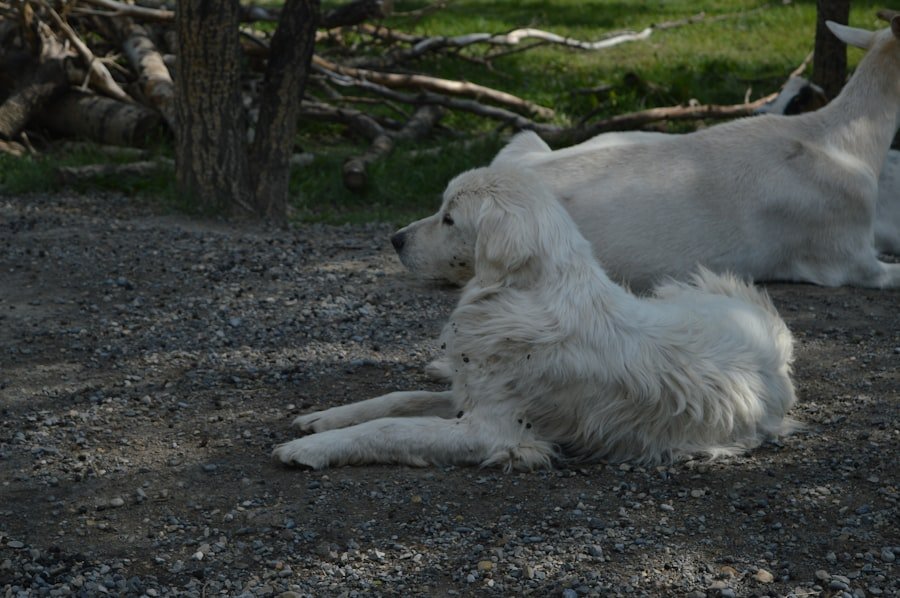
Dogs use vocalizations as another means of communication, and understanding these sounds can provide insight into their feelings and needs. Barking is perhaps the most common vocalization associated with dogs; however, not all barks are created equal. A high-pitched bark may indicate excitement or playfulness, while a deep bark could signal warning or aggression.
By paying attention to the tone and frequency of your dog’s barks, you can begin to decipher what they are trying to communicate. In addition to barking, dogs also use growls, whines, and howls to express themselves. A growl can serve as a warning sign that your dog feels threatened or uncomfortable in a situation.
On the other hand, whining often indicates anxiety or a desire for attention. Howling may be an instinctual behavior linked to communication with other dogs or simply an expression of loneliness. By recognizing these vocalizations and understanding their meanings, you can respond more effectively to your dog’s needs.
Identifying Stress and Anxiety Signals
Recognizing signs of stress and anxiety in dogs is crucial for ensuring their well-being. Dogs may exhibit various behaviors when they are feeling overwhelmed or anxious. Common signs include excessive panting, pacing, drooling, or attempting to hide.
You might also notice changes in their eating habits or increased aggression towards other animals or people when they are stressed. It’s essential to be proactive in addressing these signals to help your dog feel more secure and comfortable in their environment. If you notice signs of anxiety during specific situations—such as thunderstorms or visits to the vet—consider implementing calming techniques like creating a safe space for them or using anxiety-reducing products like wraps or pheromone diffusers.
By being attentive to your dog’s stress signals and taking appropriate action, you can help them navigate challenging situations more effectively.
Building a Stronger Bond with Your Dog through Body Language Understanding
In conclusion, understanding dog body language is an invaluable skill that can significantly enhance your relationship with your canine companion. By learning to interpret facial expressions, tail movements, ear positions, body posture, vocalizations, and stress signals, you will be better equipped to respond to your dog’s needs and emotions effectively. This knowledge fosters trust between you and your pet while promoting their overall well-being.
As you continue to observe and learn from your dog’s body language, you’ll find that your bond deepens over time. The ability to communicate effectively with your dog not only enriches your relationship but also creates a more harmonious living environment for both of you. Embrace this journey of understanding canine communication; it will undoubtedly lead to countless joyful moments shared with your beloved furry friend.