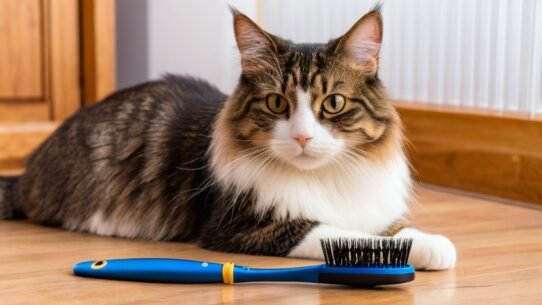





Trimming your cat’s nails is an essential aspect of responsible pet ownership that often goes overlooked. You may not realize it, but regular nail maintenance can significantly impact your feline friend’s health and well-being. Overgrown nails can lead to discomfort and pain, making it difficult for your cat to walk or engage in their usual activities.
When nails become too long, they can curl back into the paw pads, causing injury and potential infections. By keeping your cat’s nails trimmed, you help prevent these issues and ensure they remain active and happy. Moreover, regular nail trimming can protect your home from the inevitable scratches that come with a cat’s natural behavior.
Cats love to scratch surfaces to mark their territory, stretch their muscles, and keep their claws sharp. However, when their nails are too long, the damage can be more severe. By maintaining a proper nail length, you can minimize the risk of furniture and other household items being scratched or damaged.
This simple grooming task not only benefits your cat but also helps maintain a harmonious living environment for both of you.
Key Takeaways
- Regular nail trimming is essential for your cat’s health and comfort.
- Prepare by gathering proper tools like cat nail clippers and styptic powder.
- Calm and gently prepare your cat before starting the trimming process.
- Trim nails carefully to avoid injury and handle any resistance calmly.
- Use positive reinforcement and maintain a consistent trimming routine for best results.
Gathering the Necessary Tools and Supplies
Before you embark on the nail-trimming journey, it’s crucial to gather the right tools and supplies. Having everything ready will make the process smoother and less stressful for both you and your cat. The most important tool you’ll need is a pair of cat nail clippers.
There are various types available, including scissor-style clippers and guillotine-style clippers. You may want to try a few different types to see which one feels most comfortable for you and works best for your cat’s nails. In addition to clippers, consider having a nail file or grinder on hand for any rough edges that may remain after trimming.
A styptic powder is also a wise investment; this powder can help stop bleeding if you accidentally cut too close to the quick, which is the sensitive part of the nail that contains blood vessels and nerves. Lastly, having treats nearby can be beneficial for rewarding your cat during and after the process, making it a more positive experience for them.
Preparing Your Cat for Nail Trimming
Preparation is key when it comes to trimming your cat’s nails. Start by creating a calm environment where your cat feels safe and secure. Choose a quiet room with minimal distractions, and consider using a soft blanket or towel to help keep your cat comfortable during the process.
If your cat is particularly anxious or skittish, you might want to spend some time simply petting them and allowing them to acclimate to the space before introducing the clippers. It’s also helpful to get your cat used to having their paws handled before you attempt to trim their nails. Gently hold their paws in your hands and press lightly on their pads to extend the claws.
This practice will help them become accustomed to the sensation and make them less likely to resist when it’s time for trimming. You can do this over several days leading up to the actual nail trimming session, gradually increasing the duration of time you spend handling their paws.
Trimming Your Cat’s Nails Safely
When you’re ready to trim your cat’s nails, it’s essential to approach the task with patience and care. Begin by gently holding one of your cat’s paws in your hand, ensuring they feel secure but not restrained. If your cat seems anxious or tries to pull away, take a step back and give them a moment to relax before continuing.
It’s crucial to remain calm yourself; cats can sense your emotions, and if you’re feeling stressed or rushed, they may become more agitated. As you prepare to trim, focus on only one nail at a time. Use your clippers to carefully cut just the tip of the nail, avoiding the quick at all costs.
If you’re unsure where the quick is located, look for the pinkish area within the nail; this is where blood vessels are present. If you accidentally clip too close and cause bleeding, apply styptic powder immediately to stop it. Remember that it’s better to trim less than more; you can always come back for another session if needed.
Dealing with Accidents or Resistance
Even with careful preparation, accidents can happen during nail trimming sessions. If your cat becomes overly stressed or resistant, it’s essential to know how to handle the situation calmly. First, take a break if you notice signs of distress such as hissing, scratching, or trying to escape.
Allow your cat some time to relax before attempting again later. Forcing the process can lead to negative associations with nail trimming, making future attempts even more challenging. If you accidentally cut into the quick and cause bleeding, stay calm and reassure your cat with gentle words and soothing strokes.
Apply styptic powder as needed and give them some time to recover from the shock of the experience. It’s important not to scold or punish your cat; this will only increase their anxiety about future grooming sessions. Instead, focus on creating a positive atmosphere where they feel safe and secure.
Providing Positive Reinforcement and Rewards
Positive reinforcement is a powerful tool when it comes to training your cat for nail trimming. After each successful trim or even just handling their paws without resistance, reward your cat with treats or praise. This approach helps create a positive association with the process, making them more likely to cooperate in future sessions.
You might also consider using their favorite toys as rewards; engaging them in playtime after trimming can help reinforce that good things happen after nail care. Additionally, be sure to celebrate small victories along the way. If your cat allows you to trim just one nail without fussing, that’s an accomplishment worth acknowledging!
By focusing on these small successes rather than expecting perfection right away, you’ll help build your cat’s confidence and trust in you during grooming sessions.
Maintaining a Regular Nail Trimming Schedule
Establishing a regular nail trimming schedule is vital for keeping your cat’s claws healthy and manageable. Depending on your cat’s activity level and lifestyle, you may need to trim their nails every two to four weeks. Cats that spend more time indoors may require more frequent trims since they don’t naturally wear down their claws as outdoor cats do through climbing and scratching on various surfaces.
To make this process easier for both you and your cat, consider setting reminders on your phone or calendar for regular trimming sessions. Consistency is key; when your cat becomes accustomed to having their nails trimmed regularly, they are less likely to resist over time. Additionally, keeping track of when you last trimmed their nails will help you gauge when it’s time for another session.
Seeking Professional Help if Necessary
While many pet owners successfully trim their cats’ nails at home, there may be instances where seeking professional help is necessary or beneficial. If you find that your cat is consistently resistant or becomes overly stressed during trimming sessions despite your best efforts, consider consulting a veterinarian or professional groomer for assistance. They have experience handling various temperaments and can provide valuable tips tailored specifically for your cat.
Moreover, if you’re unsure about how to trim nails safely or feel uncomfortable doing it yourself, don’t hesitate to reach out for professional help. Many veterinarians offer grooming services that include nail trimming as part of their routine care packages. This option not only ensures that your cat’s nails are trimmed correctly but also provides peace of mind knowing that an expert is handling the task.
In conclusion, trimming your cat’s nails is an essential part of responsible pet care that contributes significantly to their overall health and happiness. By understanding its importance, gathering the right tools, preparing adequately, and employing positive reinforcement techniques, you can create a stress-free experience for both you and your feline friend. Remember that patience is key; with time and practice, you’ll both become more comfortable with this necessary grooming task.