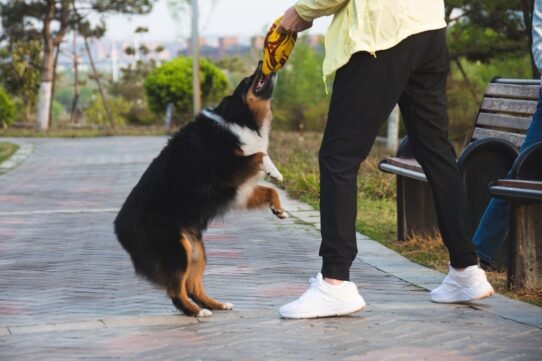




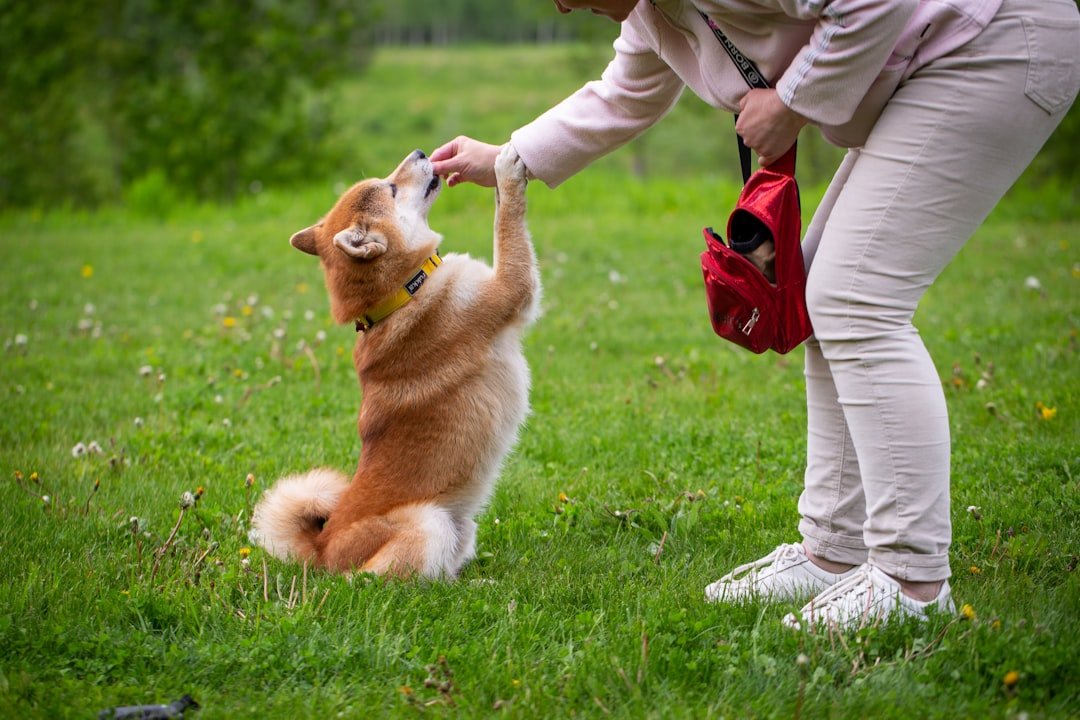
When it comes to addressing behavioral problems in your dog, the first step is to understand the root of the issue. Dogs, like humans, can exhibit a range of behaviors that stem from various underlying causes. It’s essential to take a step back and analyze what might be triggering your dog’s actions.
Is it fear, anxiety, or perhaps a lack of socialization? By identifying the root cause, you can tailor your approach to effectively address the behavior rather than merely treating the symptoms. Consider keeping a journal to track your dog’s behavior patterns.
Note when specific issues arise and any potential triggers you observe. This practice can provide valuable insights into your dog’s emotional state and help you pinpoint the underlying issues. Understanding your dog’s unique personality and history will empower you to create a more effective training plan that addresses their specific needs.
Key Takeaways
- Identify the underlying causes of your dog’s behavior to address issues effectively.
- Strengthen your relationship through consistent bonding and trust-building activities.
- Use positive reinforcement to encourage desired behaviors and improve training outcomes.
- Gradually introduce your dog to new environments and experiences to build confidence.
- Create a safe, secure space that supports your dog’s well-being and independence.
Building a strong bond with your dog
Establishing a strong bond with your dog is crucial for effective training and behavior modification. Dogs are social animals that thrive on companionship and trust. When you invest time in building a relationship based on love and respect, you create a solid foundation for communication and understanding.
Spend quality time with your dog through play, walks, and training sessions. These shared experiences not only strengthen your bond but also enhance your dog’s overall well-being. Engaging in activities that your dog enjoys can significantly improve your relationship.
Whether it’s playing fetch, going for hikes, or simply cuddling on the couch, these moments of connection foster trust and loyalty. Remember that dogs are highly attuned to human emotions; they can sense your feelings and respond accordingly. By being patient and nurturing, you’ll encourage your dog to feel secure in your presence, making them more receptive to training and guidance.
Positive reinforcement training techniques
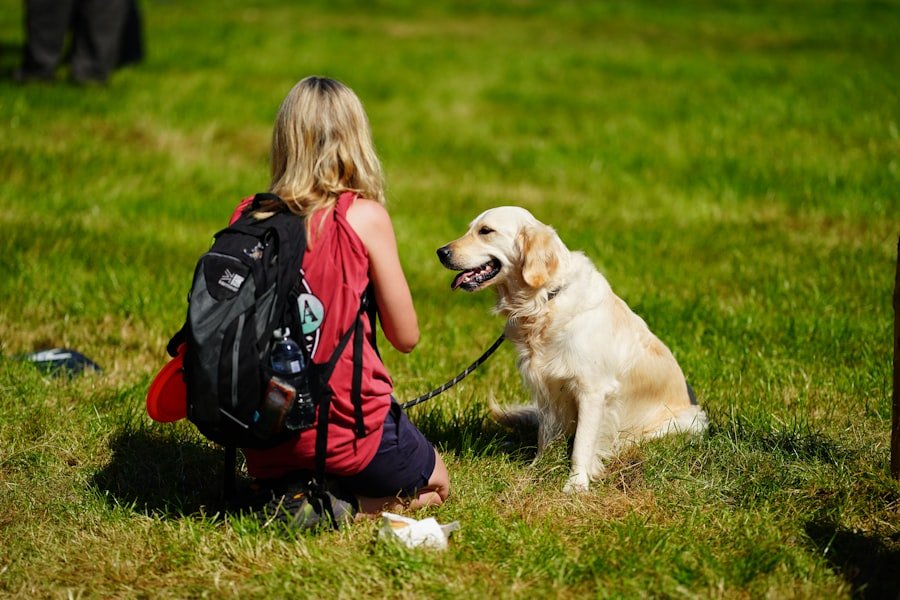
Positive reinforcement is one of the most effective training techniques you can employ with your dog. This method involves rewarding desired behaviors rather than punishing unwanted ones. By using treats, praise, or playtime as rewards, you encourage your dog to repeat behaviors that earn them positive feedback.
This approach not only helps in shaping behavior but also strengthens the bond between you and your furry friend. When implementing positive reinforcement, consistency is key. Ensure that everyone in your household is on the same page regarding commands and rewards.
This uniformity helps prevent confusion for your dog and reinforces their learning process. Additionally, be mindful of timing; rewards should be given immediately after the desired behavior occurs to create a clear association in your dog’s mind. Over time, as your dog learns what behaviors are rewarded, you can gradually reduce the frequency of treats while still offering praise and affection.
Exposing your dog to new experiences
Exposing your dog to new experiences is vital for their socialization and overall development. Just like humans, dogs can become fearful or anxious when faced with unfamiliar situations. By gradually introducing your dog to new environments, people, and other animals, you help them build confidence and adaptability.
Start with controlled settings where your dog feels safe, then slowly expand their exposure to more challenging situations. Socialization should begin at an early age if possible, but it’s never too late to introduce new experiences. Take your dog on different routes during walks, visit pet-friendly stores, or arrange playdates with other dogs.
Each new experience provides an opportunity for learning and growth. Pay attention to your dog’s body language during these outings; if they seem overwhelmed or scared, take a step back and allow them to acclimate at their own pace. The goal is to create positive associations with new experiences so that your dog feels comfortable exploring the world around them.
Providing a safe and secure environment
Creating a safe and secure environment for your dog is essential for their mental and emotional well-being. Dogs thrive in spaces where they feel protected and comfortable. Ensure that your home is free from hazards such as toxic plants, small objects that could be swallowed, or areas where they could escape.
A secure environment allows your dog to relax and feel at ease, which is crucial for their overall happiness. In addition to physical safety, emotional security is equally important. Establishing a routine can help your dog feel more secure in their environment.
Regular feeding times, walks, and play sessions create predictability in their day-to-day life. Furthermore, providing a designated space where your dog can retreat when they need some alone time can help them feel safe. This could be a cozy bed in a quiet corner or a crate that they associate with comfort and security.
Encouraging independence and problem-solving

Encouraging independence in your dog is an important aspect of their development. While it’s natural to want to keep your furry friend close at all times, fostering independence can lead to a more confident and well-adjusted pet. Start by allowing your dog to explore their surroundings without constant supervision.
This could mean letting them sniff around the yard or giving them space during playtime with other dogs. In addition to physical independence, promoting problem-solving skills can be beneficial for your dog’s mental stimulation. Engage them with puzzle toys that require them to think critically to access treats or rewards inside.
These activities not only keep them entertained but also encourage them to use their instincts and intelligence. As they learn to navigate challenges independently, they will gain confidence in their abilities, which can translate into improved behavior in various situations.
Seeking professional help when needed
Sometimes, despite our best efforts, we may find ourselves struggling with our dog’s behavior issues. In such cases, seeking professional help can be a wise decision. Professional trainers or behaviorists have the expertise to assess your dog’s specific needs and develop tailored strategies for improvement.
They can provide valuable insights into training techniques that may be more effective for your dog’s unique personality. When looking for professional assistance, ensure that you choose someone who uses positive reinforcement methods rather than punitive approaches. A qualified trainer will not only help address behavioral issues but also empower you with the knowledge and skills needed to maintain progress over time.
Remember that asking for help is not a sign of failure; it demonstrates your commitment to providing the best care for your furry companion.
Celebrating small victories and progress
As you embark on this journey of training and bonding with your dog, it’s essential to celebrate small victories along the way. Progress may come in various forms—whether it’s successfully teaching a new command or noticing a reduction in anxiety during outings—each achievement deserves recognition. Celebrating these milestones reinforces positive behavior and motivates both you and your dog to continue working together.
Take time to acknowledge the effort you both put into this process. Reward yourself with a treat or a fun outing with your dog when you reach specific goals together. This not only strengthens your bond but also creates positive associations with training sessions.
Remember that every small step forward is a step toward building a happier and healthier relationship with your furry friend. Embrace the journey, cherish the moments of growth, and enjoy the companionship that comes from nurturing a well-behaved and confident dog.