




When you take your dog for a walk, you may find yourself being dragged along, struggling to keep up with their enthusiasm. This behavior, commonly known as pulling, can be frustrating and exhausting. To effectively address this issue, it’s essential to understand the root cause of your dog’s pulling.
Often, dogs pull on the leash because they are excited about their surroundings. The sights, sounds, and smells of the outside world can be overwhelming, and your dog may feel compelled to explore every inch of it. This excitement can lead to a lack of focus on you, the handler, resulting in a tug-of-war between you and your furry friend.
Another reason for pulling could be a lack of training or understanding of leash manners. Many dogs have not been taught how to walk politely on a leash, leading them to believe that pulling is an acceptable way to get where they want to go. Additionally, some dogs may pull out of fear or anxiety, wanting to escape from perceived threats or uncomfortable situations.
By identifying the underlying reasons for your dog’s pulling behavior, you can tailor your training approach to address these specific issues effectively.
Key Takeaways
- Identify why your dog pulls to address the behavior effectively.
- Use positive reinforcement to encourage good leash manners.
- Employ a front-clip harness to reduce pulling.
- Practice loose leash walking regularly for better control.
- Combine mental and physical exercise to reduce leash pulling.
Positive reinforcement training techniques
Once you have a grasp on why your dog pulls, you can begin implementing positive reinforcement training techniques to encourage better leash manners. Positive reinforcement involves rewarding your dog for desired behaviors rather than punishing them for unwanted ones. This method is not only effective but also fosters a stronger bond between you and your pet.
Start by carrying treats during your walks and rewarding your dog when they walk beside you without pulling. This will help them associate walking calmly with positive outcomes. In addition to treats, verbal praise and affection can also serve as powerful motivators.
When your dog walks nicely on the leash, shower them with praise and affection to reinforce that behavior. Over time, your dog will learn that staying close to you leads to rewards, making them more likely to walk politely on future outings. Consistency is key in this process; ensure that everyone in your household uses the same commands and rewards to avoid confusing your dog.
Using a front-clip harness
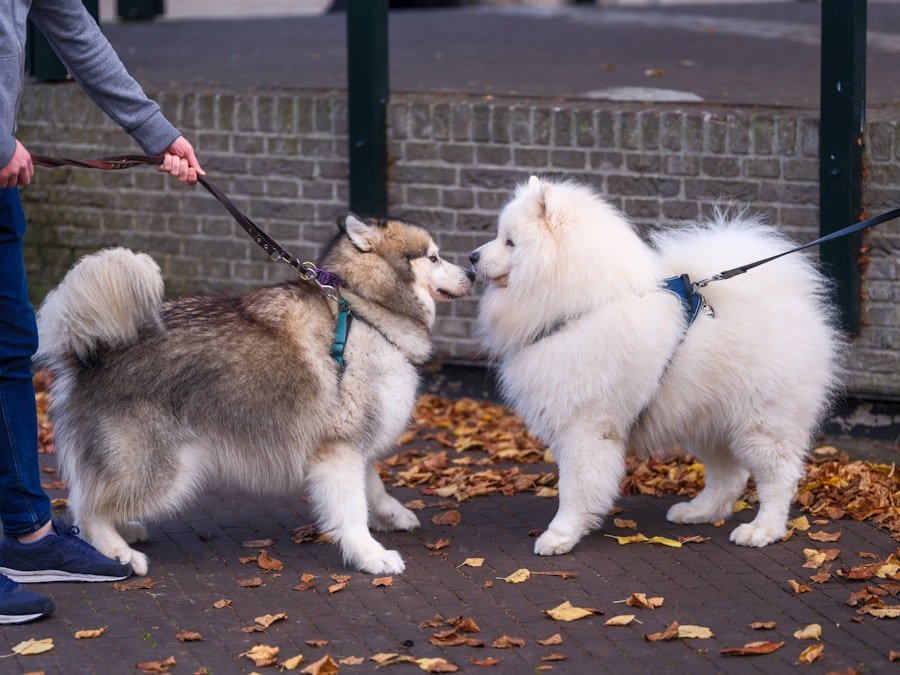
Incorporating a front-clip harness into your walking routine can significantly reduce pulling and make walks more enjoyable for both you and your dog. Unlike traditional collars that can put pressure on your dog’s neck when they pull, a front-clip harness distributes the force across their chest, providing better control without causing discomfort. This type of harness encourages your dog to turn back toward you when they pull, making it easier for them to learn proper leash manners.
When selecting a front-clip harness, ensure it fits your dog correctly. A well-fitted harness should be snug but not too tight, allowing for comfortable movement without chafing or restricting their breathing. Once you have the right harness, take some time to acclimate your dog to wearing it before heading out for walks.
Allow them to wear it indoors for short periods while offering treats and praise, so they associate the harness with positive experiences.
Practicing loose leash walking
Practicing loose leash walking is essential for teaching your dog how to walk calmly by your side. Begin in a quiet area with minimal distractions, such as your backyard or a quiet park. Start walking with your dog on a loose leash, and if they begin to pull ahead, stop walking immediately.
This teaches them that pulling will not get them where they want to go. Once they return to your side and the leash is slack, reward them with treats or praise before continuing your walk. Incorporate frequent stops and changes in direction during your practice sessions.
This keeps your dog engaged and encourages them to pay attention to you rather than their surroundings. If they start pulling again, simply stop and wait for them to return to a loose leash position before moving forward. With consistent practice, your dog will learn that staying close to you is the best way to enjoy their walks.
Incorporating mental and physical exercise
To further reduce pulling behavior, it’s crucial to incorporate both mental and physical exercise into your dog’s routine. A tired dog is often a well-behaved dog; when dogs have excess energy, they are more likely to pull on the leash during walks. Engage in activities that stimulate both their mind and body, such as interactive toys, puzzle games, or agility training.
These activities can help channel their energy in productive ways and reduce their desire to pull during walks. In addition to mental stimulation, regular physical exercise is vital for maintaining your dog’s overall well-being. Aim for daily walks that include varying distances and terrains to keep things interesting for your pup.
Consider adding playtime at the park or engaging in games like fetch or tug-of-war to burn off excess energy before heading out for a walk. By ensuring that your dog receives adequate exercise, you’ll find that they are more focused and less likely to pull on the leash.
Implementing consistent and clear communication
Effective communication is essential when training your dog to walk politely on a leash. Dogs thrive on consistency; therefore, using clear commands and signals will help them understand what is expected of them during walks. Choose simple commands such as “heel” or “let’s go” and use them consistently throughout your training sessions.
Pair these commands with hand signals or gestures to reinforce their meaning further. Additionally, be mindful of your body language while walking with your dog. Your posture and movements can convey messages that influence their behavior.
For instance, if you lean forward or pull on the leash when they start to pull ahead, it may inadvertently encourage them to continue that behavior. Instead, maintain an upright posture and use gentle guidance with the leash when necessary. By combining verbal commands with clear body language, you’ll create a more effective communication system that helps your dog understand what you expect from them.
Avoiding punishment-based methods
While it may be tempting to resort to punishment-based methods when dealing with pulling behavior, it’s essential to avoid these approaches altogether. Punishment can lead to fear and anxiety in dogs, which may exacerbate pulling or create other behavioral issues. Instead of using negative reinforcement techniques like choke collars or harsh corrections, focus on positive reinforcement strategies that promote trust and cooperation between you and your dog.
Using punishment can also damage the bond you share with your pet. Dogs are sensitive creatures that thrive on positive interactions with their owners. By fostering a relationship built on trust and understanding through positive reinforcement methods, you’ll create a more enjoyable walking experience for both of you.
Remember that patience is key; changing behavior takes time and consistency.
Seeking professional help if needed
If you find that despite your best efforts, your dog continues to pull excessively on the leash or exhibits other behavioral issues, seeking professional help may be necessary. A certified dog trainer or behaviorist can provide valuable insights tailored specifically to your dog’s needs. They can assess the situation and offer personalized training plans that address the root causes of pulling while considering your dog’s unique personality.
Professional trainers often employ various techniques and tools that may not be familiar to you as an owner. They can guide you through the training process while providing support and encouragement along the way. Additionally, group classes can offer socialization opportunities for both you and your dog while reinforcing good leash manners in a controlled environment.
Remember that seeking help is not a sign of failure; rather, it demonstrates your commitment to improving your dog’s behavior and enhancing your relationship with them. In conclusion, addressing pulling behavior in dogs requires understanding its root causes and implementing effective training techniques based on positive reinforcement. By using tools like front-clip harnesses and practicing loose leash walking while incorporating mental and physical exercise into their routine, you can significantly improve their behavior during walks.
Consistent communication is vital in this process; avoid punishment-based methods that could harm the bond between you and your pet. If needed, don’t hesitate to seek professional assistance for tailored guidance in overcoming this challenge together with your furry companion.