




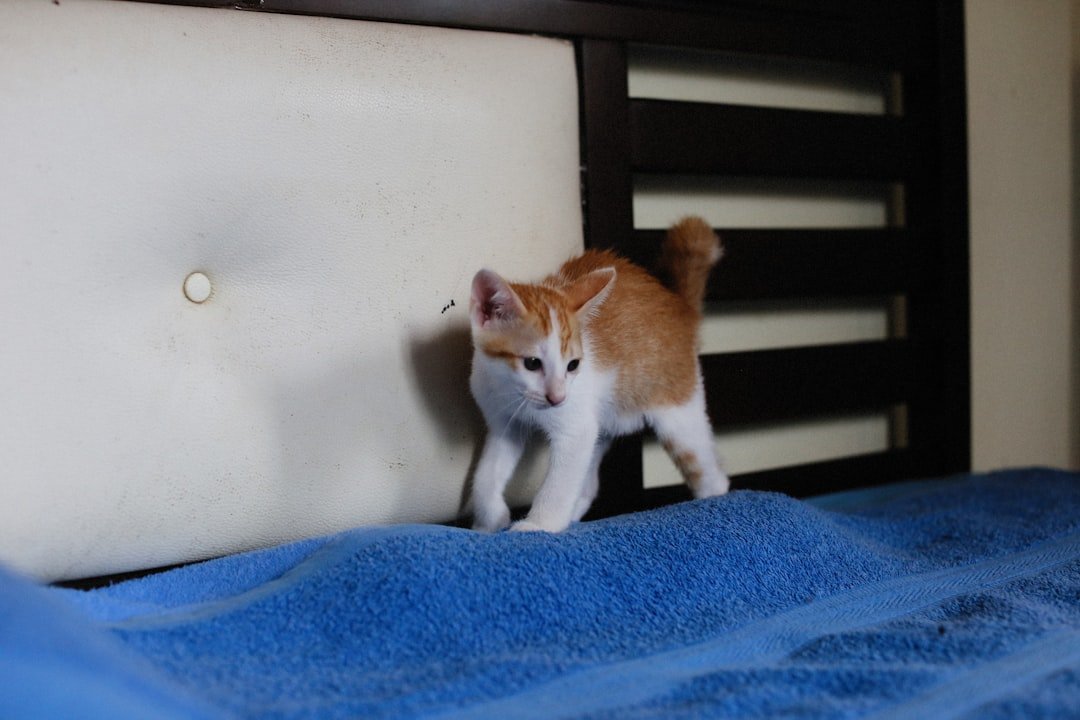
When it comes to your feline friend, understanding their behavior is crucial for fostering a harmonious relationship. Cats are instinctual creatures, and their actions often stem from deep-rooted instincts that have been honed over thousands of years. Scratching, for instance, is not merely a habit; it serves multiple purposes in a cat’s life.
It helps them maintain their claws, mark their territory, and even stretch their muscles. By recognizing these underlying motivations, you can better appreciate why your cat engages in certain behaviors, including scratching furniture or other household items. Moreover, understanding your cat’s behavior can help you identify when they are feeling stressed or anxious.
Cats are sensitive animals, and changes in their environment—such as moving to a new home or the introduction of a new pet—can lead to behavioral shifts. By observing your cat’s body language and vocalizations, you can gain insights into their emotional state. This awareness allows you to respond appropriately, ensuring that your cat feels secure and understood in their environment.
Ultimately, the more you learn about your cat’s behavior, the better equipped you will be to address any issues that arise.
Key Takeaways
- Identify reasons behind the behavior to address it effectively.
- Offer suitable alternatives like scratching posts to redirect actions.
- Use deterrents to discourage unwanted behavior safely.
- Regularly trim nails to minimize damage from scratching.
- Reinforce positive behavior and provide enrichment to keep pets engaged.
Providing alternatives
Once you have a grasp on your cat’s behavior, the next step is to provide alternatives that satisfy their natural instincts without damaging your belongings. One effective way to do this is by introducing various scratching surfaces throughout your home. Cats often prefer different textures and angles for scratching, so offering a variety of options—such as cardboard scratchers, sisal-wrapped posts, or even carpeted surfaces—can help redirect their attention away from your furniture.
By strategically placing these alternatives in areas where your cat likes to scratch, you can encourage them to use the designated items instead. In addition to scratching surfaces, consider providing other outlets for your cat’s energy and curiosity. Interactive toys, such as feather wands or laser pointers, can engage your cat in play while also allowing them to exercise their natural hunting instincts.
Puzzle feeders can stimulate their minds and keep them occupied for longer periods. By offering these alternatives, you not only reduce the likelihood of destructive behavior but also enhance your cat’s overall well-being. Remember, the goal is to create an environment where your cat feels fulfilled and content, minimizing the chances of them resorting to unwanted behaviors.
Using deterrents

While providing alternatives is essential, there may still be instances where you need to employ deterrents to protect your belongings. Deterrents can be effective tools in discouraging unwanted scratching or other behaviors that may be problematic. One common method is using double-sided tape on surfaces where your cat tends to scratch.
Cats generally dislike the sticky texture on their paws, which can deter them from returning to that spot. Additionally, there are commercial sprays available that emit scents unpleasant to cats but are safe for use around humans and other pets. Another approach is to create physical barriers that prevent access to certain areas or items.
For example, if your cat has a favorite spot on the couch that they tend to scratch, consider using furniture covers or placing a protective mat over that area. This not only protects your furniture but also teaches your cat that certain areas are off-limits. However, it’s important to remember that deterrents should be used in conjunction with positive reinforcement and alternatives.
The goal is not to punish your cat but rather to guide them toward more appropriate behaviors while still respecting their natural instincts.
Trimming their nails
Regularly trimming your cat’s nails is another effective strategy for minimizing damage to your furniture and belongings. While it may seem daunting at first, with a little patience and practice, you can make nail trimming a routine part of your cat care regimen. Keeping your cat’s nails short not only reduces the potential for scratching damage but also helps prevent painful injuries that can occur if their claws become too long or snagged on objects.
To make the process easier, start by getting your cat accustomed to having their paws handled from a young age. Gradually introduce the nail clippers and allow them to sniff and explore the tool without any pressure. When you’re ready to trim their nails, choose a quiet space where both you and your cat feel comfortable.
Gently hold one paw at a time and carefully trim just the tip of each claw, avoiding the quick—the pink area inside the nail that contains blood vessels and nerves. If you’re unsure about how much to trim, consult with your veterinarian for guidance. Regular nail trimming not only protects your belongings but also contributes to your cat’s overall health and comfort.
Using scratching posts
Scratching posts are essential tools for any cat owner looking to manage scratching behavior effectively. These posts come in various shapes, sizes, and materials, catering to different preferences among cats. When selecting a scratching post, consider factors such as height and stability; cats often prefer tall posts that allow them to stretch fully while scratching.
Additionally, look for posts made from durable materials like sisal or wood that can withstand vigorous scratching sessions. To encourage your cat to use the scratching post instead of your furniture, place it in an area where they frequently scratch or near their favorite lounging spots. You can also entice them by rubbing catnip on the post or using toys to draw their attention toward it.
If your cat seems hesitant at first, be patient; it may take some time for them to adjust to the new addition in their environment. By providing a designated scratching post that meets their needs, you create a positive outlet for their natural behavior while protecting your home from damage.
Positive reinforcement
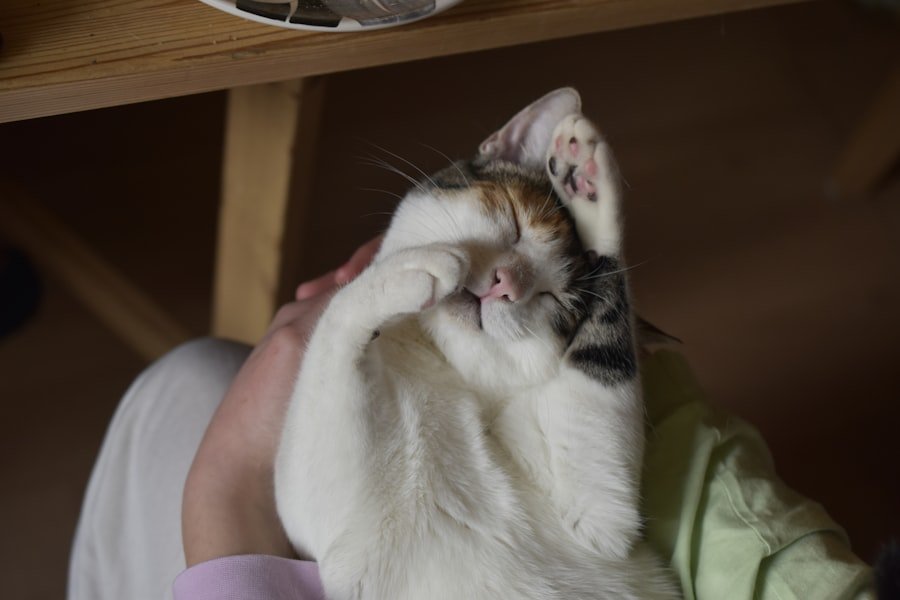
Positive reinforcement is a powerful tool in shaping your cat’s behavior and encouraging them to adopt more desirable habits. When you catch your cat using their scratching post or engaging in appropriate play behavior, reward them with praise, treats, or affection. This reinforces the idea that good behavior leads to positive outcomes, making it more likely that they will repeat those actions in the future.
Consistency is key when using positive reinforcement; make sure everyone in your household is on board with the approach so that your cat receives a unified message about what behaviors are encouraged. Over time, as your cat learns which actions lead to rewards, you’ll notice a decrease in unwanted behaviors like scratching furniture or knocking over items around the house. By focusing on positive reinforcement rather than punishment, you foster a trusting relationship with your cat while promoting a more harmonious living environment.
Providing enrichment
Cats are intelligent creatures that thrive on mental stimulation and physical activity. Providing enrichment in their daily lives is essential for preventing boredom and reducing unwanted behaviors. Enrichment can take many forms—interactive toys that challenge their problem-solving skills, climbing structures that allow them to explore vertical spaces, or even simple activities like hiding treats around the house for them to find.
Consider rotating toys regularly to keep things fresh and exciting for your cat. This prevents them from becoming disinterested in their playthings and encourages them to engage with new challenges. Additionally, setting aside dedicated playtime each day allows you to bond with your cat while providing them with the exercise they need to stay healthy and happy.
By prioritizing enrichment in your cat’s life, you create an environment where they feel fulfilled and engaged, reducing the likelihood of destructive behaviors stemming from boredom or frustration.
Seeking professional help
If you’ve tried various strategies and still find yourself struggling with your cat’s behavior, it may be time to seek professional help. Consulting with a veterinarian or an animal behaviorist can provide valuable insights into underlying issues that may be contributing to unwanted behaviors. These professionals can assess your cat’s health and environment, offering tailored recommendations based on their specific needs.
In some cases, behavioral issues may stem from medical conditions or stressors that require attention beyond simple training techniques. A veterinarian can rule out any health concerns that may be affecting your cat’s behavior while an animal behaviorist can work with you on developing a comprehensive plan tailored to address specific challenges you’re facing. Remember that seeking help is not a sign of failure; rather, it’s an important step toward ensuring the well-being of both you and your feline companion.
By understanding your cat’s behavior and implementing effective strategies such as providing alternatives, using deterrents, trimming nails regularly, utilizing scratching posts, employing positive reinforcement techniques, offering enrichment opportunities, and seeking professional guidance when necessary, you can create a harmonious living environment for both you and your beloved pet. With patience and dedication, you’ll find that managing unwanted behaviors becomes more manageable while strengthening the bond between you and your furry friend.