





To truly appreciate the companionship of a cat, you must first delve into the intricacies of their behavior. Cats are often perceived as aloof or independent creatures, but this perception can be misleading. Understanding their behavior is essential for fostering a harmonious relationship.
Unlike dogs, who are pack animals and thrive on social interaction, cats are solitary hunters by nature. This means they have evolved to be more self-sufficient, which can sometimes come across as standoffishness. However, this independence does not equate to a lack of affection; rather, it highlights their unique way of forming bonds.
As you observe your cat, you may notice a variety of behaviors that reflect their mood and personality. For instance, a cat that purrs while being petted is likely content, while one that swats at your hand may be feeling overstimulated or threatened. Understanding these nuances is crucial for interpreting your cat’s feelings accurately.
Additionally, recognizing that each cat has its own distinct personality will help you appreciate the quirks and idiosyncrasies that make your feline friend unique. By taking the time to learn about cat behavior, you can create a more fulfilling and enriching environment for both you and your pet.
Key Takeaways
- Recognize and interpret your cat’s body language to understand their feelings and needs.
- Look for signs of trust such as purring, kneading, and slow blinking.
- Build trust gradually through consistent, gentle interactions and respecting their boundaries.
- Communicate effectively by paying attention to vocalizations and non-verbal cues.
- Create a safe, comfortable environment to strengthen your bond and ensure your cat feels secure.
Signs of Trust in Cats
When it comes to building a relationship with your cat, recognizing the signs of trust is paramount. Cats communicate their feelings in subtle ways, and understanding these signals can deepen your bond. One of the most telling signs of trust is when your cat exposes its belly.
This vulnerable position indicates that your cat feels safe around you and trusts you not to harm them. However, it’s important to approach this gesture with caution; while some cats enjoy belly rubs, others may see it as an invitation to playfully defend themselves. Another sign of trust is when your cat follows you around the house or seeks your company during quiet moments.
This behavior shows that they enjoy your presence and feel secure in your company. Additionally, if your cat brings you “gifts,” such as a toy or even a caught mouse, it’s a sign of affection and trust. They are sharing their prized possessions with you, which is a significant gesture in the feline world.
By being attuned to these signs, you can foster a deeper connection with your cat and create an environment where they feel valued and loved.
Building Trust with Your Cat

Building trust with your cat is a gradual process that requires patience and understanding. One effective way to establish this trust is through consistent positive interactions. Spend time engaging in activities that your cat enjoys, such as playing with toys or simply sitting quietly together.
This not only helps your cat associate you with positive experiences but also allows them to feel more comfortable in your presence. Remember that every cat is different; some may warm up quickly, while others may take longer to feel secure. Another important aspect of building trust is respecting your cat’s pace.
If your feline friend seems hesitant or withdrawn, it’s crucial to give them space and time to adjust. Forcing interactions can lead to stress and anxiety, which can hinder the trust-building process. Instead, allow your cat to approach you on their terms.
You might find that they gradually become more affectionate as they learn to trust you. By creating a safe space where your cat feels in control, you can foster a trusting relationship that will flourish over time.
Communication with Your Cat
Effective communication is key to understanding your cat’s needs and emotions. While cats may not speak in words, they have a rich repertoire of vocalizations and body language that convey their feelings. For instance, a soft meow may indicate a desire for attention or food, while a loud yowl could signal distress or frustration.
Paying attention to these vocal cues can help you respond appropriately to your cat’s needs. In addition to vocalizations, cats communicate through body language. A relaxed posture with ears facing forward typically indicates a content and approachable cat, while flattened ears and a twitching tail may signal agitation or fear.
By observing these physical cues, you can gain insight into how your cat is feeling at any given moment. Engaging in two-way communication—responding to their vocalizations and respecting their body language—will strengthen the bond between you and your feline companion.
Creating a Safe and Comfortable Environment
Creating a safe and comfortable environment for your cat is essential for their well-being and happiness. Cats thrive in spaces where they feel secure and can express their natural behaviors. Start by providing cozy resting spots where they can retreat when they need solitude or rest.
Cat trees or shelves can also offer vertical spaces for climbing and exploring, which are vital for their physical and mental stimulation. Additionally, ensure that your home is free from hazards that could pose risks to your cat’s safety. Secure loose wires, remove toxic plants, and keep harmful substances out of reach.
Providing scratching posts will not only protect your furniture but also give your cat an outlet for their natural scratching instincts. By creating an environment tailored to your cat’s needs, you will foster a sense of security that encourages them to thrive.
Respect Your Cat’s Boundaries
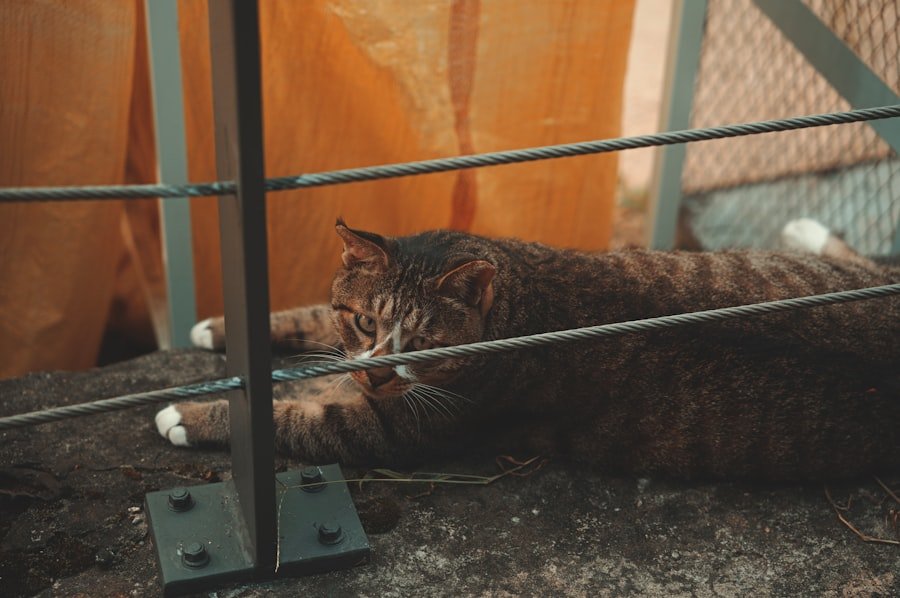
Respecting your cat’s boundaries is crucial for maintaining a healthy relationship. Cats are creatures of habit and often prefer routine; sudden changes in their environment or interactions can lead to stress or anxiety. Pay attention to your cat’s signals when they indicate they need space or time alone.
Forcing affection or playtime when they are not in the mood can damage the trust you’ve worked hard to build. Understanding that every cat has its own comfort levels will help you navigate interactions more effectively. Some cats may enjoy being held or cuddled, while others may prefer to keep their distance.
By observing their reactions and respecting their preferences, you create an atmosphere where they feel safe and understood. This mutual respect will strengthen the bond between you and encourage more positive interactions in the future.
Understanding Your Cat’s Body Language
Understanding your cat’s body language is an invaluable skill that enhances communication between you and your feline friend. Cats use various postures and movements to express their feelings, and being attuned to these signals can help you respond appropriately to their needs. For example, when a cat arches its back and raises its tail high, it typically indicates confidence and contentment.
Conversely, if a cat crouches low with its tail tucked between its legs, it may be feeling threatened or scared. Another important aspect of body language is the position of the ears and whiskers. Ears pointed forward suggest curiosity or interest, while ears flattened against the head indicate fear or aggression.
Similarly, whiskers that are relaxed show comfort, while whiskers that are pulled back may signal anxiety or discomfort. By learning to read these subtle cues, you can better understand how your cat is feeling in different situations and respond accordingly.
Building a Strong Bond with Your Cat
Building a strong bond with your cat takes time, patience, and effort, but the rewards are immeasurable. Engaging in regular playtime is one of the most effective ways to strengthen your connection. Use interactive toys like feather wands or laser pointers to stimulate their hunting instincts while providing an opportunity for bonding through shared activity.
This not only keeps them physically active but also reinforces the idea that spending time with you is enjoyable. Additionally, consider incorporating grooming into your routine as a way to enhance your bond further. Many cats enjoy being brushed, which can be a soothing experience for both of you.
This shared activity fosters trust and affection while also promoting good hygiene for your feline friend. Ultimately, the key to building a strong bond lies in understanding your cat’s unique personality and preferences while consistently providing love and support in ways that resonate with them. In conclusion, nurturing a relationship with your cat involves understanding their behavior, recognizing signs of trust, communicating effectively, creating a safe environment, respecting boundaries, interpreting body language, and engaging in meaningful activities together.
By investing time and effort into these aspects of your relationship, you will cultivate a deep bond that enriches both your lives for years to come.