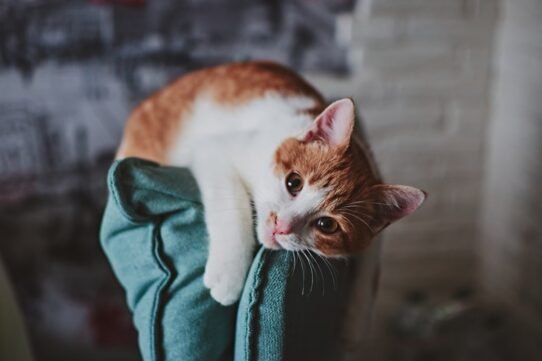




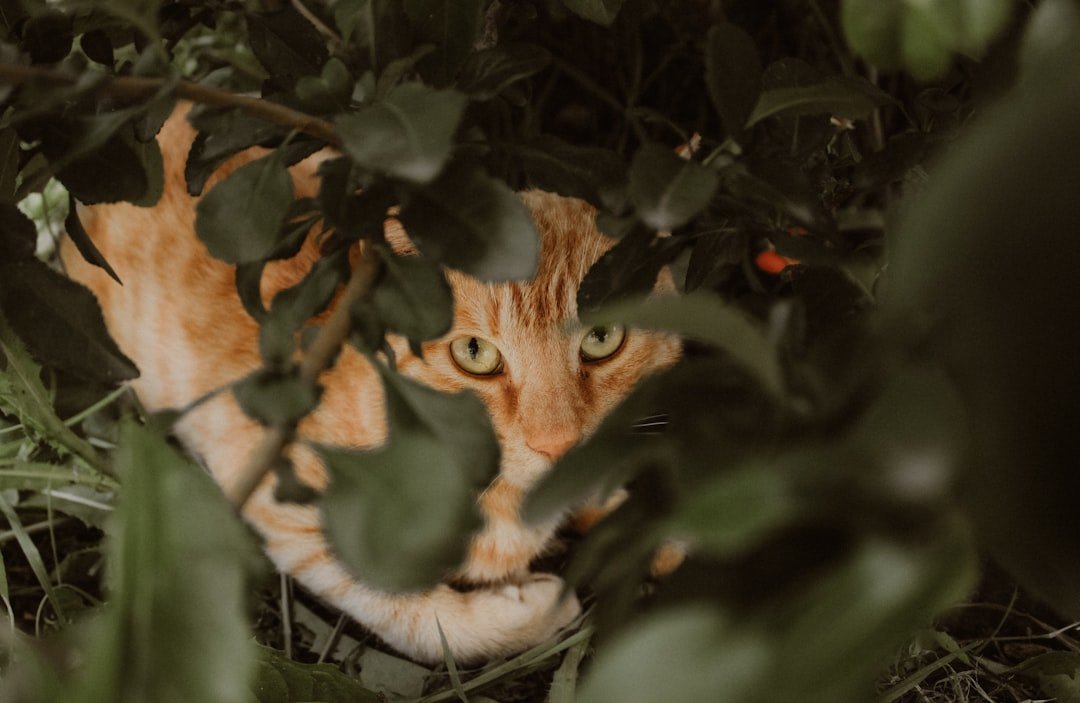
When you bring a cat into your home, you may encounter a range of personalities, from the outgoing and playful to the more reserved and shy. Understanding shyness in cats is crucial for fostering a harmonious relationship with your feline friend. Shyness can manifest in various ways, including hiding, avoiding eye contact, or being hesitant to approach you.
It’s essential to recognize that shyness is not a flaw but rather a personality trait that can stem from various factors, including genetics, early socialization experiences, and past traumas. As you observe your shy cat, you might notice that their behavior is often a reflection of their environment and experiences. Some cats may have been poorly socialized during their formative weeks, leading to a more timid disposition.
Others may have had negative encounters with humans or other animals that contribute to their anxiety. By understanding the root causes of your cat’s shyness, you can tailor your approach to help them feel more secure and confident in their surroundings.
Key Takeaways
- Shyness in cats stems from fear or past negative experiences and requires understanding.
- Creating a calm, secure environment helps shy cats feel safe and reduces anxiety.
- Patience, consistency, and positive reinforcement are key to building trust and encouraging socialization.
- Respecting a cat’s boundaries and personal space is essential for their comfort and confidence.
- Establishing routines, interactive play, and professional guidance can support a shy cat’s progress.
Creating a Safe Environment for Your Shy Cat
Creating a safe and comfortable environment is paramount for helping your shy cat thrive. Start by designating a quiet space in your home where your cat can retreat when feeling overwhelmed. This area should be equipped with cozy bedding, food and water bowls, and a litter box.
By providing a sanctuary, you allow your cat to feel secure and in control of their surroundings, which is essential for building their confidence. In addition to a safe space, consider minimizing loud noises and sudden movements that could startle your shy cat. Soft lighting and calming scents can also contribute to a peaceful atmosphere.
You might want to invest in pheromone diffusers or calming sprays designed specifically for cats. These products can help create a soothing environment that encourages relaxation and reduces anxiety, making it easier for your shy cat to explore their surroundings at their own pace.
Building Trust Through Patience and Consistency

Building trust with your shy cat requires patience and consistency. It’s important to remember that trust is not built overnight; it takes time for your cat to feel comfortable around you. Start by allowing your cat to approach you on their terms.
Sit quietly in the same room, read a book, or engage in a low-key activity while giving them the space they need. This non-threatening presence can help your cat associate you with safety and calmness. Consistency is key in this process.
Establishing a routine can help your shy cat feel more secure in their environment. Feed them at the same times each day, engage in gentle play sessions, and maintain a predictable schedule for grooming or other interactions. Over time, your cat will begin to recognize that you are a reliable source of comfort and care, which will foster a deeper bond between the two of you.
Using Positive Reinforcement to Encourage Socialization
Positive reinforcement is an effective tool for encouraging socialization in your shy cat. When your cat exhibits brave behavior—such as coming out of hiding or approaching you—reward them with treats, praise, or gentle petting. This approach reinforces the idea that interacting with you leads to positive outcomes, making them more likely to repeat those behaviors in the future.
You can also use toys as a form of positive reinforcement. Engage your shy cat with interactive toys that stimulate their natural hunting instincts. When they play or show interest in the toy, reward them with treats or verbal praise.
This not only encourages socialization but also helps build their confidence as they learn to associate playtime with positive experiences.
Respecting Your Cat’s Boundaries and Personal Space
Respecting your cat’s boundaries is crucial when working with a shy feline. Every cat has their own comfort zone, and it’s essential to recognize when they need space. If your cat retreats or shows signs of stress—such as flattening their ears or hissing—give them the time they need to feel safe again.
Pushing them too quickly can lead to setbacks in building trust and may even reinforce their shyness. Understanding body language is vital in this regard. Pay attention to your cat’s signals and respond accordingly.
If they seem curious but hesitant, allow them to approach you at their own pace. By respecting their boundaries, you demonstrate that you are attuned to their needs, which can significantly enhance their sense of security and trust in you.
Building a Routine to Establish Trust

Establishing a routine is an effective way to build trust with your shy cat. Cats are creatures of habit, and having a predictable schedule can help them feel more secure in their environment. Start by setting regular feeding times and sticking to them consistently.
This not only ensures that your cat receives proper nutrition but also creates a sense of stability that can ease anxiety. In addition to feeding schedules, incorporate daily activities that promote bonding and trust-building. Set aside time each day for gentle play sessions or quiet companionship where you simply sit together without any pressure for interaction.
Over time, these routines will help your shy cat understand that they can rely on you for comfort and companionship, fostering a deeper connection between the two of you.
Introducing Play and Interactive Activities
Play is an essential aspect of any cat’s life, but it can be particularly beneficial for shy cats as it encourages socialization and builds confidence. Introduce interactive toys that allow your cat to engage in play without feeling overwhelmed. Feather wands, laser pointers, or puzzle toys can stimulate their natural instincts while providing an opportunity for bonding.
As you engage in playtime with your shy cat, be mindful of their comfort level. Start slowly by allowing them to observe the toy from a distance before gradually bringing it closer. Celebrate small victories—if they take a step toward the toy or show interest in playing, reward them with praise or treats.
This positive reinforcement will help them associate playtime with enjoyable experiences, making them more likely to seek out interaction with you.
Seeking Professional Help if Needed
While many shy cats can thrive with patience and understanding, there may be instances where professional help is necessary. If your cat’s shyness escalates into severe anxiety or behavioral issues, consulting with a veterinarian or animal behaviorist can provide valuable insights and strategies tailored to your specific situation. These professionals can assess your cat’s behavior and recommend appropriate interventions or therapies.
In some cases, medication may be suggested as part of a comprehensive treatment plan for anxiety-related issues. While this option may seem daunting, it’s important to remember that medication can be an effective tool when combined with behavioral modification techniques. Seeking professional help ensures that you are taking the right steps toward helping your shy cat feel safe and secure in their environment.
In conclusion, understanding and addressing shyness in cats requires patience, empathy, and dedication on your part as a pet owner. By creating a safe environment, building trust through consistent interactions, using positive reinforcement, respecting boundaries, establishing routines, introducing playtime, and seeking professional guidance when necessary, you can help your shy feline flourish into a confident companion. Remember that every small step forward is progress; celebrate these moments as you embark on this rewarding journey together with your beloved pet.