




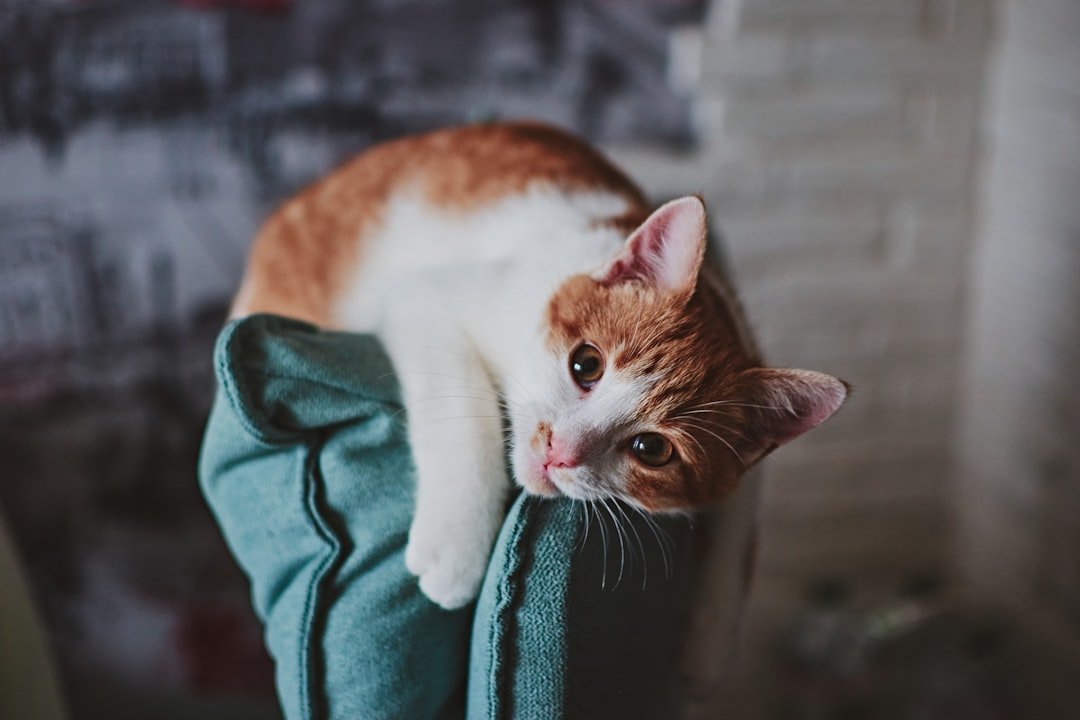
When you bring a rescue cat into your home, it’s essential to recognize the signs of anxiety that may manifest as they adjust to their new environment. Cats are creatures of habit, and any change can be stressful for them. You might notice behaviors such as excessive hiding, vocalization, or even aggression.
These signs can indicate that your new feline friend is feeling overwhelmed or insecure. Pay close attention to their body language; a cat that is anxious may have flattened ears, a twitching tail, or dilated pupils. Understanding these signals is the first step in helping your rescue cat feel more at ease.
In addition to physical signs, you may also observe changes in your cat’s eating and grooming habits. An anxious cat might stop eating altogether or eat less than usual, which can lead to further health issues. Conversely, some cats may overeat as a coping mechanism.
Grooming behaviors can also change; you might see excessive grooming leading to bald patches or a complete lack of grooming, resulting in a disheveled coat. By being vigilant and observant, you can identify these signs early on and take steps to alleviate your cat’s anxiety.
Key Takeaways
- Recognize anxiety signs in rescue cats to address their needs effectively.
- Create a safe, comfortable environment with hiding spots and vertical spaces.
- Establish a consistent routine to help your cat feel secure and reduce stress.
- Use calming aids like pheromone diffusers, calming music, and positive reinforcement.
- Be patient, gentle, and seek professional help if anxiety continues.
Creating a safe and comfortable environment for your rescue cat
Creating a safe and comfortable environment is crucial for helping your rescue cat settle in. Start by designating a quiet space in your home where your cat can retreat when feeling overwhelmed. This area should be away from loud noises and high traffic, allowing your cat to feel secure.
You might consider using a cozy bed, blankets, and even some of their favorite toys to make this space inviting. The goal is to create a sanctuary where your cat can feel safe and relaxed. In addition to a designated safe space, consider the overall layout of your home.
Cats thrive in environments that offer both comfort and stimulation. Ensure that there are plenty of soft surfaces for them to lounge on and areas where they can observe their surroundings without feeling threatened. You might also want to minimize sudden movements or loud noises in the home, as these can be particularly distressing for an anxious cat.
By taking these steps, you can help foster a sense of security that will encourage your rescue cat to explore and engage with their new environment.
Establishing a routine to help your rescue cat feel secure
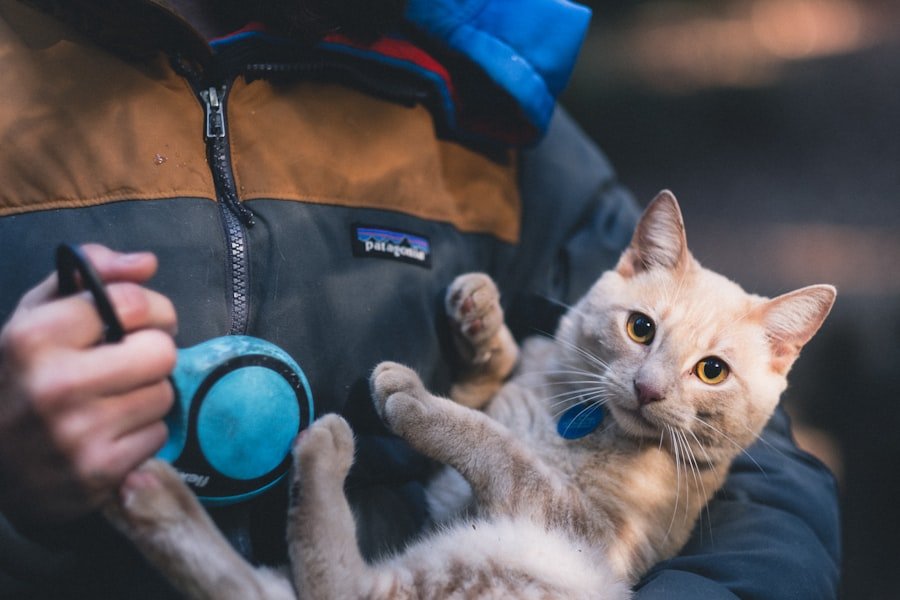
Establishing a routine is another effective way to help your rescue cat feel secure in their new home. Cats are creatures of habit, and having a predictable schedule can significantly reduce their anxiety levels. You might start by setting regular feeding times, play sessions, and quiet times throughout the day.
This consistency will help your cat understand what to expect, making them feel more at ease in their surroundings. In addition to feeding and playtime, consider incorporating grooming into your daily routine. Regular brushing not only helps keep your cat’s coat healthy but also provides an opportunity for bonding.
As you establish this routine, be mindful of your cat’s reactions and adjust as necessary. If they seem particularly anxious during certain activities, it may be helpful to modify the routine until they become more comfortable. Over time, this structure will help your rescue cat develop trust in you and their new environment.
Using calming techniques such as pheromone diffusers and calming music
To further support your rescue cat’s emotional well-being, consider utilizing calming techniques such as pheromone diffusers and soothing music. Pheromone diffusers release synthetic versions of the calming pheromones that mother cats produce, which can help create a sense of safety and comfort for your anxious feline. You can place these diffusers in areas where your cat spends most of their time, allowing them to benefit from the calming effects throughout the day.
In addition to pheromones, playing calming music specifically designed for cats can also be beneficial. Research has shown that certain types of music can have a soothing effect on felines, helping to reduce stress and anxiety levels. You might create a playlist of gentle melodies or find recordings specifically tailored for cats.
Playing this music during quiet times or when you notice your cat is feeling particularly anxious can create a serene atmosphere that encourages relaxation.
Providing plenty of hiding spots and vertical space for your rescue cat
Cats are natural explorers and often seek out hiding spots when they feel anxious or threatened. Providing plenty of hiding places in your home will give your rescue cat the option to retreat when they need some alone time. You might consider using cardboard boxes, cat trees with enclosed spaces, or even blankets draped over furniture to create cozy nooks where your cat can feel secure.
These hiding spots will allow them to observe their surroundings from a safe distance while still feeling protected. Vertical space is equally important for your rescue cat’s well-being. Cats love to climb and perch up high, as it gives them a sense of control over their environment.
Installing shelves or providing tall cat trees can encourage this natural behavior while also giving your cat a place to escape if they feel overwhelmed. By offering both hiding spots and vertical spaces, you create an environment that caters to your rescue cat’s instincts, helping them feel more at home.
Using positive reinforcement and gentle handling to build trust
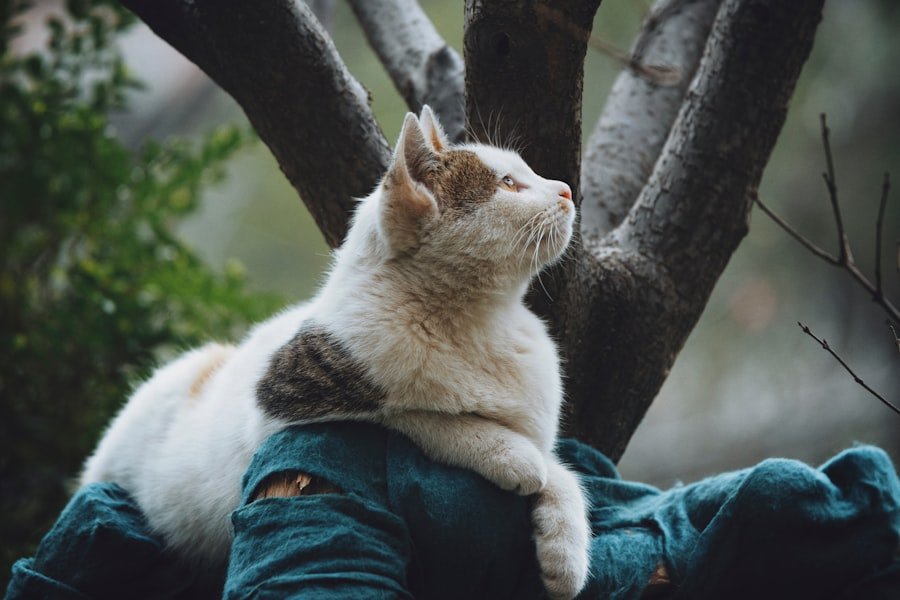
Building trust with your rescue cat is essential for helping them overcome anxiety. One effective way to do this is through positive reinforcement techniques. Whenever your cat exhibits calm behavior or approaches you willingly, reward them with treats or gentle praise.
This approach reinforces the idea that being near you is a positive experience, encouraging them to seek out your company more often. Gentle handling is equally important in building trust with your rescue cat. Always approach them slowly and allow them to come to you on their terms.
Avoid sudden movements or loud noises that could startle them. When you do interact with your cat, use soft voices and gentle strokes to create a calming experience. Over time, as they learn that they are safe with you, their anxiety will likely decrease, allowing for a deeper bond between you both.
Seeking professional help if your rescue cat’s anxiety persists
If you find that your rescue cat’s anxiety persists despite your best efforts, it may be time to seek professional help. A veterinarian or animal behaviorist can provide valuable insights into your cat’s behavior and recommend appropriate interventions tailored to their specific needs. They may suggest behavioral therapy techniques or even medication if necessary.
It’s important not to feel discouraged if progress seems slow; every cat is unique and may require different approaches to overcome anxiety. A professional can help you navigate these challenges and provide guidance on how to create the most supportive environment for your furry friend.
Being patient and understanding as your rescue cat adjusts to their new home
Finally, patience and understanding are key components in helping your rescue cat adjust to their new home. Remember that transitioning from a shelter or previous environment can be overwhelming for any animal, especially one that has experienced trauma or instability in the past. Allowing them the time they need to acclimate is crucial; rushing the process may lead to increased anxiety.
As you navigate this journey together, celebrate small victories along the way—whether it’s your cat exploring a new area of the house or approaching you for affection. These moments signify progress and should be cherished as part of the bonding experience between you and your rescue cat. With time, love, and understanding, you will witness the transformation of an anxious feline into a confident companion who feels truly at home with you.