




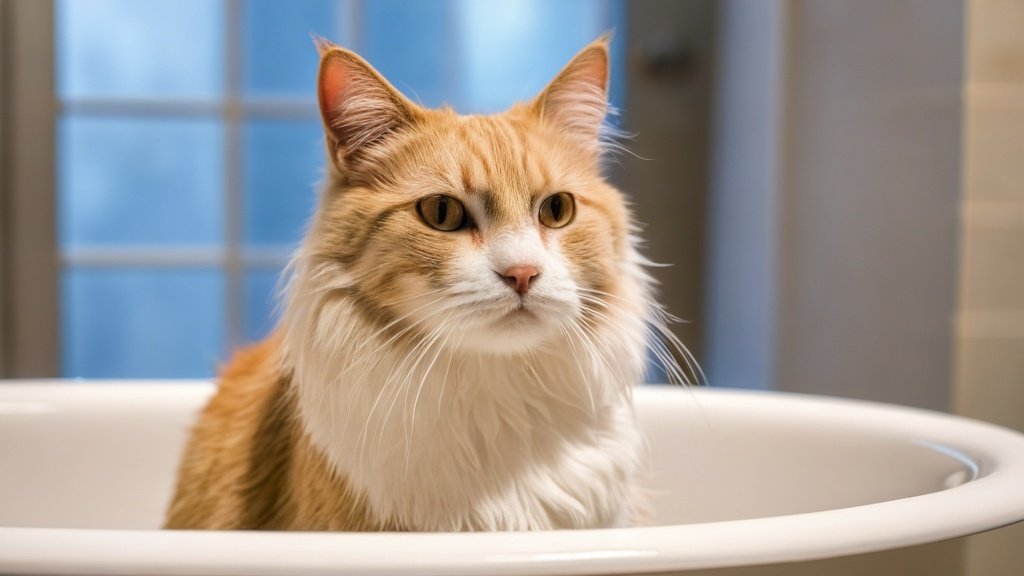
As a cat owner, you may have noticed that your feline friend exhibits a strong aversion to water. This fear is not uncommon among cats and can be attributed to their evolutionary background. Unlike dogs, who have been domesticated for thousands of years and often enjoy splashing around in water, cats have retained many of their wild instincts.
In the wild, cats are not typically exposed to large bodies of water, and their survival often depends on avoiding situations that could lead to danger. This instinctual behavior can manifest as a fear of water, making bath time a stressful experience for both you and your pet. Understanding the root of your cat’s fear is crucial in addressing it effectively.
Cats are creatures of habit and thrive in environments where they feel safe and secure. When faced with water, they may feel vulnerable and anxious, leading to resistance or even aggressive behavior. Recognizing these feelings can help you approach the situation with empathy and patience.
By taking the time to understand your cat’s perspective, you can create a more positive experience during bath time, ultimately fostering a stronger bond between you and your furry companion.
Key Takeaways
- Cats often fear water due to unfamiliarity and sensitivity to wet sensations.
- Prepare a calm, safe bathing area with non-slip surfaces to reduce stress.
- Use cat-friendly shampoos and gentle tools designed for feline grooming.
- Introduce water slowly, allowing your cat to get used to it at their own pace.
- Keep your cat calm with soothing tones and gentle handling throughout the bath.
Preparing the bathing area
Before you even think about introducing your cat to water, it’s essential to prepare the bathing area properly. A calm and organized environment can significantly reduce your cat’s anxiety levels. Start by selecting a suitable location, such as a bathroom or laundry room, where you can control the noise and distractions.
Ensure that the area is free from any potential hazards, such as slippery surfaces or sharp objects that could cause injury during the bathing process. Once you’ve chosen the right spot, gather all the necessary supplies to make the experience as smooth as possible. This includes a non-slip mat for the bottom of the tub or sink, towels for drying, and any grooming tools you may need.
Having everything within reach will minimize the time spent away from your cat, which can help keep them calm. Additionally, consider using a gentle, soothing scent in the room, such as lavender or chamomile, to create a more relaxing atmosphere. By taking these steps to prepare the bathing area, you set the stage for a more positive experience for both you and your cat.
Using the right tools and products
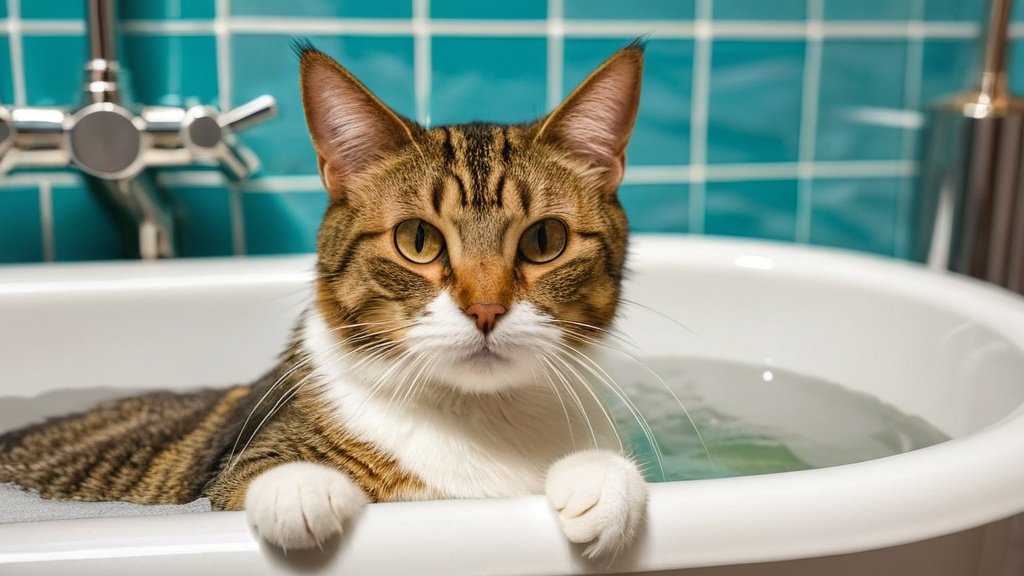
Equipping yourself with the right tools and products is vital for a successful bath time experience. Start by selecting a cat-friendly shampoo that is specifically formulated for felines. Human shampoos can be too harsh for your cat’s sensitive skin and may lead to irritation or allergic reactions.
Look for products that are free from sulfates and parabens, as these ingredients can be harmful to your pet. Additionally, consider using a waterless shampoo or wipes if your cat is particularly resistant to water; these alternatives can help keep your cat clean without the stress of a full bath. In addition to shampoo, having the right grooming tools on hand can make a significant difference in how your cat responds to bath time.
A soft brush or comb can help remove loose fur and tangles before introducing water, making the process smoother overall. If your cat has long hair, consider using a detangling spray to ease any knots before bathing. Furthermore, having a gentle spray nozzle or cup for rinsing can help you control the flow of water, ensuring that it doesn’t overwhelm your cat.
By using appropriate tools and products, you can create a more comfortable bathing experience for your furry friend.
Introducing your cat to water gradually
When it comes to helping your cat overcome their fear of water, patience is key. Instead of plunging them directly into a bath, take a gradual approach to introduce them to water. Start by allowing your cat to explore the bathing area at their own pace.
You might place them near the tub or sink while it’s dry, letting them sniff around and become familiar with their surroundings. This initial exposure can help reduce anxiety when it comes time for the actual bath. Once your cat seems comfortable in the bathing area, you can begin introducing small amounts of water.
Consider using a shallow basin filled with just an inch or two of lukewarm water. Allow your cat to investigate this new element at their own pace; they may choose to dip their paws in or simply observe from a distance. If they show interest, gently encourage them by offering treats or praise when they interact with the water.
This gradual introduction will help build their confidence and reduce their fear over time.
Keeping your cat calm during the bath
Bath time can be a stressful experience for both you and your cat, but there are several strategies you can employ to keep your feline friend calm throughout the process. First and foremost, speak softly and reassuringly to your cat during the bath. Your voice can provide comfort and reassurance, helping them feel more secure in an unfamiliar situation.
Additionally, consider playing soft music in the background; calming sounds can create a soothing atmosphere that helps alleviate anxiety. Another effective technique is to use treats as positive reinforcement during bath time. Before you even begin bathing your cat, offer them treats to create positive associations with the bathing area.
During the bath itself, reward them with treats for remaining calm or for any positive behavior they exhibit. This approach not only distracts them from their fear but also reinforces good behavior, making future baths easier for both of you.
Drying and comforting your cat after the bath
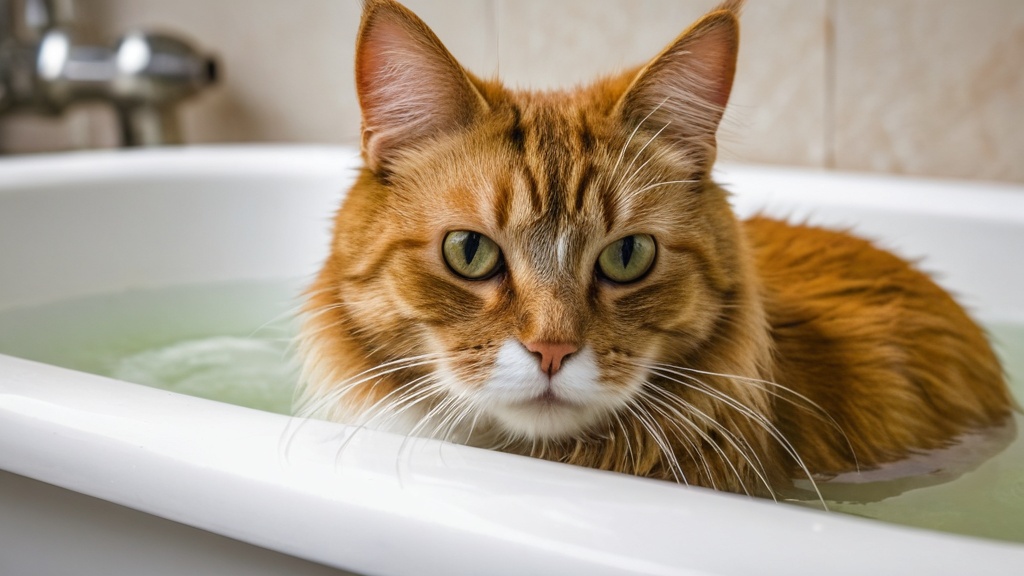
Once you’ve successfully bathed your cat, it’s essential to focus on drying them off and providing comfort afterward. Cats often dislike being wet, so having a plan in place for drying them quickly can help ease their discomfort. Use a soft towel to gently pat them dry, being careful not to rub too vigorously as this may cause further stress.
If your cat tolerates it, consider using a low-heat setting on a hairdryer from a safe distance; however, always prioritize their comfort and avoid any loud noises that could frighten them. After drying your cat, take some time to comfort them with gentle petting or cuddling if they are receptive to it. This post-bath bonding time is crucial for reinforcing positive associations with water and bath time in general.
You might also offer them their favorite treat or toy as a reward for getting through the experience. By providing comfort and reassurance after the bath, you help alleviate any lingering anxiety and strengthen your bond with your furry companion.
Building positive associations with water
To help your cat overcome their fear of water in the long run, it’s essential to build positive associations with it outside of bath time. One way to do this is by incorporating playtime with water-related activities into their routine. For instance, consider using shallow dishes filled with water and floating toys that they can bat at or chase after.
This playful interaction allows them to engage with water in a fun and non-threatening way. Additionally, you might try introducing your cat to other forms of water exposure that are less intimidating than baths. For example, if you have access to a safe outdoor space, consider allowing them to explore shallow puddles or even a kiddie pool filled with just an inch of water.
Always supervise these interactions closely and ensure that they feel comfortable at all times. By consistently providing positive experiences related to water, you can help reshape your cat’s perception and reduce their fear over time.
Seeking professional help if needed
Despite your best efforts, some cats may still struggle with an intense fear of water that makes bath time nearly impossible. If you’ve tried various techniques without success or if your cat exhibits extreme anxiety or aggression during baths, it may be time to seek professional help. Consulting with a veterinarian or an animal behaviorist can provide valuable insights into your cat’s specific fears and offer tailored strategies for addressing them.
A professional can assess whether there are underlying issues contributing to your cat’s fear of water and recommend appropriate interventions or training techniques. In some cases, they may suggest desensitization exercises or even medication to help manage anxiety during bath time. Remember that every cat is unique; what works for one may not work for another.
Seeking expert guidance ensures that you are taking the best approach for your individual feline friend while prioritizing their well-being throughout the process. In conclusion, understanding and addressing your cat’s fear of water requires patience, preparation, and empathy. By creating a calm bathing environment, using appropriate tools and products, introducing water gradually, and providing comfort throughout the process, you can help ease their anxiety over time.
Building positive associations with water through play and seeking professional help when necessary will further support your efforts in making bath time a more enjoyable experience for both you and your beloved pet.