



When you welcome a long-haired cat into your home, you are not just adopting a pet; you are embracing a unique set of needs that come with their luxurious coats. Long-haired cats, such as Persians, Maine Coons, and Ragdolls, possess beautiful fur that requires special attention. Their coats can be a source of pride and beauty, but they also come with challenges that you must be prepared to face.
Understanding these needs is crucial for ensuring your feline friend remains healthy and happy. One of the primary needs of long-haired cats is proper grooming. Their fur can easily become matted and tangled if not cared for regularly.
This not only affects their appearance but can also lead to skin issues and discomfort. Additionally, long-haired cats are more prone to hairballs due to the amount of fur they ingest while grooming themselves. By understanding these specific needs, you can take proactive steps to maintain your cat’s coat and overall well-being, ensuring that they thrive in your care.
Key Takeaways
- Long-haired cats require regular grooming to prevent matting and maintain coat health.
- Brushing frequency varies but generally should be done several times a week.
- Watch for signs like tangles, excessive shedding, or discomfort to increase brushing frequency.
- Factors such as age, activity level, and coat condition influence how often brushing is needed.
- Professional grooming can complement home care and help manage difficult coats.
The importance of regular grooming for long-haired cats
Regular grooming is essential for long-haired cats, as it helps to prevent matting and tangling of their fur. When you groom your cat consistently, you are not only keeping their coat looking its best but also promoting healthy skin underneath. Grooming removes dirt, debris, and loose hair, which can accumulate and lead to skin irritations or infections if left unattended.
By incorporating grooming into your routine, you are actively contributing to your cat’s health and comfort. Moreover, grooming serves as an excellent bonding experience between you and your long-haired cat. As you brush their fur, you provide them with affection and attention, which can strengthen your relationship.
Many cats enjoy the sensation of being groomed, and it can even be a calming activity for them. This shared time can help build trust and create a deeper connection, making grooming not just a necessity but also a cherished part of your daily interactions.
Frequency of brushing for long-haired cats
Determining how often to brush your long-haired cat can depend on several factors, including their specific breed, coat type, and individual grooming needs. Generally speaking, it is advisable to brush long-haired cats at least two to three times a week. However, some cats may require daily brushing to keep their coats in optimal condition.
The more frequently you brush your cat, the less likely you are to encounter issues like matting or excessive shedding. If your long-haired cat has a particularly thick or dense coat, you may find that daily brushing is necessary to prevent tangles from forming. Conversely, if your cat has a finer coat or is less prone to matting, you might be able to get away with brushing them less frequently.
Pay attention to your cat’s coat condition and adjust your grooming schedule accordingly. By being attentive to their needs, you can ensure that their fur remains healthy and manageable.
Signs that your long-haired cat needs more frequent brushing
As a responsible cat owner, it’s essential to recognize the signs that indicate your long-haired cat may need more frequent brushing. One of the most obvious signs is the presence of mats or tangles in their fur. If you notice any areas where the hair is clumped together or feels rough to the touch, it’s time to step up your grooming routine.
Mats can pull on the skin and cause discomfort for your cat, so addressing them promptly is crucial. Another sign that your cat may need more frequent brushing is an increase in shedding. If you find more fur around your home than usual or notice that your cat is leaving clumps of hair on furniture or clothing, it could be an indication that they are not effectively removing loose hair through grooming.
Additionally, if your cat seems to be grooming themselves more often than usual or appears restless and uncomfortable, it may be time to increase the frequency of brushing sessions to help them manage their coat better.
Factors that may affect the frequency of brushing for long-haired cats
Several factors can influence how often you should brush your long-haired cat. One significant factor is the season; during warmer months, many cats shed more as they prepare for summer. This increased shedding may necessitate more frequent brushing sessions to keep their coats under control.
Conversely, during colder months, your cat may require less frequent grooming as their coat becomes denser and less prone to tangling. Another factor to consider is your cat’s age and health status. Kittens and younger cats may have more manageable coats that require less frequent grooming compared to older cats who may have health issues affecting their ability to groom themselves effectively.
Additionally, if your cat has any underlying health conditions or mobility issues, they may need extra help with grooming. Always take these factors into account when determining the best brushing schedule for your long-haired feline companion.
Tips for brushing a long-haired cat
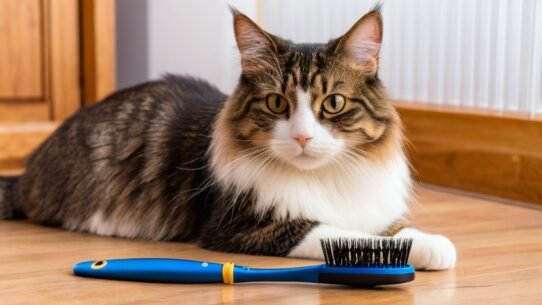
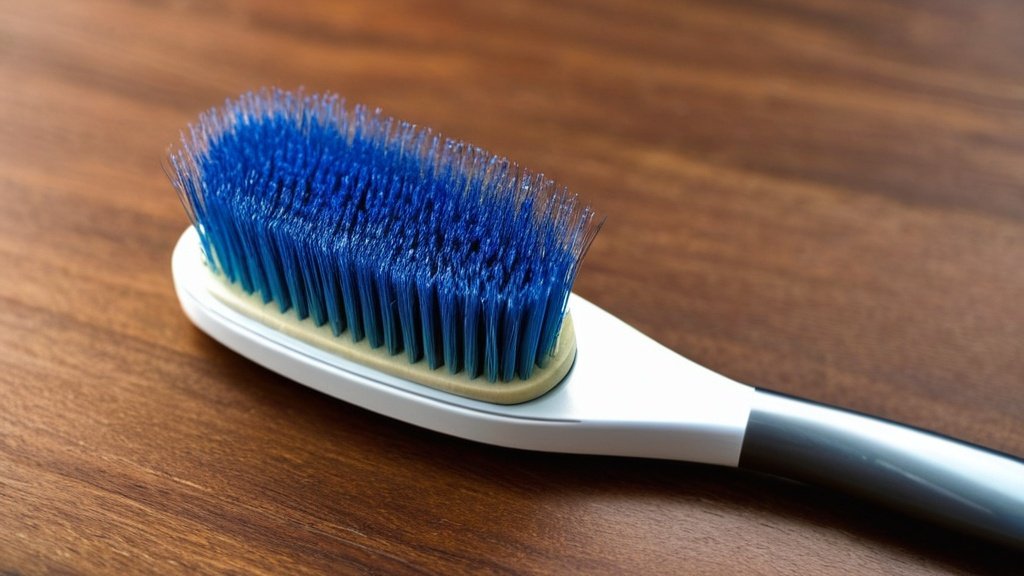
Brushing a long-haired cat can be a rewarding experience if done correctly. To make the process smoother for both you and your cat, start by choosing the right tools. A wide-toothed comb or a slicker brush is often ideal for detangling long fur without causing discomfort.
Make sure to select tools that are specifically designed for cats to ensure safety and effectiveness. When you begin brushing, choose a quiet and comfortable space where your cat feels secure. Start slowly by allowing them to sniff the brush before introducing it to their fur.
Use gentle strokes and be mindful of sensitive areas such as the belly and tail. If your cat becomes agitated or restless during brushing sessions, take breaks and offer treats or praise to create positive associations with grooming. Patience is key; over time, your cat will likely become more accustomed to the process.
Professional grooming for long-haired cats
While regular at-home grooming is essential for maintaining your long-haired cat’s coat, there may be times when professional grooming is beneficial. Professional groomers have the experience and tools necessary to handle even the most challenging mats and tangles effectively. They can also provide services such as bathing and nail trimming that may be difficult for you to manage on your own.
If you’re considering professional grooming for your long-haired cat, look for groomers who specialize in feline care. It’s important to choose someone who understands the unique needs of long-haired breeds and can provide a gentle and stress-free experience for your pet. Regular visits to a professional groomer can complement your at-home grooming routine and help keep your cat’s coat in top condition.
finding the right brushing routine for your long-haired cat
In conclusion, finding the right brushing routine for your long-haired cat is essential for their health and happiness. By understanding their unique needs and recognizing the importance of regular grooming, you can create a schedule that works best for both you and your feline friend. Pay attention to signs that indicate when more frequent brushing is necessary and consider factors such as seasonality and health status when determining how often to groom.
With patience and the right techniques, brushing can become an enjoyable bonding experience between you and your long-haired cat. Whether you choose to groom at home or seek professional assistance, prioritizing their grooming needs will ensure that they remain comfortable and healthy throughout their lives. Embrace this responsibility with love and care, knowing that each brushing session contributes to the well-being of your cherished companion.