



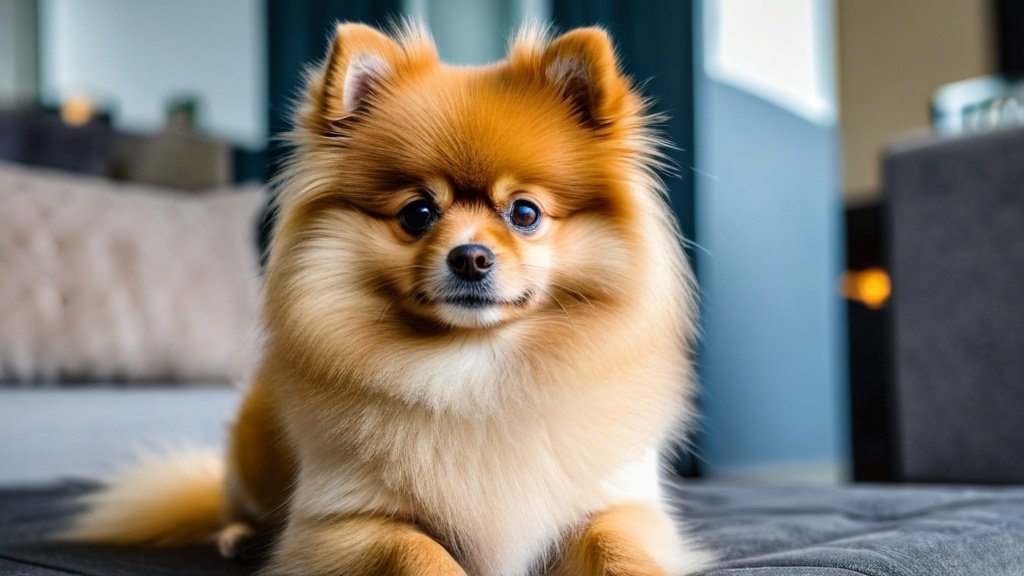
The Pomeranian breed has a rich and fascinating history that dates back several centuries. Originating from the larger Spitz-type dogs in the Arctic regions, these small, fluffy companions were named after the Pomerania region, which is now part of modern-day Poland and Germany. The breed was initially bred for herding and pulling sleds, showcasing their intelligence and agility.
Over time, as they made their way into the homes of European nobility, particularly in the 18th century, their size was selectively reduced, leading to the adorable toy-sized Pomeranians we know today. Queen Victoria of England played a pivotal role in popularizing the Pomeranian breed in the late 19th century. After falling in love with a small Pomeranian during her travels to Italy, she brought one back to England, sparking a trend among the aristocracy.
This royal endorsement led to an explosion in popularity, and soon, Pomeranians became a fashionable companion for the elite. Their charming personalities and striking appearance made them a favorite among dog lovers, and they quickly transitioned from working dogs to beloved pets.
Key Takeaways
- Pomeranians have a rich history, originating from the Pomerania region and evolving into popular companion dogs.
- They are known for their lively temperament, intelligence, and distinctive fluffy coat.
- Regular grooming is essential to maintain their thick fur and overall health.
- Early training and socialization help manage their energetic and sometimes stubborn nature.
- Pomeranians require moderate exercise and can serve effectively as therapy or emotional support animals.
Characteristics and Temperament of Pomeranians
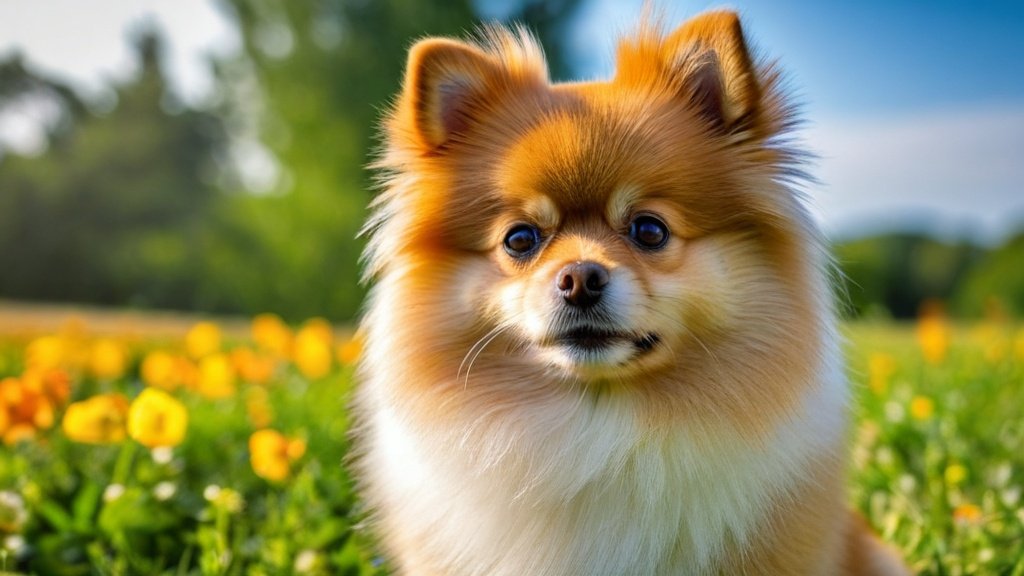
Pomeranians are known for their vibrant personalities and distinctive physical traits. Typically weighing between 3 to 7 pounds, these small dogs boast a fluffy double coat that comes in a variety of colors, including orange, black, cream, and blue. Their fox-like faces are adorned with bright, expressive eyes that reflect their spirited nature.
One of the most endearing characteristics of Pomeranians is their lively demeanor; they are often described as extroverted, playful, and full of energy. In terms of temperament, Pomeranians are known for their intelligence and curiosity. They are quick learners and thrive on mental stimulation, making them excellent candidates for training and interactive play.
However, their spirited nature can sometimes lead to stubbornness, so consistent training methods are essential. Despite their small size, Pomeranians often exhibit a bold attitude, making them excellent watchdogs. They are fiercely loyal to their families and can be quite protective, which adds to their charm as companions.
Pomeranian Care and Grooming
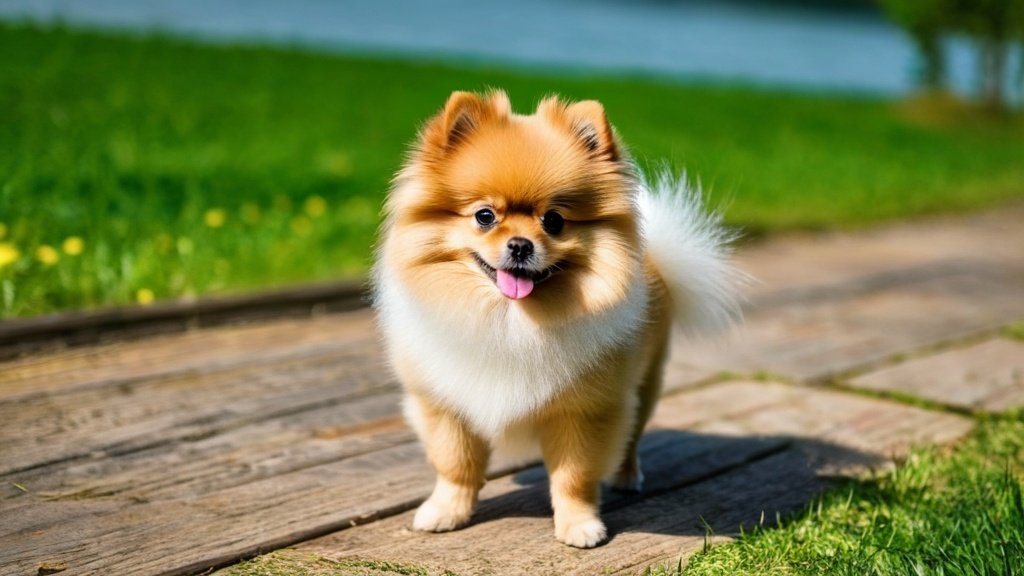
Caring for a Pomeranian requires commitment and attention to detail, particularly when it comes to grooming. Their thick double coat requires regular brushing to prevent matting and reduce shedding. Ideally, owners should brush their Pomeranians at least two to three times a week, with daily brushing during shedding seasons.
Bathing should be done every few months or as needed, using gentle dog shampoos to maintain the health of their skin and coat. In addition to grooming, regular veterinary check-ups are crucial for maintaining your Pomeranian’s overall health. Routine vaccinations, dental care, and parasite prevention should be part of your pet care regimen.
It’s also important to monitor their diet closely; high-quality dog food tailored to their specific needs will help keep them healthy and energetic. At Lovepetcare, we understand that busy pet owners may need assistance with grooming and care. Our professional pet sitters and dog walkers in LA and New York are trained to provide the best care for your Pomeranian while you focus on your daily responsibilities.
Training and Socialization for Pomeranians
| Training Aspect | Recommended Age | Duration per Session | Frequency per Week | Key Focus Areas | Expected Outcome |
|---|---|---|---|---|---|
| Basic Obedience | 8-12 weeks | 5-10 minutes | 5-7 times | Sit, Stay, Come, Heel | Improved responsiveness and control |
| Socialization | 8-16 weeks | 10-15 minutes | Daily | Exposure to people, pets, environments | Reduced fear and aggression |
| House Training | 8 weeks onwards | Varies (frequent short sessions) | Multiple times daily | Potty training, crate training | Consistent bathroom habits |
| Leash Training | 10-14 weeks | 5-10 minutes | 3-5 times | Walking on leash without pulling | Safe and controlled walks |
| Advanced Commands | 4-6 months | 10-15 minutes | 3-4 times | Roll over, fetch, stay longer | Enhanced obedience and mental stimulation |
Training and socialization are vital components of raising a well-adjusted Pomeranian. Due to their intelligence, these dogs respond well to positive reinforcement techniques such as treats and praise. Starting training early is essential; puppies are particularly receptive to learning commands and socializing with other dogs and people.
Basic obedience training should include commands like sit, stay, come, and heel, which will help establish good behavior patterns. Socialization is equally important for Pomeranians. Exposing them to various environments, people, and other animals will help them develop confidence and reduce anxiety in new situations.
Regular playdates with other dogs or visits to dog parks can provide valuable social experiences. At Lovepetcare, our experienced dog walkers can assist with socialization by introducing your Pomeranian to new friends during walks or play sessions. We believe that a well-socialized dog is a happy dog!
Health Concerns and Lifespan of Pomeranians
Like all breeds, Pomeranians are prone to certain health issues that potential owners should be aware of. Common concerns include dental problems due to their small mouths, patellar luxation (a knee joint issue), and heart conditions such as congestive heart failure. Regular veterinary check-ups can help catch these issues early on, ensuring your furry friend remains healthy throughout their life.
The average lifespan of a Pomeranian ranges from 12 to 16 years, which is relatively long compared to larger breeds. With proper care—including a balanced diet, regular exercise, and routine veterinary visits—many Pomeranians live well into their teens. At Lovepetcare, we prioritize your pet’s health by offering services that include regular check-ins during walks or visits from our pet sitters who can monitor any changes in behavior or health.
Pomeranian Exercise and Activity Needs
Despite their small size, Pomeranians have significant energy levels that require regular exercise to keep them happy and healthy. Daily walks are essential; they not only provide physical activity but also mental stimulation through exploration of their surroundings. A minimum of 30 minutes of exercise each day is recommended for these lively little dogs.
Engaging in interactive play sessions with toys or games like fetch can also help burn off excess energy. At Lovepetcare, we understand that busy schedules can make it challenging to meet your Pomeranian’s exercise needs. Our professional dog walkers are dedicated to providing tailored exercise routines that fit your pet’s unique requirements.
Whether it’s a brisk walk around the neighborhood or an adventurous romp in the park, we ensure your furry friend gets the activity they need while you focus on your day-to-day tasks.
Pomeranians as Therapy and Emotional Support Animals
Pomeranians have gained recognition as effective therapy and emotional support animals due to their affectionate nature and ability to bond closely with humans. Their small size makes them easy to handle and transport, allowing them to accompany their owners in various settings where emotional support may be needed. Many individuals find comfort in the presence of a Pomeranian during stressful times or when dealing with anxiety or depression.
The breed’s playful demeanor can bring joy and laughter into any environment, making them ideal companions for those seeking emotional support. Their loyalty and intuitive nature allow them to sense when their owners need extra comfort or companionship. At Lovepetcare, we appreciate the unique bond between humans and their pets; our services can help ensure that your Pomeranian is well-cared-for while you navigate life’s challenges.
Finding the Perfect Pomeranian for You
When considering adding a Pomeranian to your family, it’s essential to find the right match for your lifestyle and needs. Research reputable breeders or consider adopting from rescue organizations that specialize in this breed. It’s crucial to ask questions about the puppy’s health history, temperament, and socialization experiences before making a decision.
Once you’ve welcomed a Pomeranian into your home, remember that Lovepetcare is here to support you every step of the way! Our professional dog walkers and pet sitters in LA and New York are dedicated to providing exceptional care tailored specifically for your new furry friend. Whether you need assistance with training, socialization, or daily exercise routines, we are committed to ensuring that your Pomeranian thrives in a loving environment.
In conclusion, owning a Pomeranian can be an incredibly rewarding experience filled with love and companionship. By understanding their history, characteristics, care needs, and training requirements, you can provide a nurturing home for your new furry friend while enjoying all the benefits they bring into your life. With Lovepetcare by your side, you can rest assured that your beloved Pomeranian will receive the best care possible while you navigate your busy life in LA or New York!