



Trimming your cat’s nails is an essential aspect of responsible pet ownership that often goes overlooked. You may not realize it, but regular nail maintenance can significantly impact your cat’s overall health and well-being. Overgrown nails can lead to discomfort, pain, and even injury.
When a cat’s nails become too long, they can curl back into the paw pads, causing infections or other serious issues. By keeping your cat’s nails trimmed, you help prevent these complications and ensure that your feline friend remains comfortable and active. Moreover, regular nail trimming can also protect your home and belongings.
Cats have a natural instinct to scratch, which helps them keep their claws sharp and healthy. However, when their nails are too long, they can cause damage to furniture, carpets, and other household items. By maintaining a proper nail length, you not only safeguard your possessions but also create a more harmonious living environment for both you and your cat.
Understanding the importance of this grooming task is the first step toward ensuring a happy and healthy life for your furry companion.
Key Takeaways
- Regular nail trimming is essential for your cat’s health and comfort.
- Prepare all necessary tools beforehand to ensure a smooth trimming session.
- Keep your cat calm by creating a comfortable and stress-free environment.
- Learn to identify the quick to avoid causing pain or bleeding during trimming.
- Always reward your cat afterward to reinforce positive behavior and care.
Gathering the necessary tools and supplies
Before you embark on the nail-trimming journey with your cat, it’s crucial to gather the right tools and supplies. Having everything you need at hand will make the process smoother and less stressful for both you and your pet. The most essential tool is a pair of cat nail clippers.
There are various types available, including scissor-style clippers and guillotine-style clippers. You may want to experiment with different styles to find the one that feels most comfortable for you and works best for your cat’s nails. In addition to nail clippers, consider having a nail file or grinder on hand for any rough edges that may remain after trimming.
A styptic powder or cornstarch is also advisable in case you accidentally cut into the quick, which is the sensitive part of the nail that contains blood vessels and nerves. Having treats nearby can also be beneficial; rewarding your cat during and after the process can help create a positive association with nail trimming. By preparing adequately with the right tools, you set the stage for a successful grooming session.
Creating a calm and comfortable environment for your cat
Creating a serene atmosphere is vital when it comes to trimming your cat’s nails. Cats are sensitive creatures, and any signs of stress or anxiety can make the process much more challenging. Start by choosing a quiet space in your home where your cat feels safe and secure.
This could be a cozy corner of a room or even a favorite spot on the couch. Make sure to eliminate any distractions, such as loud noises or other pets that might cause your cat to feel uneasy. You might also consider using calming aids to help soothe your cat before the trimming session.
Feline pheromone sprays or diffusers can create a sense of tranquility in the environment. Additionally, spending some time petting and playing with your cat before you begin can help them relax and feel more at ease. By taking these steps to create a calm and comfortable environment, you increase the likelihood of a successful nail-trimming experience.
Properly restraining your cat during the nail trimming process
Once you’ve set the stage for a peaceful grooming session, it’s time to focus on how to properly restrain your cat during the nail trimming process. It’s essential to ensure that your cat feels secure without causing them undue stress or fear. One effective method is to gently wrap your cat in a towel, leaving only one paw exposed at a time.
This technique not only keeps them from squirming but also provides them with a sense of security. If your cat is particularly squirmy or anxious, you might want to enlist the help of another person to hold them gently but firmly while you trim their nails. Make sure that whoever is holding the cat is calm and confident, as cats can pick up on human emotions.
Speak softly to your cat throughout the process, reassuring them that everything is okay. By using proper restraint techniques, you can minimize movement and make the nail trimming process more efficient.
Identifying the quick and avoiding it while trimming
One of the most critical aspects of trimming your cat’s nails is knowing how to identify the quick and avoid cutting into it. The quick is the pinkish area within the nail that contains blood vessels and nerves; cutting into it can cause pain and bleeding. For cats with light-colored nails, identifying the quick is relatively straightforward since it’s visible through the nail.
However, if your cat has dark nails, it may be more challenging to see where the quick ends. To avoid cutting into the quick, it’s best to trim only small amounts of nail at a time. Start by trimming just the tip of the nail and gradually work your way back until you see a darker area in the nail that indicates you’re nearing the quick.
If you’re unsure, it’s always better to err on the side of caution and trim less rather than risk causing pain to your cat. By being mindful of where the quick is located, you can ensure a safer and more comfortable experience for both you and your feline friend.
Trimming techniques for different types of nails
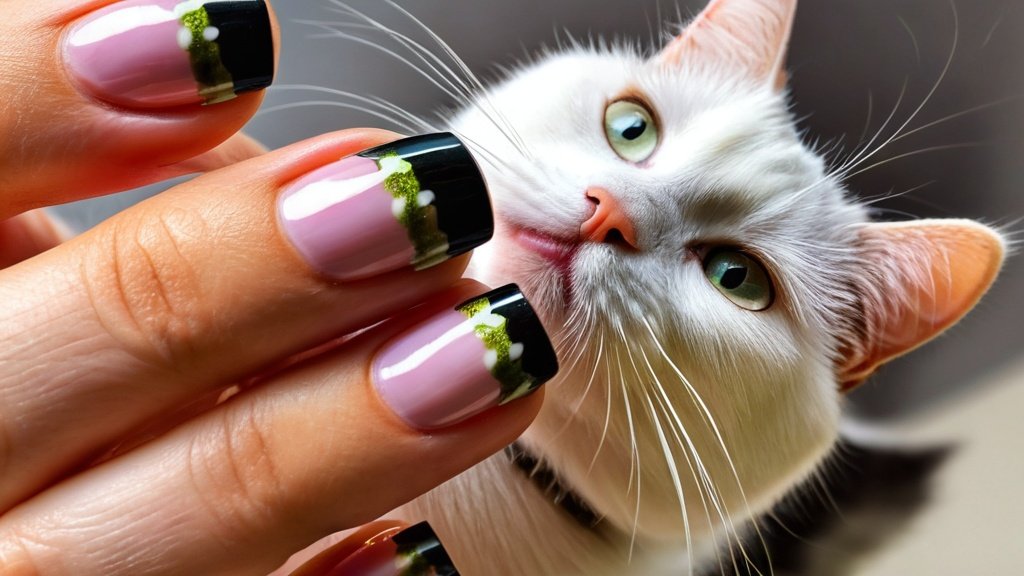
Cats come in all shapes and sizes, and so do their nails! Depending on your cat’s breed or age, their nails may vary in thickness and texture. For instance, older cats may have thicker nails that require more effort to trim compared to younger cats with softer nails.
Understanding these differences will help you adapt your trimming technique accordingly. For cats with thicker nails, using a high-quality pair of clippers designed for larger claws can make a significant difference. You may need to apply slightly more pressure when cutting through tougher nails but be cautious not to apply too much force as this could lead to an accidental cut into the quick.
On the other hand, if you’re dealing with softer nails, you might find that they require less pressure and can be trimmed more quickly. Regardless of your cat’s nail type, always prioritize comfort and safety during the trimming process.
Dealing with any potential accidents or complications
Even with careful preparation and execution, accidents can happen during nail trimming sessions. If you accidentally cut into the quick, it’s essential to remain calm and address the situation promptly. First, apply gentle pressure to stop any bleeding; if necessary, use styptic powder or cornstarch to help clot the blood quickly.
It’s crucial not to panic; your cat will likely be startled but will recover once you’ve taken care of the injury. If your cat becomes overly stressed or agitated during the process, it may be best to take a break rather than forcing through it. Allow them some time to calm down before attempting again later or even on another day if needed.
Remember that patience is key; rushing through this process can lead to complications for both you and your pet. By being prepared for potential accidents or complications, you can handle them effectively while ensuring your cat remains safe.
Rewarding your cat and providing post-trim care
After successfully trimming your cat’s nails, it’s essential to reward them for their cooperation and bravery throughout the process. Positive reinforcement goes a long way in creating a favorable association with nail trimming sessions in the future. Treats are an excellent way to show appreciation; offer them immediately after finishing each paw or at the end of the entire session as a reward for their good behavior.
In addition to treats, consider spending some quality time with your cat after their grooming session. Engage in their favorite activities—whether it’s playing with a toy or simply cuddling on the couch—this will help reinforce positive feelings about grooming experiences. Furthermore, keep an eye on their paws in the days following trimming; check for any signs of irritation or discomfort that may arise from cutting too close to the quick or from any accidental injuries during trimming.
By providing post-trim care and rewards, you foster trust between you and your feline companion while ensuring they feel loved and cared for after each grooming session.