



Cleaning your cat’s ears is an essential aspect of pet care that often goes overlooked. Just like humans, cats can accumulate dirt, wax, and debris in their ears, which can lead to discomfort and potential health issues. Regular ear cleaning helps to prevent infections and other complications that can arise from neglecting this important task.
By maintaining your cat’s ear hygiene, you not only promote their overall well-being but also strengthen the bond between you and your feline friend. Moreover, cats are naturally adept at grooming themselves, but they may not always reach every nook and cranny of their ears. This is particularly true for certain breeds with unique ear shapes or those with long fur that can trap dirt and moisture.
By taking the initiative to clean your cat’s ears, you are ensuring that they remain healthy and free from irritants. This proactive approach can save you from costly veterinary bills down the line and keep your cat feeling comfortable and happy.
Key Takeaways
- Regular ear cleaning is essential for maintaining a cat’s ear health and preventing infections.
- Watch for signs like redness, odor, or excessive scratching to identify ear problems early.
- Natural solutions, such as diluted apple cider vinegar, can be safely used for cleaning a cat’s ears.
- Gently restrain your cat to ensure a calm and safe ear cleaning process.
- Seek professional veterinary help if you notice persistent issues or if your cat shows signs of pain during cleaning.
Identifying signs of ear problems in cats
Recognizing the signs of ear problems in your cat is crucial for timely intervention. One of the most common indicators is excessive scratching or rubbing of the ears. If you notice your cat frequently pawing at their ears or shaking their head, it may be a sign that something is amiss.
Additionally, pay attention to any unusual odors emanating from their ears, as this can indicate an infection or buildup of wax and debris. Another sign to watch for is the presence of discharge. If you see any brown, yellow, or black substance in your cat’s ears, it could be a sign of ear mites or an infection.
Furthermore, observe your cat’s behavior; if they seem more irritable or withdrawn than usual, it may be due to discomfort caused by ear issues. By being vigilant and attentive to these signs, you can take action early and ensure your cat receives the care they need.
Preparing a natural ear cleaning solution for cats
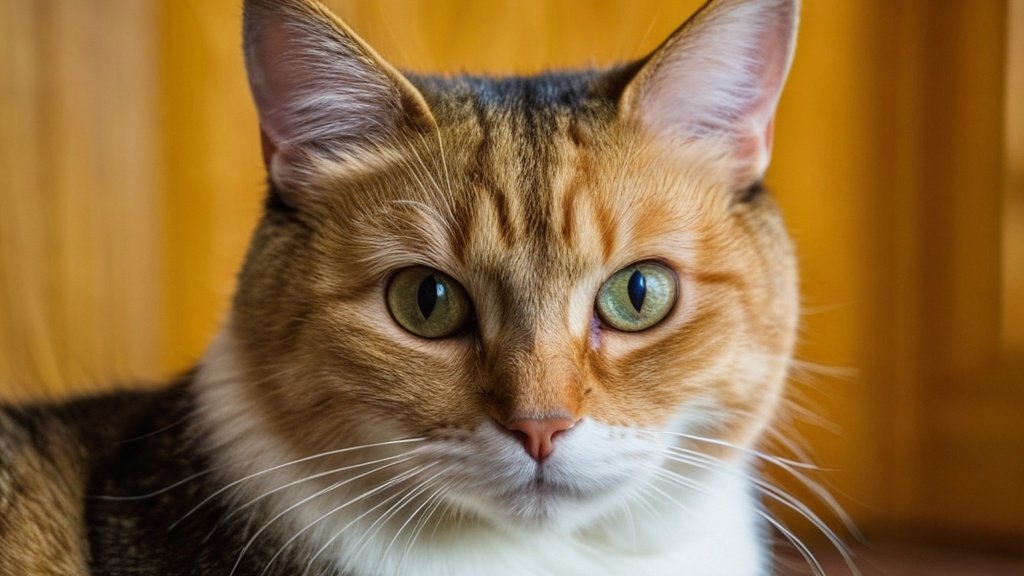
Creating a natural ear cleaning solution for your cat is a simple yet effective way to maintain their ear hygiene. One popular recipe involves mixing equal parts of apple cider vinegar and water. Apple cider vinegar has natural antibacterial and antifungal properties, making it an excellent choice for cleaning your cat’s ears without harsh chemicals.
Before using this solution, ensure that your cat does not have any open wounds or severe irritation in their ears, as vinegar can cause discomfort in such cases. Another option is to use a mixture of witch hazel and water. Witch hazel is known for its soothing properties and can help reduce inflammation while cleaning the ears.
To prepare this solution, combine one part witch hazel with two parts water. Whichever solution you choose, make sure to store it in a clean container and shake it well before each use. This way, you can ensure that the ingredients are well mixed and ready to effectively clean your cat’s ears.
Gently restraining your cat for ear cleaning
When it comes to cleaning your cat’s ears, gentle restraint is key to ensuring both your safety and your cat’s comfort. Start by choosing a quiet space where your cat feels secure. You may want to place them on a stable surface, such as a table or countertop, where they won’t feel wobbly or unstable.
It’s important to remain calm and speak softly to reassure your cat throughout the process. To gently restrain your cat, consider wrapping them in a towel, leaving only their head exposed. This technique not only prevents sudden movements but also provides a sense of security for your feline friend.
If your cat becomes agitated or tries to escape, take a break and allow them to relax before attempting again. Patience is essential; rushing the process can lead to stress for both you and your cat.
Step-by-step guide to cleaning a cat’s ears naturally
Once you’ve prepared your natural ear cleaning solution and have gently restrained your cat, it’s time to begin the cleaning process. Start by applying a few drops of the solution into one of your cat’s ears. Be careful not to overfill; just enough to moisten the ear canal will suffice.
After applying the solution, gently massage the base of the ear for about 20-30 seconds. This helps to loosen any debris or wax buildup inside. Next, allow your cat to shake their head if they wish; this natural instinct can help dislodge any loosened debris.
Afterward, use a soft cotton ball or gauze pad to wipe away any visible dirt or wax from the outer part of the ear. Avoid using cotton swabs, as they can push debris further into the ear canal and potentially cause injury. Repeat this process on the other ear, ensuring that you are thorough yet gentle throughout.
Tips for maintaining healthy ears in cats
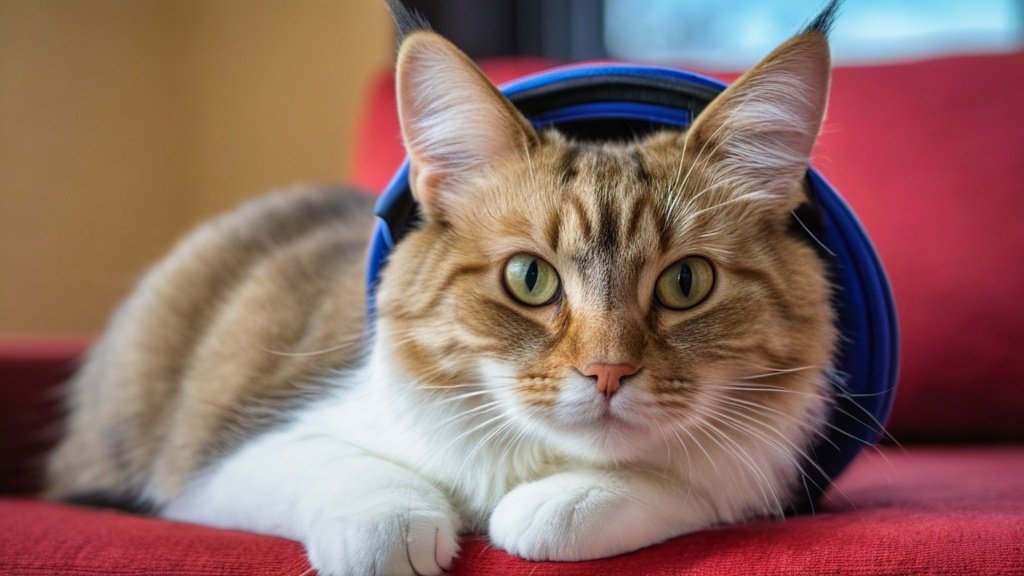
Maintaining healthy ears in cats goes beyond occasional cleaning; it involves regular monitoring and preventive care. One effective tip is to incorporate ear checks into your routine grooming sessions. By regularly inspecting your cat’s ears for signs of dirt or irritation, you can catch potential issues early on.
Make it a habit to look for any unusual odors or discharge during these checks. Additionally, consider incorporating a balanced diet rich in omega fatty acids into your cat’s meals. These nutrients can promote healthy skin and coat, which in turn supports overall ear health.
Regularly brushing your cat’s fur can also help reduce the amount of dander and debris that may find its way into their ears. By being proactive about their ear health, you can help ensure that your feline companion remains comfortable and free from issues.
When to seek professional help for ear cleaning
While regular at-home ear cleaning is beneficial, there are times when seeking professional help is necessary. If you notice persistent signs of discomfort in your cat despite regular cleaning—such as excessive scratching, head shaking, or foul odors—it may be time to consult a veterinarian. They can perform a thorough examination and determine if there are underlying issues such as infections or parasites that require medical treatment.
Additionally, if you observe any swelling or redness in the ear canal, do not hesitate to seek professional assistance. These symptoms could indicate an infection that needs prompt attention. Remember that while you can manage routine cleaning at home, some situations require the expertise of a veterinarian to ensure your cat receives appropriate care.
Preventing ear problems in cats through regular cleaning
Preventing ear problems in cats is largely achievable through consistent care and attention. Regular cleaning not only helps remove dirt and wax but also allows you to monitor for any changes that could indicate health issues. By establishing a routine cleaning schedule—ideally every few weeks—you can significantly reduce the risk of infections and other complications.
In addition to regular cleaning, maintaining a clean living environment for your cat is crucial. Ensure that their bedding is washed frequently and that their living space is free from dust and allergens that could irritate their ears. By combining these practices with regular veterinary check-ups, you can create a comprehensive approach to keeping your cat’s ears healthy and happy for years to come.
In conclusion, taking care of your cat’s ears is an integral part of responsible pet ownership. By understanding the importance of ear hygiene, recognizing signs of potential problems, preparing natural cleaning solutions, and following proper techniques for cleaning, you can ensure that your feline friend remains comfortable and healthy. With regular maintenance and vigilance, you can prevent many common ear issues and provide your beloved pet with the best possible care.