





When you observe a shift in your pet’s behavior, it can be a clear indicator that something is amiss. Pets, much like humans, experience a range of emotions and can react to stressors in their environment. You might notice that your once playful dog is now lethargic, or your cat, who used to greet you at the door, is now hiding under the bed.
These changes can stem from various factors, including changes in your household, new pets, or even alterations in your daily routine. It’s essential to pay attention to these behavioral shifts, as they can provide valuable insights into your pet’s emotional state. Moreover, behavioral changes can manifest in numerous ways.
For instance, if your dog suddenly becomes overly clingy or anxious when you leave the house, it may be experiencing separation anxiety. Alternatively, if your cat starts to exhibit aggressive behavior towards other pets or even you, it could be a sign of stress or discomfort. Understanding these changes is crucial for addressing the underlying issues and ensuring your pet feels safe and secure in its environment.
By being observant and responsive to these behavioral cues, you can help your pet navigate its emotional landscape more effectively.
Key Takeaways
- Stress in pets often leads to noticeable changes in behavior and physical signs.
- Altered eating habits and excessive grooming can indicate underlying stress.
- Pets may hide or avoid interaction when feeling anxious or uncomfortable.
- Increased vocalization and litter box problems are common stress responses.
- Aggression and destructive actions can be signs of significant distress.
Physical Signs of Stress
Physical manifestations of stress in pets can often be subtle yet telling. You may notice that your pet’s body language has changed; for example, a dog might tuck its tail between its legs or flatten its ears against its head. Cats may exhibit similar signs by crouching low to the ground or avoiding eye contact.
These physical indicators are often the first signs that your pet is feeling overwhelmed or anxious. Recognizing these signs early on can help you take proactive measures to alleviate their stress. In addition to changes in posture and body language, other physical signs may include excessive panting, drooling, or trembling.
You might also observe changes in their fur; for instance, a stressed pet may shed more than usual or develop skin irritations due to excessive scratching or biting. Monitoring these physical signs is essential for understanding your pet’s emotional well-being. If you notice any concerning changes, consulting with a veterinarian can provide further insights and potential solutions to help your pet cope with stress.
Changes in Eating Habits
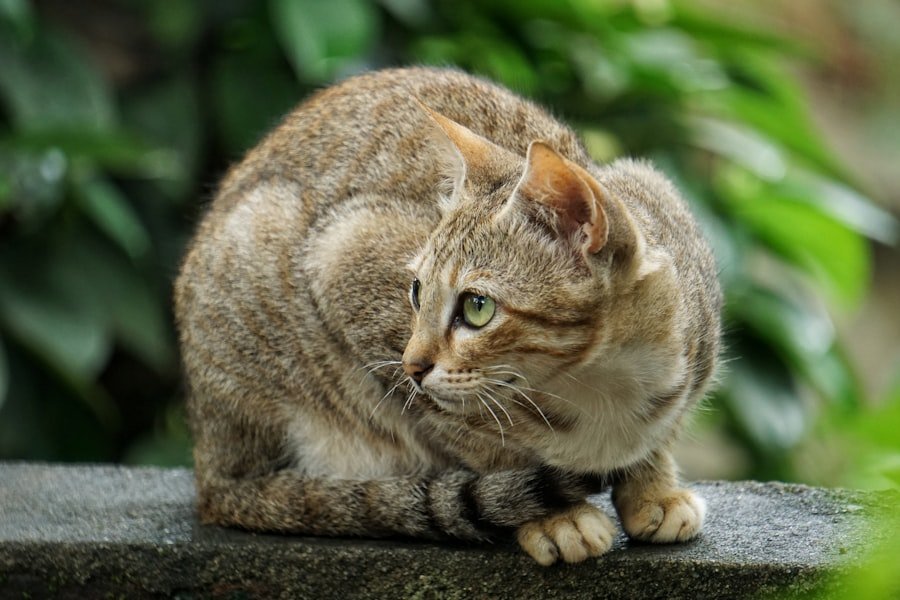
Your pet’s eating habits can serve as a significant indicator of its emotional state. If you find that your dog is suddenly disinterested in its food or that your cat is leaving meals untouched, it could be a sign of stress or anxiety. Changes in appetite can manifest in various ways; some pets may eat less due to stress, while others might overeat as a coping mechanism.
It’s crucial to monitor these changes closely, as they can lead to health issues if not addressed promptly. Additionally, you may notice that your pet’s eating routine has altered significantly. For instance, a dog that used to eagerly await mealtime might now seem indifferent or even fearful of its food bowl.
Cats may begin to eat in secret or only at odd hours when they feel safe. These shifts can be distressing for both you and your pet, highlighting the importance of creating a calm and stable environment. By ensuring that mealtimes are stress-free and consistent, you can help encourage healthy eating habits and alleviate some of the anxiety your pet may be experiencing.
Hiding or Avoidance
Hiding or avoidance behaviors are common responses to stress in pets. If you notice that your dog has taken to retreating to a quiet corner of the house or that your cat is spending more time under the bed than usual, it’s essential to recognize these behaviors as potential signs of distress. Pets often seek out safe spaces when they feel overwhelmed, and this instinctual behavior is their way of coping with anxiety.
Understanding this need for solitude can help you create a more supportive environment for your furry friend. Moreover, avoidance behaviors can extend beyond hiding. You might find that your pet is less willing to engage in activities it once enjoyed, such as playing fetch or exploring the backyard.
This withdrawal can be concerning, as it indicates that your pet may not feel secure in its surroundings. To help alleviate this stress, consider providing a designated safe space where your pet can retreat when feeling anxious. This area should be quiet and comfortable, allowing your pet to feel secure while still being part of the household.
Excessive Grooming
Excessive grooming is another behavior that can signal stress in pets. If you notice that your cat is spending an unusual amount of time grooming itself or that your dog is licking its paws obsessively, it may be a sign of anxiety or discomfort. This behavior often serves as a coping mechanism for pets dealing with stress; they may groom themselves excessively as a way to self-soothe.
While grooming is a natural behavior for pets, when it becomes excessive, it can lead to skin irritations and other health issues. In addition to physical consequences, excessive grooming can also indicate underlying emotional distress. For instance, if your cat is pulling out its fur or developing bald patches, it’s crucial to address the root cause of this behavior.
Stressors such as changes in the household environment or conflicts with other pets can contribute to this excessive grooming. By identifying and mitigating these stressors, you can help restore your pet’s sense of calm and well-being.
Vocalization
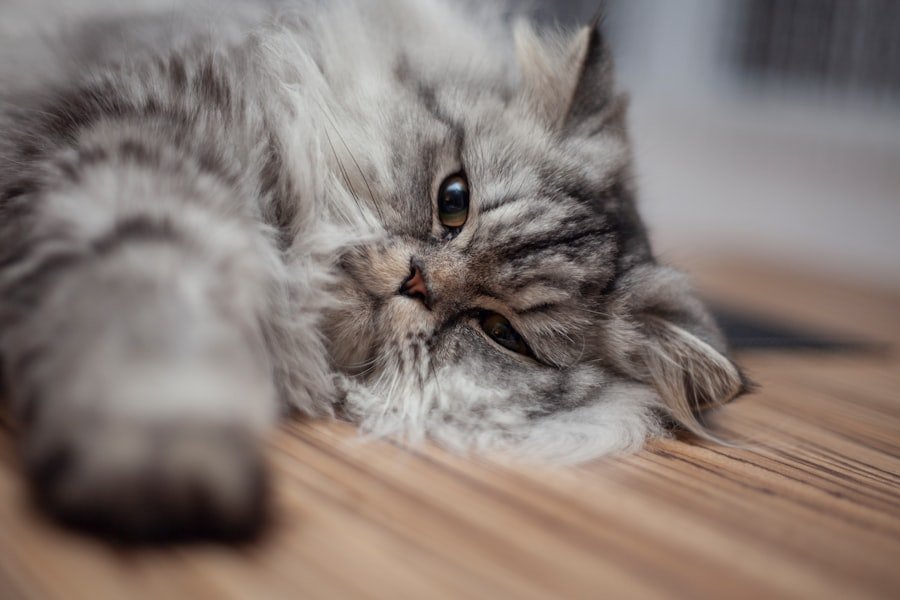
Vocalization is another way pets express their feelings, and changes in their vocal patterns can indicate stress or anxiety. If you find that your dog is barking more than usual or that your cat is meowing incessantly, it’s essential to pay attention to these changes. Increased vocalization can be a cry for help; your pet may be trying to communicate its discomfort or seek reassurance from you.
Understanding the context behind these vocalizations is key to addressing their underlying causes. Additionally, some pets may resort to vocalization as a means of expressing frustration or fear. For example, a dog left alone for extended periods may bark out of loneliness or anxiety about being separated from its owner.
Similarly, a cat that feels threatened by new pets or changes in its environment may vocalize more frequently as a way of asserting itself or seeking attention. By responding appropriately to these vocalizations—whether through reassurance, training, or environmental adjustments—you can help alleviate some of the stress your pet may be experiencing.
Litter Box Issues
Litter box issues are often one of the most noticeable signs of stress in cats. If your feline friend suddenly starts avoiding the litter box or begins urinating outside of it, it could indicate underlying anxiety or discomfort. Various factors can contribute to this behavior; changes in the household environment, new pets, or even health issues can all play a role in causing stress for your cat.
It’s crucial to address these issues promptly to prevent further complications. Moreover, litter box problems can also stem from the type of litter used or the location of the box itself. Cats are particular creatures; they may refuse to use a litter box if they find it unclean or if they dislike the litter’s texture or scent.
Additionally, if the litter box is placed in a high-traffic area or near loud noises, it may deter your cat from using it altogether. By ensuring that the litter box is clean and located in a quiet, accessible area, you can help reduce stress and encourage positive bathroom habits.
Aggression or Destructive Behavior
Aggression and destructive behavior are often alarming signs of stress in pets. If you notice that your dog has become more aggressive towards other animals or even family members, it’s essential to take this behavior seriously. Aggression can stem from fear or anxiety; when pets feel threatened or overwhelmed, they may resort to aggressive behaviors as a means of self-defense.
Understanding the triggers behind this aggression is crucial for addressing the issue effectively. Similarly, destructive behavior—such as chewing furniture or scratching walls—can also indicate stress in pets. When animals are anxious or bored, they may engage in destructive activities as an outlet for their pent-up energy and frustration.
This behavior not only damages property but also reflects an underlying emotional struggle that needs attention. Providing appropriate outlets for exercise and mental stimulation can help mitigate these destructive tendencies while fostering a healthier emotional state for your pet. In conclusion, recognizing the signs of stress in pets is vital for ensuring their well-being and happiness.
By being attentive to changes in behavior, physical signs of stress, eating habits, hiding tendencies, excessive grooming, vocalization patterns, litter box issues, and aggression or destructive behavior, you can take proactive steps to support your furry friend through challenging times. Creating a stable and nurturing environment will not only help alleviate their stress but also strengthen the bond between you and your beloved companion.