



As a cat owner, you may often find yourself pondering the best diet for your feline friend. With the plethora of commercial cat food options available, it can be overwhelming to choose the right one. However, have you ever considered the benefits of preparing homemade cat food?
Making your own cat food allows you to have complete control over the ingredients, ensuring that your pet receives a nutritious and balanced diet tailored to their specific needs. This article will guide you through the essentials of homemade cat food, from its benefits to simple recipes and nutritional guidelines. Homemade cat food is not just a trend; it’s a thoughtful approach to pet care that many cat owners are adopting.
By preparing meals at home, you can avoid the fillers and artificial additives often found in commercial products. You can also cater to your cat’s unique dietary requirements, whether they have allergies, sensitivities, or specific health conditions. As you delve into the world of homemade cat food, you’ll discover that it can be both rewarding and beneficial for your beloved companion.
Key Takeaways
- Homemade cat food allows pet owners to control ingredients and ensure freshness.
- Benefits include improved digestion, fewer allergies, and tailored nutrition for cats.
- Essential ingredients include high-quality protein, fats, vitamins, and minerals.
- Simple recipes often combine cooked meats, vegetables, and supplements for balanced meals.
- Careful preparation and consultation with a vet are crucial to avoid nutritional deficiencies and health risks.
Benefits of Homemade Cat Food
One of the most significant advantages of homemade cat food is the ability to control the quality of ingredients. When you prepare meals for your cat, you can select fresh, high-quality proteins, vegetables, and grains that are free from harmful additives. This not only enhances the nutritional value of their diet but also promotes overall health and well-being.
You may find that your cat has more energy, a shinier coat, and improved digestion when fed a diet rich in wholesome ingredients. Another benefit is the customization aspect. Every cat is unique, with different preferences and dietary needs.
By making your own cat food, you can tailor recipes to suit your pet’s taste and health requirements. For instance, if your cat is allergic to certain proteins or grains, you can easily substitute those ingredients with alternatives that are safe and nutritious. This level of personalization can lead to a happier and healthier pet, as they enjoy meals that are specifically designed for them.
Basic Ingredients for Homemade Cat Food
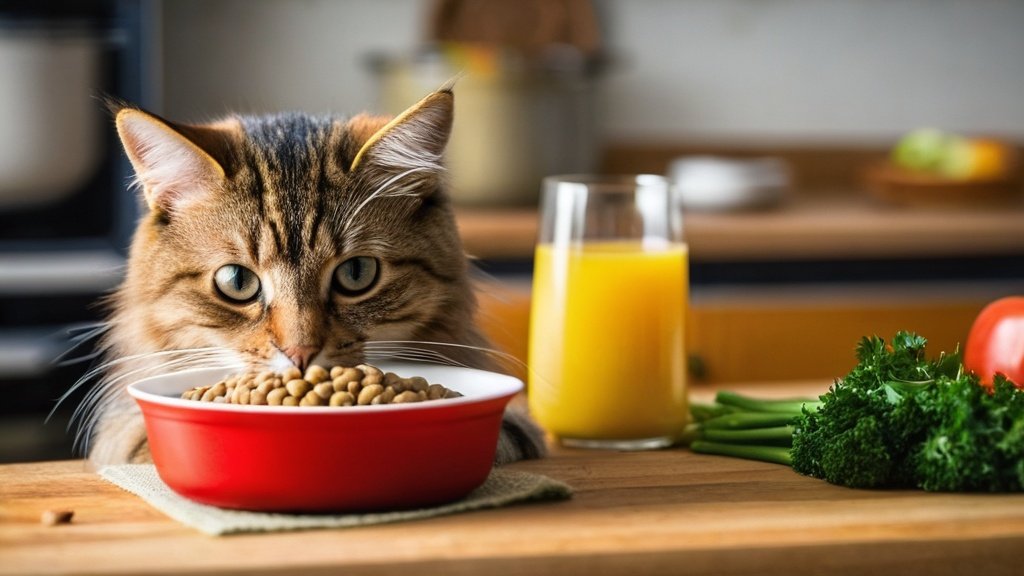
When embarking on your journey to create homemade cat food, it’s essential to understand the basic ingredients that should be included in your recipes. Cats are obligate carnivores, meaning their diet must primarily consist of meat. High-quality protein sources such as chicken, turkey, beef, or fish should form the foundation of your homemade meals.
These proteins provide essential amino acids that are crucial for your cat’s growth and maintenance. In addition to protein, incorporating healthy fats is vital for your cat’s overall health. Fats provide energy and support various bodily functions.
You can include sources like fish oil or chicken fat in moderation. Furthermore, while cats do not require carbohydrates in their diet as much as humans do, small amounts of vegetables can be beneficial. Ingredients like carrots, peas, or pumpkin can add fiber and essential vitamins without overwhelming their digestive system.
Simple Homemade Cat Food Recipes
| Recipe Name | Main Ingredients | Preparation Time | Protein Content (%) | Suitable for Cats Aged |
|---|---|---|---|---|
| Chicken & Rice Delight | Chicken breast, cooked rice, carrots | 30 minutes | 45% | Adult cats |
| Salmon & Pumpkin Mix | Cooked salmon, pumpkin puree, peas | 25 minutes | 50% | Adult cats |
| Turkey & Sweet Potato Blend | Ground turkey, sweet potato, green beans | 35 minutes | 48% | Kittens and adults |
| Beef & Spinach Medley | Lean ground beef, spinach, carrots | 30 minutes | 47% | Adult cats |
| Egg & Cheese Scramble | Eggs, shredded cheese, cooked peas | 15 minutes | 40% | Adult cats |
Creating homemade cat food doesn’t have to be complicated. Here are a couple of simple recipes that you can try at home. The first recipe is a basic chicken and rice dish.
Start by cooking one cup of brown rice according to package instructions. In a separate pan, boil two chicken breasts until fully cooked, then shred the meat into small pieces. Combine the shredded chicken with the cooked rice and add a tablespoon of fish oil for healthy fats.
Allow the mixture to cool before serving it to your cat. Another easy recipe involves tuna and pumpkin. Begin by draining a can of tuna in water and placing it in a bowl.
Add half a cup of canned pumpkin (not the spiced pie filling) and mix well. You can also include a tablespoon of olive oil for added nutrition. This recipe is not only simple but also packed with flavor that most cats will love.
Remember to introduce new foods gradually to avoid upsetting your cat’s stomach.
Nutritional Guidelines for Homemade Cat Food
When preparing homemade cat food, it’s crucial to adhere to nutritional guidelines to ensure that your pet receives a balanced diet. Cats require specific nutrients in their meals, including proteins, fats, vitamins, and minerals. A general rule of thumb is that a cat’s diet should consist of approximately 70-80% protein, with the remaining percentage made up of fats and carbohydrates.
Additionally, consider incorporating supplements into your homemade recipes to fill any nutritional gaps. Taurine is an essential amino acid that cats cannot produce on their own and must be included in their diet. You may also want to add vitamin E and calcium supplements to ensure your cat receives all necessary nutrients.
Consulting with a veterinarian or a pet nutritionist can help you create a well-rounded meal plan tailored specifically for your feline friend.
Tips for Making Homemade Cat Food
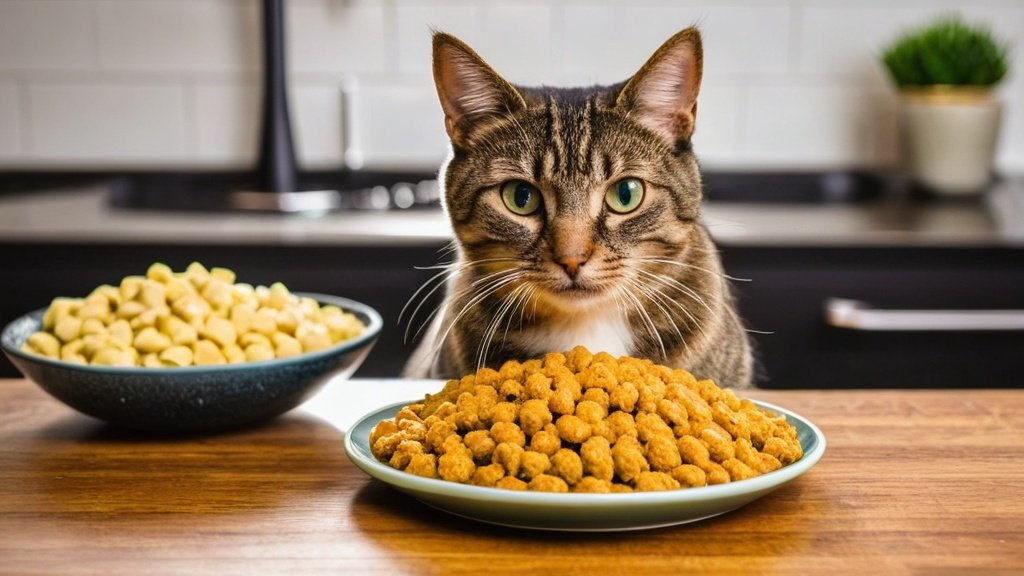
As you embark on making homemade cat food, there are several tips that can help streamline the process and ensure success. First and foremost, always prioritize hygiene in your kitchen. Just as you would when preparing food for yourself or your family, wash your hands and all cooking utensils thoroughly before handling any ingredients for your cat.
Another helpful tip is to batch-cook meals and store them properly for convenience. You can prepare several days’ worth of food at once and store it in airtight containers in the refrigerator or freezer. This not only saves time but also ensures that you always have fresh meals ready for your cat.
When serving homemade food, remember to gradually transition from commercial food to homemade options to prevent digestive upset.
Precautions and Risks of Homemade Cat Food
While there are numerous benefits to homemade cat food, it’s essential to be aware of potential risks and precautions associated with this practice. One significant concern is ensuring that the meals are nutritionally balanced. Without proper knowledge or guidance, it’s easy to overlook essential nutrients that your cat needs for optimal health.
This is why consulting with a veterinarian or pet nutritionist is highly recommended before making any drastic changes to your cat’s diet. Additionally, be cautious about using certain ingredients that may be harmful to cats. Foods like onions, garlic, chocolate, and grapes are toxic to felines and should never be included in their meals.
Always research any new ingredient before adding it to your recipes, and keep an eye on your cat’s reaction when introducing new foods.
Conclusion and Additional Resources
In conclusion, making homemade cat food can be a rewarding endeavor that enhances your pet’s health and happiness. By taking control of what goes into their meals, you can provide a nutritious diet tailored specifically for their needs while avoiding harmful additives found in many commercial products. As you explore this journey, remember to prioritize balance and consult with professionals when necessary.
For those interested in further exploring homemade cat food options, numerous resources are available online and in print. Websites dedicated to pet nutrition often provide valuable insights into ingredient selection and meal planning. Additionally, consider joining forums or social media groups where fellow cat owners share their experiences and recipes for homemade meals.
With the right knowledge and preparation, you can ensure that your feline friend enjoys delicious and healthy meals made with love.