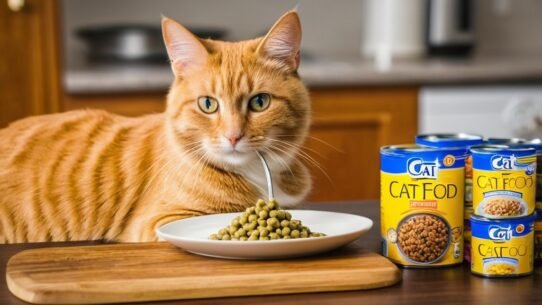




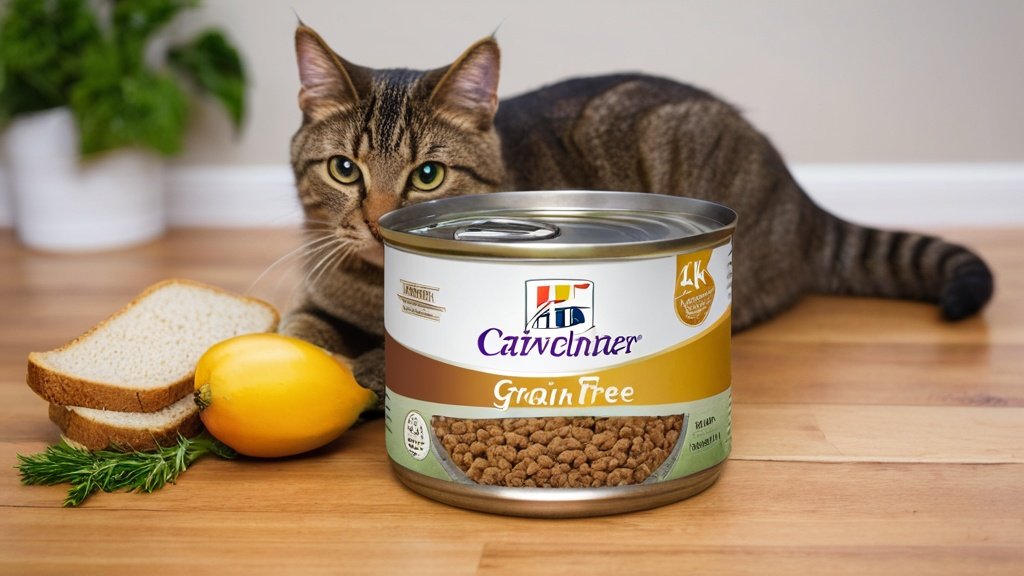
When it comes to your feline friend’s diet, you may have encountered the term “grain-free” more frequently in recent years. Grain-free cat food is formulated without traditional grains such as wheat, corn, and soy, which are often found in many commercial cat foods. Instead, these diets typically rely on alternative sources of carbohydrates, such as peas, potatoes, or lentils.
The idea behind grain-free diets is rooted in the belief that cats, being obligate carnivores, thrive on a diet that mimics their natural prey, which is primarily composed of meat and animal-based proteins. As you delve deeper into the world of grain-free cat food, it’s essential to understand that not all grain-free options are created equal. Some brands may still include high levels of carbohydrates from non-grain sources, which can be misleading.
Therefore, it’s crucial to read labels carefully and choose products that prioritize high-quality protein sources while minimizing unnecessary fillers. By doing so, you can ensure that your cat receives a balanced diet that supports their overall health and well-being.
Key Takeaways
- Grain-free cat food eliminates grains to better suit cats’ natural dietary needs.
- Benefits include improved digestion, reduced allergies, and healthier skin and coat.
- Transition gradually to grain-free food to avoid digestive upset.
- Be aware of misconceptions; grain-free is not always superior for every cat.
- Homemade grain-free recipes can be nutritious but require careful balance of nutrients.
Benefits of Grain-Free Cat Food for Feline Health
One of the primary benefits of grain-free cat food is its potential to improve digestion. Many cats are sensitive to grains, which can lead to gastrointestinal issues such as bloating, gas, or diarrhea. By eliminating grains from their diet, you may notice a significant improvement in your cat’s digestive health.
Grain-free options often contain higher protein levels and fewer carbohydrates, which can lead to better nutrient absorption and overall gut health. Additionally, grain-free diets can be beneficial for cats with specific health concerns. For instance, if your cat is overweight or prone to obesity, a grain-free diet may help manage their weight more effectively.
These diets typically contain higher protein content, which can promote lean muscle mass and support a healthy metabolism. Furthermore, some studies suggest that grain-free diets may help reduce the risk of certain health issues, such as diabetes and allergies, by providing a more species-appropriate nutritional profile.
Top Grain-Free Cat Food Brands
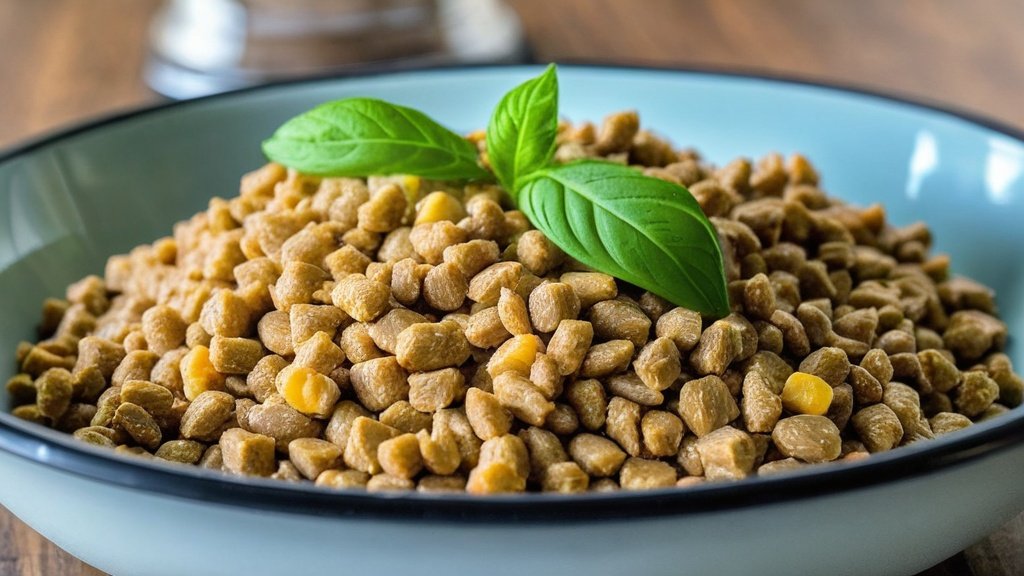
As you explore the market for grain-free cat food, you’ll find several reputable brands that prioritize quality ingredients and nutritional balance. One standout option is Orijen, known for its biologically appropriate formulas that feature fresh, regional ingredients. Their recipes are rich in animal protein and designed to mimic the natural diet of cats in the wild.
Another excellent choice is Wellness CORE, which offers a range of grain-free options packed with high-quality protein sources and essential nutrients. Their formulas are crafted to support your cat’s overall health while providing a delicious taste that even the pickiest eaters will enjoy. Additionally, Blue Buffalo Wilderness is a popular brand that combines real meat with wholesome fruits and vegetables, ensuring your cat receives a balanced diet without any grains.
How to Transition Your Cat to Grain-Free Food
| Step | Duration | Action | Notes | Monitoring Metrics |
|---|---|---|---|---|
| 1 | 2-3 days | Mix 25% grain-free food with 75% current food | Introduce slowly to avoid digestive upset | Appetite, stool consistency, energy levels |
| 2 | 2-3 days | Mix 50% grain-free food with 50% current food | Observe for any signs of intolerance | Weight, hydration, vomiting or diarrhea |
| 3 | 2-3 days | Mix 75% grain-free food with 25% current food | Continue monitoring for adverse reactions | Coat condition, activity level, litter box habits |
| 4 | 2-3 days | Feed 100% grain-free food | Complete transition if no issues arise | Overall health, weight stability, digestion |
| Ongoing | Weekly | Monitor cat’s health and adjust diet if needed | Consult vet if any problems persist | Regular vet check-ups, blood work if necessary |
Transitioning your cat to a grain-free diet requires patience and careful planning. Sudden changes in diet can lead to digestive upset, so it’s best to introduce the new food gradually. Start by mixing a small amount of the grain-free food with your cat’s current food.
Over the course of about a week or two, gradually increase the proportion of the new food while decreasing the old one. This slow transition allows your cat’s digestive system to adjust without causing discomfort. During this process, pay close attention to your cat’s behavior and health.
Monitor their appetite, energy levels, and any signs of digestive issues such as vomiting or diarrhea. If you notice any adverse reactions, consider slowing down the transition or consulting your veterinarian for guidance. Remember that every cat is unique; some may adapt quickly to new foods while others may take longer to adjust.
Common Misconceptions About Grain-Free Cat Food
Despite the growing popularity of grain-free diets for cats, several misconceptions persist that can lead to confusion among pet owners. One common myth is that all cats require a grain-free diet for optimal health. While some cats may benefit from such diets due to allergies or sensitivities, not all felines need to avoid grains entirely.
In fact, many cats can thrive on high-quality foods that include grains as part of a balanced diet. Another misconception is that grain-free diets are inherently healthier than those containing grains. While it’s true that some grain-free options can provide benefits, it’s essential to evaluate each product on its own merits.
A grain-free food that is high in carbohydrates from other sources may not be better than a well-balanced food containing grains. Always prioritize quality ingredients and nutritional balance over marketing claims when selecting your cat’s food.
Potential Risks of Grain-Free Cat Food
While there are benefits to grain-free diets, it’s also important to be aware of potential risks associated with these foods. One significant concern is the link between certain grain-free diets and an increased risk of dilated cardiomyopathy (DCM), a serious heart condition in dogs and cats. Some studies have suggested that diets high in peas and lentils may contribute to this condition in susceptible breeds.
Although research is ongoing, it’s crucial to consult with your veterinarian before making any drastic changes to your cat’s diet. Additionally, some grain-free foods may lack essential nutrients if not formulated correctly. Cats require specific vitamins and minerals for optimal health, and if these nutrients are not adequately provided in a grain-free diet, it could lead to deficiencies over time.
Always choose reputable brands that adhere to AAFCO (Association of American Feed Control Officials) guidelines to ensure your cat receives a complete and balanced diet.
Homemade Grain-Free Cat Food Recipes
If you’re interested in preparing homemade meals for your feline companion, there are several grain-free recipes you can try. One simple recipe involves cooking ground turkey or chicken mixed with vegetables like carrots and spinach. You can add a small amount of fish oil for omega-3 fatty acids and ensure the meal is well-balanced by including supplements recommended by your veterinarian.
Another option is a fish-based recipe using canned tuna or salmon mixed with sweet potatoes and peas. This combination provides protein along with healthy carbohydrates while keeping the meal grain-free. Remember to consult with your veterinarian before transitioning to homemade meals to ensure you’re meeting all of your cat’s nutritional needs.
Making the Best Choice for Your Feline Companion
In conclusion, choosing the right diet for your cat is a significant decision that requires careful consideration of their individual needs and preferences. Grain-free cat food can offer various benefits for certain cats, particularly those with sensitivities or specific health concerns. However, it’s essential to approach this dietary choice with an informed perspective, weighing both the advantages and potential risks.
As you navigate the world of feline nutrition, remember that every cat is unique; what works for one may not work for another. Consulting with your veterinarian can provide valuable insights tailored to your cat’s specific health requirements. Ultimately, whether you opt for grain-free food or a balanced diet that includes grains, prioritizing high-quality ingredients and proper nutrition will ensure your beloved companion leads a happy and healthy life.