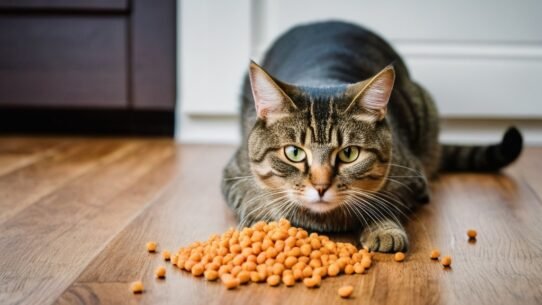



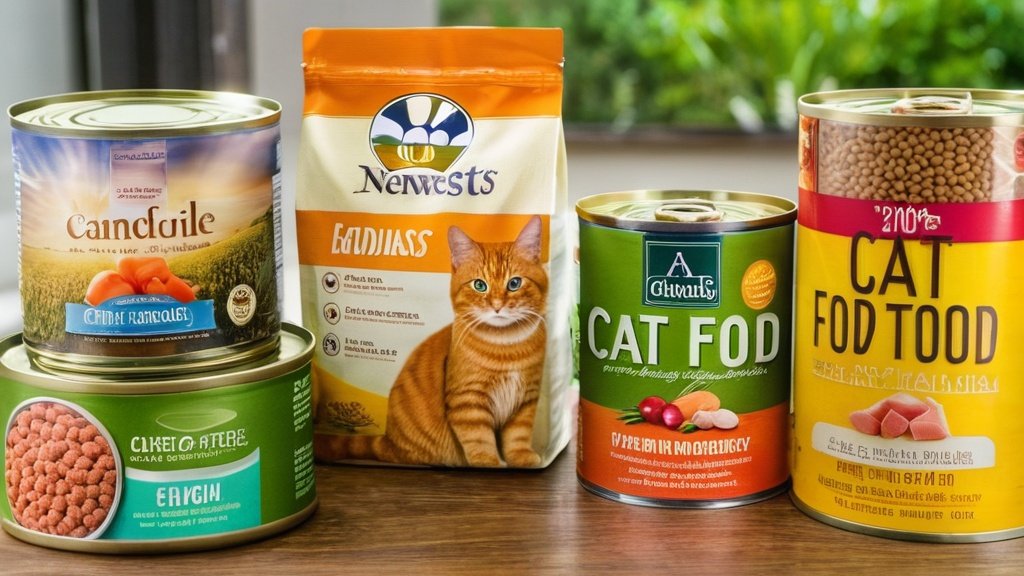
When you stroll down the pet food aisle, you might be surprised to see a rainbow of colors adorning the bags of cat food. These vibrant hues are often the result of artificial colors, which are added to make the food more visually appealing. While it may seem harmless to have a colorful meal, the reality is that these additives serve no nutritional purpose for your feline friend.
Cats are obligate carnivores, meaning their diet should primarily consist of meat, and they do not require any artificial colors to thrive. In fact, the presence of these synthetic dyes can be a red flag indicating that the food is more about marketing than nutrition. You may wonder why manufacturers choose to include artificial colors in their products.
The answer lies in consumer perception; a brightly colored bag can attract attention and suggest freshness or quality. However, as a responsible pet owner, it’s essential to look beyond the packaging and consider what’s actually inside the food. Many artificial colors are derived from petroleum and can have adverse effects on your cat’s health.
By understanding the implications of these additives, you can make more informed choices about what you feed your beloved pet.
Key Takeaways
- Artificial colors and preservatives in cat food can pose health risks to cats.
- By-products in cat food often contain low-quality ingredients that may affect cat health.
- Identifying harmful additives requires careful reading of cat food labels.
- Avoiding artificial colors, preservatives, and by-products can improve your cat’s overall well-being.
- Choosing natural, high-quality cat food supports better nutrition and reduces exposure to harmful substances.
Harmful Preservatives to Avoid
Preservatives are another area of concern when it comes to cat food. While they are necessary to extend shelf life and prevent spoilage, not all preservatives are created equal. Some common preservatives, such as BHA (butylated hydroxyanisole) and BHT (butylated hydroxytoluene), have been linked to various health issues in pets, including cancer.
These synthetic compounds can accumulate in your cat’s system over time, leading to long-term health risks that you may not immediately notice. As a conscientious cat owner, it’s crucial to be aware of the preservatives lurking in your cat’s food. Natural alternatives like tocopherols (vitamin E) and ascorbic acid (vitamin C) are safer options that can help maintain freshness without posing significant health risks.
By opting for cat foods that utilize these natural preservatives, you can help ensure that your feline companion enjoys a healthier diet free from harmful chemicals.
Understanding By-Products in Cat Food
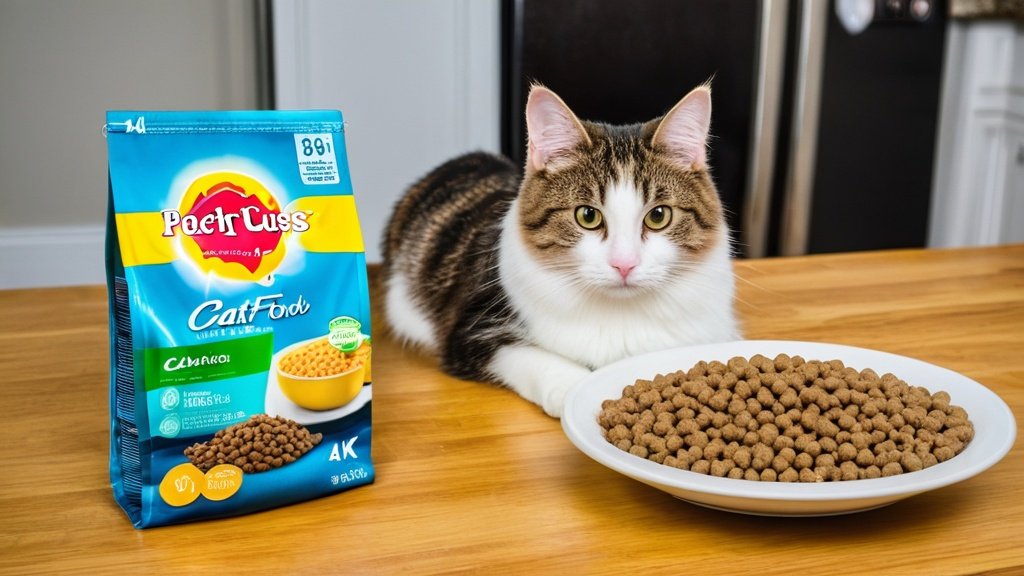
By-products are another contentious topic in the world of pet food. When you see “meat by-products” listed on a cat food label, it can raise questions about what exactly is being included in your cat’s diet. By-products can consist of various animal parts that are not typically considered human-grade, such as organs, bones, and feathers.
While some by-products can provide essential nutrients, others may be less desirable and could indicate lower-quality ingredients. It’s important to differentiate between high-quality by-products and those that may be harmful or nutritionally inadequate. For instance, organ meats like liver can be rich in vitamins and minerals, while less desirable parts may offer little nutritional value.
As a responsible pet owner, you should seek out brands that clearly specify the source of their by-products and prioritize those that use high-quality ingredients. This way, you can ensure that your cat receives a balanced diet that meets their nutritional needs.
Health Risks of Artificial Colors for Cats
| Health Risk | Description | Potential Symptoms in Cats | Severity | Notes |
|---|---|---|---|---|
| Allergic Reactions | Immune system response to artificial color additives | Itching, redness, swelling, hair loss | Moderate | More common in sensitive or predisposed cats |
| Gastrointestinal Upset | Digestive irritation caused by synthetic dyes | Vomiting, diarrhea, loss of appetite | Moderate | Usually resolves after removal of artificial colors |
| Hyperactivity | Behavioral changes linked to certain artificial colors | Restlessness, increased vocalization, anxiety | Low to Moderate | Not all cats are affected |
| Long-term Toxicity | Potential accumulation of harmful substances from dyes | Organ damage, liver or kidney issues (rare) | Low | Requires prolonged exposure; data limited |
| Carcinogenic Risk | Some artificial colors linked to cancer in lab animals | Increased cancer risk over time (theoretical) | Low | No direct evidence in cats; precaution advised |
The health risks associated with artificial colors in cat food are often overlooked by pet owners. While these additives may not pose an immediate threat, they can lead to long-term health issues for your feline friend. Some studies have suggested a link between artificial colors and behavioral problems in pets, including hyperactivity and anxiety.
If your cat seems unusually restless or agitated, it might be worth considering whether their diet contains these synthetic dyes. Moreover, certain artificial colors have been associated with allergic reactions in some animals. Symptoms can range from mild skin irritations to more severe gastrointestinal issues.
If you notice any changes in your cat’s behavior or health after introducing a new food, it’s essential to consult with your veterinarian. By being proactive about your cat’s diet and avoiding foods with artificial colors, you can help mitigate these potential health risks and promote overall well-being.
Dangers of Preservatives in Cat Food
The dangers posed by harmful preservatives in cat food cannot be overstated. Many of these synthetic compounds have been scrutinized for their potential carcinogenic properties. For instance, BHA and BHT have been banned or restricted in several countries due to concerns about their safety for both pets and humans.
As a responsible pet owner, you should be aware of these risks and take steps to avoid feeding your cat foods that contain these harmful preservatives. In addition to cancer risks, some preservatives can lead to other health issues such as liver damage or hormonal imbalances. These effects may not be immediately apparent but can accumulate over time, leading to chronic health problems for your cat.
By choosing cat foods that prioritize natural ingredients and avoid harmful preservatives, you can help safeguard your pet’s health and ensure they live a long, happy life.
The Truth About By-Products in Cat Food
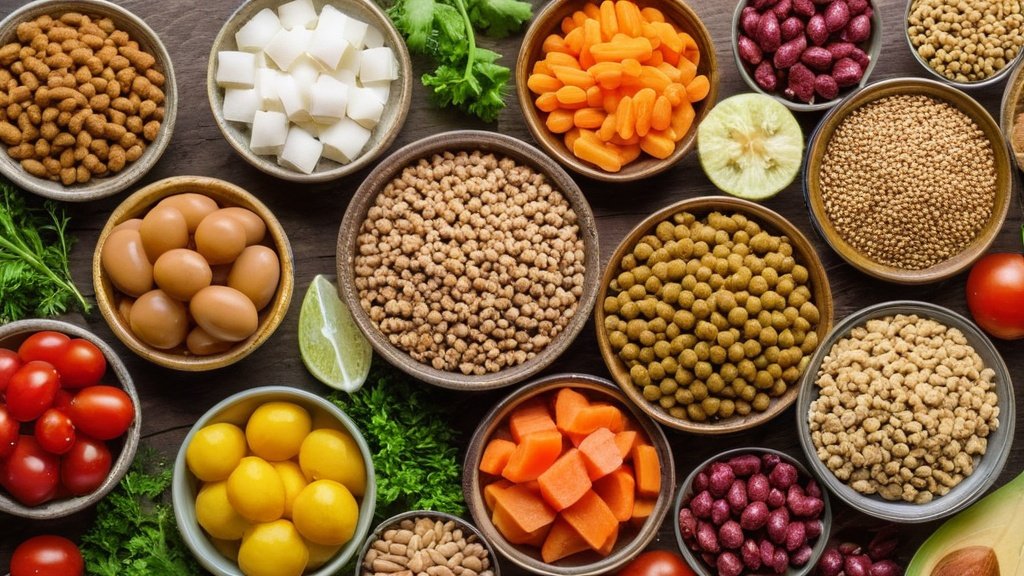
When it comes to by-products in cat food, the truth is often more nuanced than it appears at first glance. While some by-products can provide valuable nutrients, others may be less beneficial or even harmful. The key is to understand what types of by-products are included in the food you choose for your cat.
High-quality brands will often specify the source of their by-products, allowing you to make informed decisions about what you’re feeding your pet. It’s also worth noting that not all by-products are created equal; some can be rich in essential nutrients while others may offer little value. For example, chicken liver is a nutrient-dense by-product that can provide essential vitamins and minerals for your cat’s health.
On the other hand, lower-quality by-products may consist of less desirable parts that do not contribute significantly to your cat’s nutritional needs. By educating yourself about the types of by-products used in cat food, you can make better choices for your furry friend.
How to Identify Artificial Colors, Preservatives, and By-Products in Cat Food
Identifying artificial colors, preservatives, and by-products in cat food requires a keen eye for detail when reading labels. Start by looking for specific terms associated with artificial colors, such as “Red 40,” “Yellow 5,” or “Blue 1.” These synthetic dyes are often listed among the first few ingredients if they are present in significant amounts. If you see any of these terms on the label, it’s best to steer clear of that product.
Next, pay attention to the preservatives listed on the ingredient label. Look for BHA, BHT, ethoxyquin, or any other synthetic preservatives that may pose health risks to your cat. Instead, opt for products that use natural preservatives like mixed tocopherols or rosemary extract.
Finally, when it comes to by-products, check for clarity regarding their sources; high-quality brands will often specify whether they use meat by-products from specific animals or if they include whole meats as primary ingredients.
Choosing Cat Food Without Artificial Colors, Preservatives, and By-Products
Choosing cat food without artificial colors, preservatives, and by-products is an empowering step toward ensuring your feline friend enjoys a healthy diet. Start by researching brands that prioritize natural ingredients and transparency in their labeling practices. Look for products that list whole meats as the primary ingredient and avoid those with vague terms like “meat by-products.” Additionally, consider consulting with your veterinarian for recommendations on high-quality cat food brands that meet your standards for nutrition and safety.
Many veterinarians have insights into which products are best suited for your cat’s specific needs based on their age, weight, and health status. By taking the time to choose wisely and prioritize quality over marketing gimmicks, you can provide your beloved pet with a nourishing diet that supports their overall health and well-being. In conclusion, being an informed pet owner means understanding what goes into your cat’s food and making choices that prioritize their health above all else.
By avoiding artificial colors, harmful preservatives, and questionable by-products, you can help ensure that your feline companion leads a happy and healthy life filled with vitality and joy.