





When you bring a new cat into your home, it’s essential to recognize the significance of patience and routine in helping your feline friend adjust. Cats are creatures of habit, and they thrive in environments where they can predict their surroundings and daily activities. By establishing a consistent routine, you provide your cat with a sense of security and stability, which is crucial during the transition period.
This means setting regular times for feeding, play, and quiet time, allowing your cat to acclimate to their new life with you. Moreover, patience is key when it comes to building trust with your new companion. Cats may take time to explore their surroundings and feel comfortable in their new environment.
You might find that your cat hides or avoids interaction initially, which is perfectly normal behavior. By giving them the space they need and allowing them to approach you on their terms, you foster a bond that will grow stronger over time. Remember, every cat is unique, and their adjustment period can vary widely.
Embrace this journey with an open heart and a willingness to adapt as needed.
Key Takeaways
- Patience and routine are crucial for helping cats adjust to new environments.
- A safe, comfortable space helps cats feel secure during transitions.
- Gradual introductions to new surroundings reduce stress and anxiety.
- Familiar scents and items provide comfort and reassurance to cats.
- Consistent feeding, playtime, and positive reinforcement support smooth adaptation.
Creating a Safe and Comfortable Space for Your Cat
Creating a safe and comfortable space for your cat is one of the first steps you should take when welcoming them into your home. This area should be quiet, away from the hustle and bustle of daily life, where your cat can retreat whenever they feel overwhelmed. Consider setting up a cozy bed or blanket in a corner of the room, along with a litter box that is easily accessible but not in a high-traffic area.
This designated space will serve as your cat’s sanctuary, allowing them to feel secure as they adjust to their new surroundings. In addition to providing a physical space, it’s important to ensure that the environment is free from potential hazards. Remove any toxic plants, secure loose wires, and keep small objects out of reach that could pose a choking hazard.
You might also want to invest in scratching posts or climbing trees to give your cat an outlet for their natural instincts. By creating a safe haven, you not only help your cat feel more at ease but also encourage them to explore their new home at their own pace.
Introducing Your Cat to the New Environment Gradually
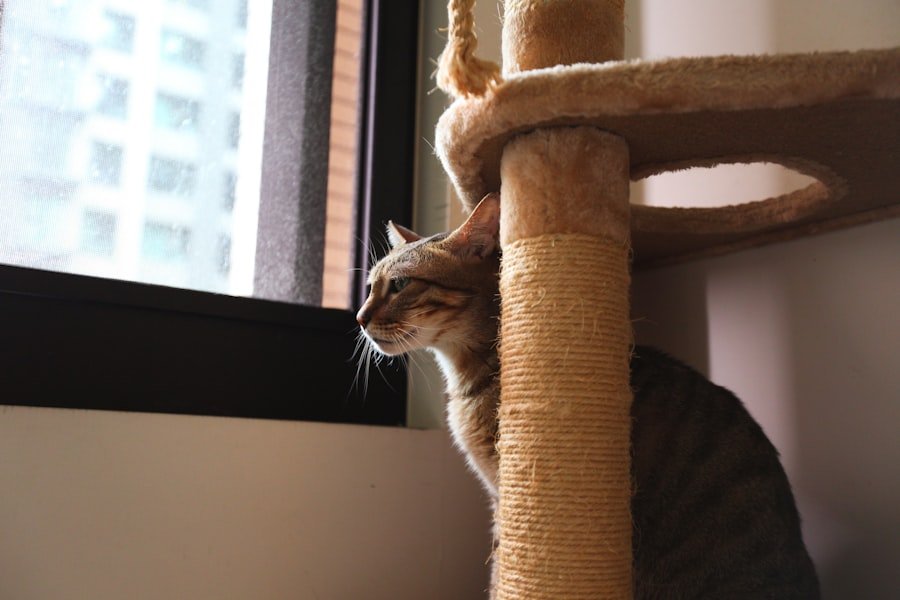
As you begin the process of introducing your cat to their new environment, it’s crucial to do so gradually. Rushing this process can lead to stress and anxiety for your feline friend. Start by allowing them access to one room at a time, letting them explore at their own pace.
This method helps prevent overwhelming them with too much space and too many new stimuli all at once. You might find that your cat prefers to stay hidden initially; this is perfectly normal behavior as they assess their surroundings. Once your cat seems comfortable in one room, you can slowly introduce them to other areas of the house.
Monitor their reactions closely; if they seem anxious or frightened, it may be best to retreat back to the previous space for a little while longer. Each cat has its own comfort level when it comes to exploration, so be attentive to their cues. By taking this gradual approach, you allow your cat to build confidence in their new environment while ensuring that they feel safe and secure throughout the process.
Providing Familiar Scents and Comforting Items
One effective way to help your new cat feel more at home is by providing familiar scents and comforting items from their previous environment. If possible, ask the shelter or previous owner for a blanket or toy that carries the scent of their former home. Familiar smells can have a calming effect on cats, making them feel more secure in an unfamiliar setting.
You might also consider using pheromone diffusers or sprays designed specifically for cats; these products can help reduce anxiety and promote relaxation. In addition to familiar scents, offering comforting items such as toys or blankets can provide your cat with a sense of security. Cats often find solace in items that they can knead or snuggle against.
By providing these comforting items, you create an environment that encourages relaxation and exploration. As your cat begins to settle in, you may notice them gravitating toward these familiar objects, which can be a reassuring sign that they are starting to feel more at home.
Establishing a Consistent Feeding and Playtime Schedule
Establishing a consistent feeding and playtime schedule is vital for helping your cat adjust to their new home. Cats thrive on routine, and knowing when to expect meals and playtime can significantly reduce anxiety. Aim to feed your cat at the same times each day, using high-quality food that meets their nutritional needs.
This consistency not only helps regulate their digestion but also reinforces the idea that they are safe and cared for in their new environment. In addition to feeding times, incorporating regular play sessions into your daily routine is essential for your cat’s mental and physical well-being. Engage them with interactive toys or simple games that stimulate their natural hunting instincts.
This not only provides exercise but also strengthens the bond between you and your cat. As you establish this routine, you’ll likely notice that your cat becomes more relaxed and confident, knowing what to expect from their day-to-day life.
Offering Positive Reinforcement and Affection

Positive reinforcement is an effective way to encourage desired behaviors in your new cat while helping them feel more comfortable in their surroundings. Whenever your cat explores a new area or engages in playtime, offer praise or treats as a reward for their bravery. This approach reinforces positive behavior and helps build trust between you and your feline friend.
Over time, your cat will associate these experiences with positive outcomes, making them more likely to explore further. In addition to rewards, don’t underestimate the power of affection in helping your cat adjust. Gentle petting or soft words can go a long way in reassuring your new companion that they are safe and loved.
Pay attention to their body language; some cats may prefer gentle strokes while others may enjoy sitting close without direct contact initially. By being attuned to their preferences, you create an environment where they feel valued and secure.
Seeking Veterinary Advice and Support if Needed
As you navigate the process of helping your new cat adjust, don’t hesitate to seek veterinary advice if needed. A veterinarian can provide valuable insights into your cat’s health and behavior, ensuring that any underlying issues are addressed promptly. If you notice signs of excessive stress or anxiety—such as hiding for extended periods or changes in eating habits—consulting with a professional can help determine the best course of action.
Additionally, your veterinarian can recommend behavioral specialists or resources tailored specifically for cats experiencing adjustment difficulties. They may suggest strategies or products designed to alleviate anxiety or stress in felines. Remember that seeking help is not a sign of failure; rather, it demonstrates your commitment to providing the best possible care for your new companion.
Monitoring Your Cat’s Behavior and Progress
Finally, monitoring your cat’s behavior and progress is essential as they adjust to their new home. Keep an eye on how they interact with their environment over time; look for signs of comfort such as exploring different areas of the house or engaging in playtime more frequently. Documenting these changes can help you identify patterns in their behavior and determine what strategies are most effective in supporting their adjustment.
As you observe your cat’s progress, be patient and understanding of any setbacks they may experience along the way. Adjustments can take time, and every cat has its own unique timeline for feeling comfortable in a new environment. Celebrate small victories—whether it’s your cat coming out from hiding or initiating playtime—and continue providing love and support throughout this journey.
With time, patience, and care, you’ll witness the blossoming bond between you and your feline friend as they truly make themselves at home in your heart and home.