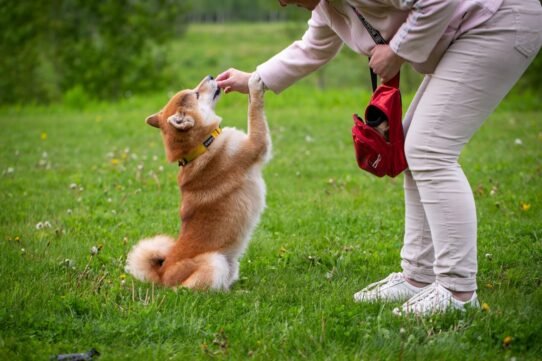





When you think about training your dog, it’s essential to understand the science that underpins positive reinforcement. At its core, positive reinforcement is based on the principles of operant conditioning, a concept developed by psychologist B.F. Skinner. This theory posits that behaviors followed by rewarding outcomes are more likely to be repeated in the future. In simpler terms, when you reward your dog for a desired behavior, you increase the likelihood that they will perform that behavior again. This can be as straightforward as giving your dog a treat when they sit on command or offering praise when they come to you when called. The brain of your dog responds to positive reinforcement in a way that encourages learning and strengthens the bond between you. When your dog receives a reward, their brain releases dopamine, a neurotransmitter associated with pleasure and reward. This chemical reaction not only makes your dog feel good but also reinforces the behavior that led to the reward. Over time, this creates a positive feedback loop where your dog learns to associate certain actions with positive outcomes, making them more likely to repeat those actions in the future. Understanding this scientific foundation can help you appreciate the effectiveness of positive reinforcement as a training method.
Key Takeaways
- Positive reinforcement leverages rewards to encourage desired behaviors in dogs.
- Consistent use of positive reinforcement strengthens trust and deepens the human-dog bond.
- This training method reduces stress and promotes psychological well-being in dogs.
- Avoiding punishment-based techniques prevents fear and aggression-related side effects.
- Long-term positive reinforcement leads to lasting behavioral improvements and a happier pet.
The Effectiveness of Positive Reinforcement Training
Positive reinforcement training has proven to be one of the most effective methods for teaching dogs new behaviors and commands. Unlike traditional training methods that may rely on punishment or negative reinforcement, positive reinforcement focuses on encouraging desired behaviors through rewards. This approach not only makes training more enjoyable for both you and your dog but also fosters a more cooperative learning environment.
When your dog knows that good behavior will be met with praise or treats, they are more likely to engage and participate actively in the training process. Moreover, studies have shown that dogs trained using positive reinforcement tend to retain learned behaviors longer than those trained with aversive methods. This is because positive reinforcement creates a strong emotional connection between the behavior and the reward, making it easier for your dog to remember what they have learned.
As you continue to reinforce good behavior, you’ll find that your dog becomes more responsive and eager to learn new commands, leading to a more harmonious relationship between you both.
The Psychological Impact on Dogs

The psychological impact of positive reinforcement on dogs cannot be overstated. When you use this method, you are not just teaching your dog commands; you are also building their confidence and self-esteem. Dogs that experience consistent positive reinforcement are more likely to feel secure in their environment and develop a positive outlook on learning.
This is particularly important for rescue dogs or those with a history of trauma, as they may require extra encouragement to trust humans and engage in training. Additionally, positive reinforcement helps reduce anxiety and fear-based behaviors in dogs. When your dog associates training sessions with fun and rewards, they are less likely to feel stressed or anxious during these interactions.
This creates a more relaxed atmosphere where your dog can thrive and learn without the fear of punishment looming over them. As a result, you’ll notice that your dog becomes more willing to explore new situations and experiences, ultimately leading to a happier and more well-adjusted pet.
The Importance of Building Trust and Bonding
Building trust and bonding with your dog is crucial for effective training, and positive reinforcement plays a significant role in this process. When you consistently reward your dog for good behavior, you are establishing a foundation of trust that encourages them to look to you for guidance. This trust is essential for creating a strong bond between you and your dog, as it fosters open communication and mutual respect.
As you engage in positive reinforcement training, you’ll find that your dog becomes more attuned to your cues and commands. This heightened awareness is a direct result of the trust you’ve built through rewarding their good behavior. Your dog learns that you are a reliable source of support and guidance, which can lead to a deeper emotional connection.
Over time, this bond will not only enhance your training sessions but also enrich your overall relationship with your furry companion.
The Role of Consistency in Positive Reinforcement
Consistency is key when it comes to positive reinforcement training. For your dog to fully understand what behaviors are being rewarded, it’s essential that you apply the same rules and rewards every time. This means using the same commands, gestures, and rewards consistently throughout your training sessions.
When you are consistent in your approach, your dog will quickly learn what is expected of them and will be more likely to repeat those behaviors. Inconsistency can lead to confusion for your dog, making it difficult for them to grasp what behaviors are desirable. For example, if you reward your dog for sitting one day but ignore them when they sit the next day, they may become unsure about whether sitting is a behavior worth repeating.
By maintaining consistency in your training methods, you create a clear framework for your dog to follow, which ultimately leads to more effective learning and better results.
Avoiding Negative Side Effects of Punishment-based Training

One of the most significant advantages of positive reinforcement training is its ability to avoid the negative side effects often associated with punishment-based methods. Traditional training techniques that rely on aversive measures can lead to fear, anxiety, and aggression in dogs. When dogs are subjected to punishment, they may become fearful of their owners or develop behavioral issues as a result of stress and anxiety.
In contrast, positive reinforcement fosters a safe and supportive environment where dogs can learn without fear of punishment. This approach not only promotes better behavior but also enhances the overall well-being of your pet. By focusing on rewarding good behavior rather than punishing bad behavior, you create a more positive atmosphere that encourages learning and growth.
Your dog will be more willing to engage with you during training sessions, leading to a more enjoyable experience for both of you.
Positive Reinforcement in Addressing Behavioral Issues
Positive reinforcement can be particularly effective in addressing behavioral issues in dogs. Whether your dog struggles with excessive barking, jumping on guests, or separation anxiety, using positive reinforcement techniques can help modify these behaviors in a constructive way. Instead of resorting to punishment or negative reinforcement, which can exacerbate anxiety or fear-based behaviors, focusing on rewarding alternative behaviors can lead to lasting change.
For instance, if your dog barks excessively when someone approaches the door, you can train them to go to their designated spot instead by rewarding them with treats or praise when they do so. Over time, they will learn that remaining calm in their spot yields positive outcomes, reducing their barking behavior without causing stress or fear. By addressing behavioral issues through positive reinforcement, you not only help your dog learn appropriate behaviors but also strengthen your bond as they learn to trust you as their guide.
The Long-term Benefits of Positive Reinforcement Training
The long-term benefits of positive reinforcement training extend far beyond just teaching commands; they encompass overall behavioral health and emotional well-being for your dog. Dogs trained using this method tend to exhibit fewer behavioral problems over time because they have learned how to communicate effectively with their owners through positive interactions. This leads to a more harmonious living environment where both you and your dog can thrive.
Moreover, the skills learned through positive reinforcement training often carry over into various aspects of daily life. A well-trained dog is not only easier to manage but also more enjoyable to have around during social gatherings or outings. As your dog becomes more confident and well-behaved through consistent positive reinforcement, you’ll find that both of you can enjoy new experiences together without the stress of behavioral issues overshadowing your time together.
In conclusion, embracing positive reinforcement as a training method offers numerous benefits for both you and your dog. By understanding the science behind it, recognizing its effectiveness, and committing to building trust through consistency, you can create a nurturing environment where your dog thrives emotionally and behaviorally. As you navigate the journey of training together, you’ll discover that the bond formed through positive reinforcement is one of the most rewarding aspects of pet ownership.