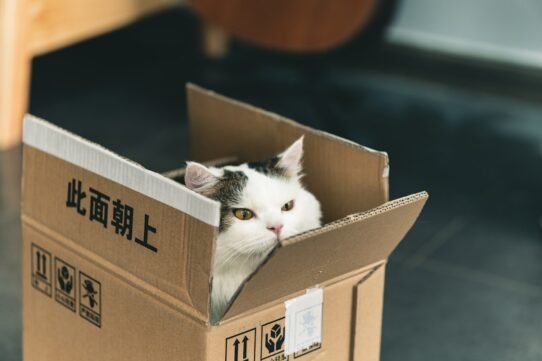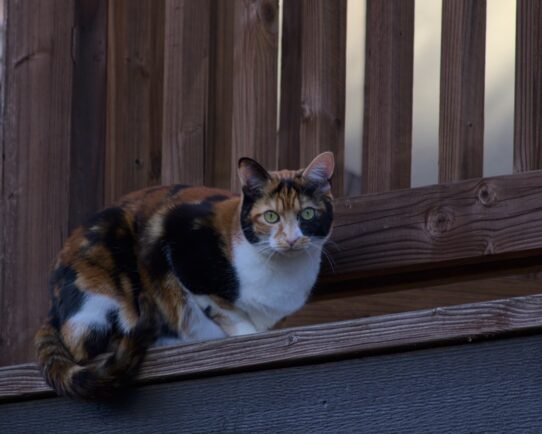




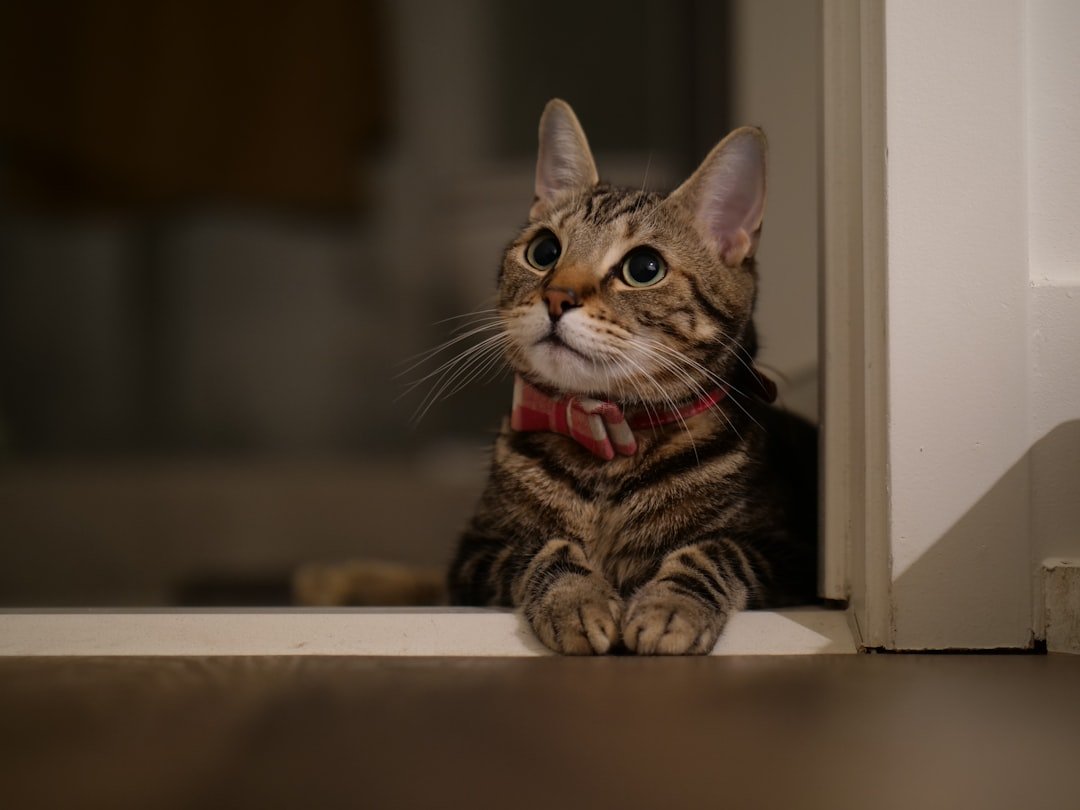
Cats are enigmatic creatures, often captivating their owners with their unique blend of independence and affection. Unlike dogs, who have been bred for thousands of years to work alongside humans, cats retain a more solitary nature, which can sometimes make their behavior puzzling. Understanding feline behavior requires a deep dive into their instincts, social structures, and individual personalities.
Each cat is a complex being, shaped by its environment and experiences, which can lead to a wide range of behaviors that may seem inexplicable at first glance. One of the most fascinating aspects of cats is their instinctual behaviors, which are deeply rooted in their ancestry as solitary hunters. This instinct manifests in various ways, from their playful pouncing on toys to their meticulous grooming rituals.
Cats are also known for their territorial nature; they often mark their territory through scent marking and scratching. This behavior is not merely a sign of ownership but also a way for them to communicate with other cats. Understanding these natural instincts can help cat owners create an environment that caters to their feline friends’ needs, ensuring a happy and healthy life.
Key Takeaways
- Cats form strong bonds with their owners through attachment and socialization.
- Instinctual behaviors, like following, stem from a cat’s natural curiosity and survival traits.
- Cats communicate primarily through body language to express emotions and intentions.
- They provide emotional support and comfort, enhancing their owners’ sense of security.
- Environmental factors significantly impact a cat’s behavior and well-being.
Attachment and Bonding: How Cats Form Relationships with Their Owners
While cats are often perceived as aloof, they are capable of forming deep bonds with their human companions. The attachment process in cats is nuanced and can vary significantly from one individual to another. Some cats may take longer to warm up to their owners, while others may display affection almost immediately.
This bonding process is influenced by various factors, including early socialization experiences, the cat’s personality, and the owner’s behavior. Cats express their affection in subtle ways that may be overlooked by those unfamiliar with feline communication. A slow blink from a cat can be interpreted as a sign of trust and love, while head-butting or rubbing against a person signifies a desire for closeness.
These behaviors are essential for building a strong bond between cats and their owners. At Lovepetcare, we understand the importance of nurturing these relationships, which is why our professional pet sitters and dog walkers are trained to recognize and respond to the unique needs of each cat, ensuring they feel loved and secure even when their owners are away.
Instinctual Behavior: Exploring the Reasons Behind a Cat’s Desire to Follow
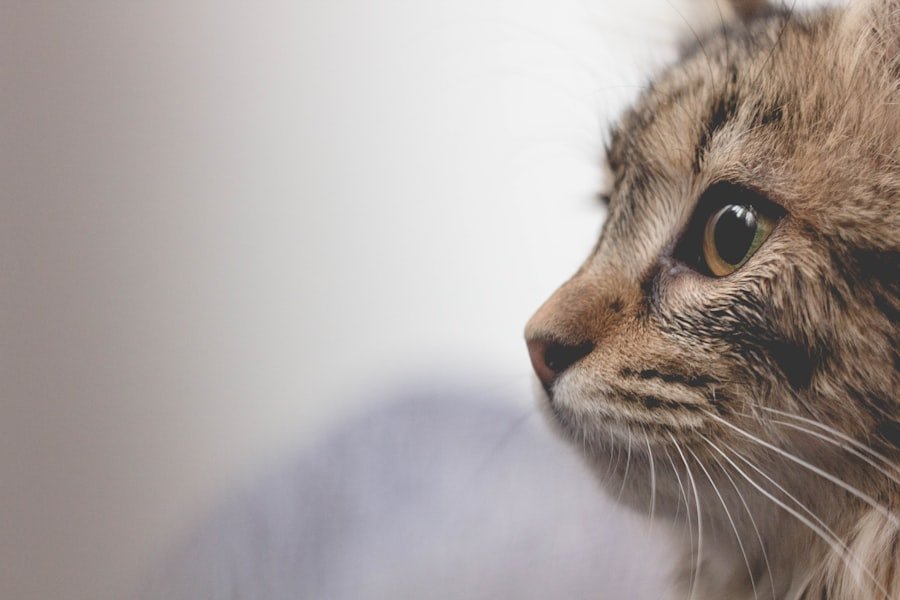
Cats are naturally curious creatures, often exploring their surroundings with an inquisitive spirit. This curiosity can lead them to follow their owners around the house, seeking companionship or simply investigating what their human is up to. This behavior is rooted in their instinctual need for safety and security; by staying close to their trusted human, cats feel more secure in their environment.
Moreover, following their owners can also be a sign of affection. Cats are social animals despite their independent nature, and they often seek out the company of those they trust. This desire to be near their humans can be particularly pronounced in times of stress or change, such as moving to a new home or experiencing changes in the household dynamic.
At Lovepetcare, we recognize that every cat has its own personality and preferences. Our dedicated pet sitters ensure that your feline friend receives the attention and companionship they crave, even when you can’t be there.
Socialization and Communication: How Cats Use Body Language to Interact
Cats are masters of non-verbal communication, using body language to convey their feelings and intentions. Understanding these signals is crucial for fostering a positive relationship between cats and their owners. For instance, a cat’s tail position can indicate its mood; an upright tail often signifies happiness and confidence, while a puffed-up tail may indicate fear or aggression.
Similarly, the position of a cat’s ears can provide insight into its emotional state—forward-facing ears suggest curiosity or excitement, while flattened ears indicate discomfort or annoyance. Socialization plays a vital role in how well a cat communicates with both humans and other animals. Cats that have been well-socialized from a young age tend to be more comfortable around people and other pets, making them more expressive in their interactions.
At Lovepetcare, our pet sitters are trained to recognize these subtle cues and respond appropriately, ensuring that your cat feels understood and cared for during every visit.
Emotional Support: The Role of Cats in Providing Comfort and Security
Cats have an innate ability to provide emotional support to their owners. Their calming presence can be particularly beneficial during stressful times or periods of anxiety. The act of petting a cat has been shown to release oxytocin—the “love hormone”—in both the cat and the human, fostering feelings of connection and reducing stress levels.
This mutual exchange of affection creates a comforting bond that can significantly enhance the emotional well-being of both parties. Moreover, cats often have an uncanny ability to sense when their owners are feeling down or unwell. Many cat owners report that their feline companions will curl up beside them or follow them around when they are feeling low, providing silent support during tough times.
At Lovepetcare, we understand the importance of this emotional connection. Our professional pet sitters not only care for your cat’s physical needs but also provide companionship that can help alleviate loneliness and anxiety when you’re away.
Attention and Affection: How Cats Seek and Express Love and Connection

Cats have unique ways of seeking attention and expressing affection that may differ from other pets. While some cats may enjoy being held or cuddled, others may prefer more subtle forms of interaction, such as sitting near their owners or engaging in playtime. Understanding your cat’s preferences is key to fostering a loving relationship.
For instance, some cats may show affection by bringing “gifts,” such as toys or even prey they’ve caught, as a way of sharing their bounty with you. Additionally, vocalizations play an essential role in how cats communicate with their humans. While many people associate meowing with cats wanting food or attention, it can also be a way for them to express affection or seek companionship.
Each cat has its own unique vocal patterns that can indicate different emotions or desires. At Lovepetcare, our experienced pet sitters take the time to learn your cat’s individual communication style, ensuring that they receive the love and attention they need while you’re away.
Environmental Factors: How a Cat’s Surroundings Influence Their Behavior
A cat’s environment plays a significant role in shaping its behavior and overall well-being. Factors such as space, stimulation, and safety can greatly influence how a cat interacts with its surroundings and its human companions. For instance, cats thrive in environments that offer opportunities for exploration and play; providing climbing structures or interactive toys can help keep them mentally stimulated and physically active.
Moreover, a safe environment is crucial for reducing stress in cats. Changes in the household—such as new pets or moving to a new home—can lead to anxiety if not managed properly. Creating a secure space where your cat can retreat when feeling overwhelmed is essential for maintaining its emotional health.
At Lovepetcare, we understand the importance of a nurturing environment for your feline friend. Our pet sitters are trained to create safe spaces during visits, ensuring your cat feels comfortable and secure while you’re away.
Addressing Concerns: When a Cat’s Behavior Raises Questions or Worries
As much as we love our feline companions, there are times when their behavior may raise concerns or questions among owners. Changes in eating habits, excessive grooming, or sudden aggression can indicate underlying health issues or stressors that need addressing. It’s essential for cat owners to remain vigilant about any behavioral changes and consult with a veterinarian if necessary.
At Lovepetcare, we prioritize the well-being of your pets above all else. Our professional pet sitters are trained to observe any unusual behaviors during visits and will communicate any concerns back to you promptly. We believe that open communication between pet owners and caregivers is vital for ensuring your cat’s health and happiness.
By choosing Lovepetcare for your pet sitting needs in LA or New York, you can rest assured that your beloved feline will receive the highest level of care and attention tailored specifically to its needs. In conclusion, understanding feline behavior is essential for nurturing the bond between cats and their owners. By recognizing the unique ways in which cats express love, seek attention, and communicate with us, we can create an environment that fosters happiness and security for our furry friends.
At Lovepetcare, we are committed to providing exceptional care for your pets while you’re away—ensuring they feel loved and cherished every step of the way.