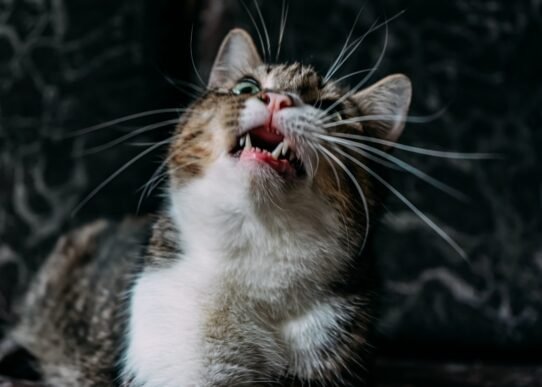





Nocturnal meowing can be a perplexing behavior for cat owners, often leading to sleepless nights and frustration. Cats are naturally crepuscular creatures, meaning they are most active during dawn and dusk. This instinctual behavior can manifest as increased vocalization during the night, as they seek attention or stimulation.
Understanding the underlying reasons for this behavior is crucial for pet owners who want to ensure a peaceful night for both themselves and their feline companions. One common reason for nighttime meowing is simply a cat’s innate desire for companionship. Cats are social animals, and they may feel lonely or bored when their human family members are asleep.
This loneliness can prompt them to vocalize in an attempt to engage their owners or express their need for interaction. Additionally, some cats may meow at night due to hunger or thirst, especially if they are accustomed to being fed at specific times. Recognizing these motivations can help owners address the issue effectively and create a more harmonious living environment.
Key Takeaways
- Nighttime meowing can stem from health, behavioral, or environmental factors.
- Identifying and addressing medical issues is crucial to reduce nocturnal vocalization.
- Creating a comfortable and consistent nighttime routine helps calm your cat.
- Providing daytime physical and mental stimulation can decrease nighttime restlessness.
- Positive reinforcement and professional guidance are effective for managing persistent meowing.
Identifying potential health issues that may cause nighttime meowing
While many instances of nighttime meowing can be attributed to behavioral factors, it is essential to consider potential health issues that may be at play. Cats are adept at hiding discomfort or pain, and vocalization can sometimes be a sign that something is amiss. Conditions such as hyperthyroidism, dental problems, or urinary tract infections can lead to increased vocalization, particularly at night when the cat may feel more vulnerable or anxious.
If your cat’s nighttime meowing is accompanied by other concerning symptoms—such as changes in appetite, litter box habits, or general demeanor—it may be time to consult a veterinarian. A thorough examination can help rule out any underlying health issues that could be contributing to the behavior. By addressing any medical concerns promptly, you can ensure your cat’s well-being and potentially reduce their nighttime vocalizations.
Addressing behavioral issues that lead to nighttime meowing
Behavioral issues can also play a significant role in nocturnal meowing. Cats may develop habits that lead them to vocalize at night due to a lack of proper training or environmental enrichment. For instance, if a cat has learned that meowing results in attention from their owner, they may continue this behavior as a means of seeking interaction.
This learned behavior can become ingrained over time, making it essential for owners to address it proactively. To tackle behavioral issues, it is important to establish clear boundaries and expectations for your cat. If your feline friend tends to meow for attention at night, consider ignoring the behavior rather than responding.
This approach may be challenging initially, but over time, your cat will learn that nighttime vocalizations do not yield the desired response. Additionally, providing alternative forms of stimulation during the day can help reduce nighttime meowing by ensuring your cat is mentally and physically satisfied before bedtime.
Creating a comfortable nighttime environment for your cat
Creating a comfortable nighttime environment is crucial for promoting restful sleep for both you and your cat. A cozy sleeping area equipped with soft bedding and familiar scents can help your feline feel secure and relaxed during the night. Consider placing their bed in a quiet corner of the house where they can retreat without disturbances from household activities or noise.
In addition to a comfortable sleeping space, providing access to toys and scratching posts can help keep your cat entertained during the evening hours. Engaging them with interactive toys before bedtime can also tire them out, making them less likely to vocalize during the night. By creating an inviting environment that caters to your cat’s needs, you can foster a sense of security that may reduce their nocturnal meowing.
Establishing a consistent nighttime routine for your cat
Establishing a consistent nighttime routine is essential for helping your cat understand when it is time to wind down for the evening. Cats thrive on routine, and having a predictable schedule can provide them with a sense of security and stability. Consider incorporating activities such as playtime, feeding, and grooming into your nightly routine to signal to your cat that it is time to settle down.
By engaging in these activities at the same time each night, you can help your cat associate specific cues with bedtime. For example, if you consistently play with your cat before feeding them and then dim the lights, they will begin to recognize these signals as indicators that it is time to sleep. A well-structured routine not only benefits your cat but also allows you to enjoy peaceful nights without disruptive meowing.
Providing ample physical and mental stimulation during the day
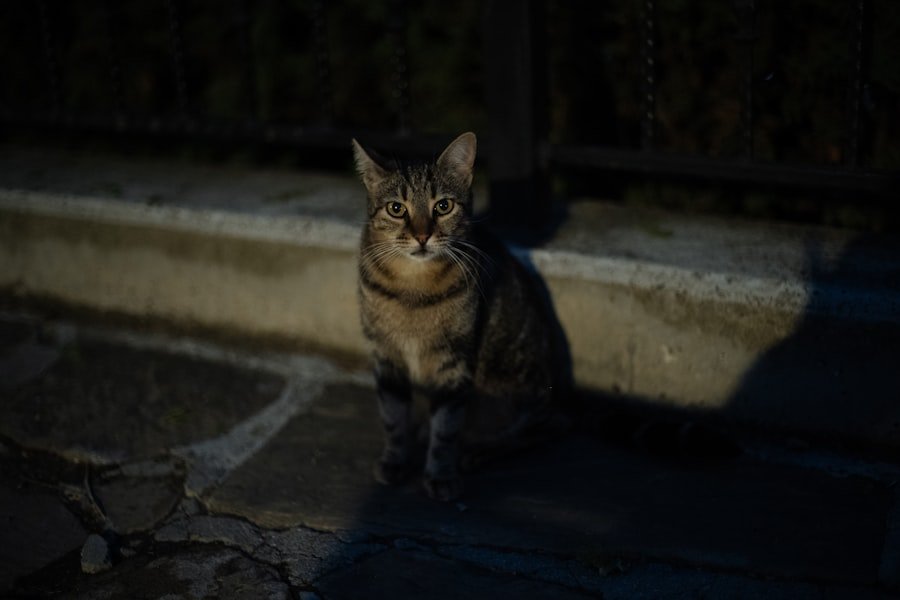
One of the most effective ways to reduce nighttime meowing is by ensuring your cat receives ample physical and mental stimulation throughout the day. Boredom and pent-up energy can lead to increased vocalization at night as cats seek ways to entertain themselves. Engaging your feline friend in interactive play sessions using toys like feather wands or laser pointers can help burn off excess energy and keep them mentally stimulated.
In addition to playtime, consider incorporating puzzle feeders or treat-dispensing toys into your cat’s daily routine. These activities challenge their problem-solving skills and provide mental enrichment, making them less likely to seek attention through vocalization at night. By investing time in your cat’s daytime activities, you can create a more balanced and contented pet who is less prone to nighttime meowing.
Using positive reinforcement to discourage nighttime meowing
Positive reinforcement is a powerful tool when it comes to modifying behavior in cats. Instead of punishing your feline friend for nighttime meowing, focus on rewarding them for quiet behavior during the night. When your cat remains calm and silent, offer praise or treats as a way of reinforcing this desirable behavior.
Consistency is key when using positive reinforcement techniques. Make sure all family members are on board with this approach so that your cat receives a unified message about what behaviors are encouraged. Over time, your cat will learn that being quiet at night leads to positive outcomes, while vocalizing does not garner attention or rewards.
Seeking professional help if nighttime meowing persists
If you have tried various strategies to address your cat’s nighttime meowing without success, it may be time to seek professional help. A veterinarian or animal behaviorist can provide valuable insights into your cat’s behavior and help identify any underlying issues that may be contributing to their vocalizations. They can also offer tailored advice on training techniques and environmental modifications that may be beneficial.
In some cases, persistent nighttime meowing may indicate deeper behavioral concerns that require specialized intervention. By enlisting the expertise of professionals in the field of animal behavior, you can gain a better understanding of your cat’s needs and develop an effective plan for reducing their nocturnal vocalizations. In conclusion, addressing nocturnal meowing in cats requires a multifaceted approach that considers both behavioral and health-related factors.
By understanding the reasons behind this behavior, creating a comfortable environment, establishing routines, and providing ample stimulation during the day, you can significantly reduce nighttime vocalizations. If challenges persist despite your best efforts, seeking professional guidance can lead to effective solutions that enhance the well-being of both you and your beloved feline companion. At Lovepetcare, we understand how important it is for pet owners to maintain harmony in their homes while ensuring their pets are happy and healthy.
Our professional dog walkers and pet sitters are trained to recognize various pet behaviors and provide tailored care that meets each animal’s unique needs. Whether you’re dealing with a vocal kitty or simply need someone reliable to care for your pets while you’re away, Lovepetcare is here for you in LA and New York!