



The Doberman Pinscher, often simply referred to as the Doberman, has a rich and fascinating history that dates back to the late 19th century. This breed was developed in Germany by a tax collector named Karl Friedrich Louis Dobermann, who sought to create a loyal and protective companion to accompany him during his rounds. He aimed to breed a dog that was not only intelligent and alert but also strong and agile enough to deter potential threats.
The result of his efforts was a breed that combined the best traits of several existing breeds, including the Rottweiler, Greyhound, and German Pinscher. As the breed gained popularity, it quickly became known for its versatility and adaptability. Dobermans were utilized in various roles, from police and military work to search and rescue operations.
Their keen intelligence and trainability made them ideal candidates for these demanding tasks. Over the years, the Doberman has evolved from a working dog into a beloved family pet, while still retaining its protective instincts and loyalty. Today, they are recognized as one of the most intelligent dog breeds, making them a favorite among dog enthusiasts and families alike.
Key Takeaways
- Dobermans were originally bred for protection and companionship, with a rich history dating back to the late 19th century.
- They have a sleek, muscular build and are known for their intelligence, loyalty, and alert temperament.
- Proper training and early socialization are crucial to ensure Dobermans develop into well-behaved and balanced dogs.
- Dobermans can be loving family companions, forming strong bonds with their owners and children.
- Regular exercise and attention to health are essential, and choosing a responsible breeder helps ensure a healthy, well-tempered Doberman.
The Doberman’s Physical Characteristics and Temperament
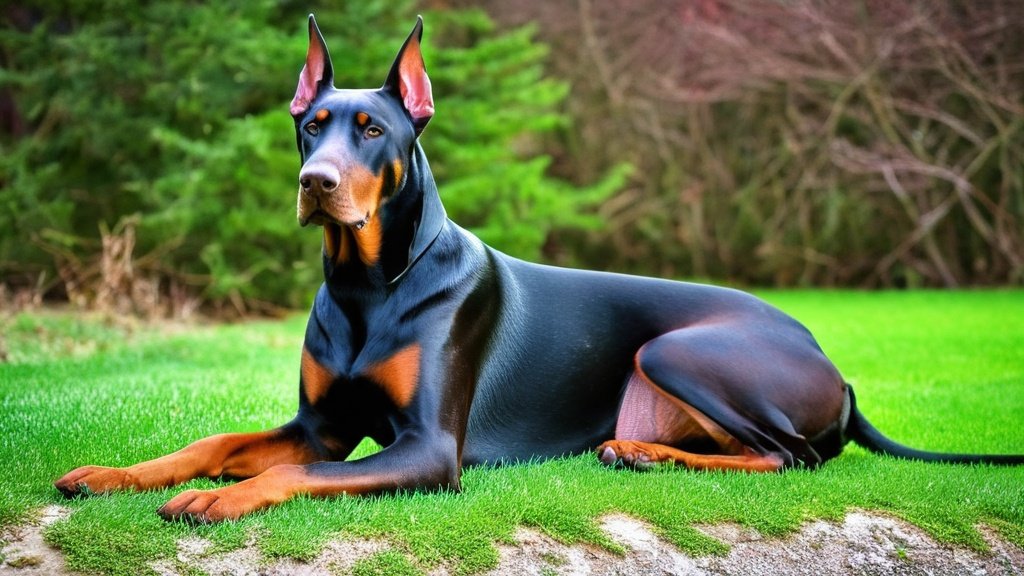
Dobermans are striking dogs, known for their sleek, muscular build and elegant appearance. They typically stand between 24 to 28 inches tall at the shoulder and weigh between 60 to 100 pounds, depending on their gender and lineage. Their short, smooth coat comes in various colors, including black, red, blue, and fawn, often adorned with distinctive rust-colored markings.
The breed’s athletic physique is complemented by a confident stance and alert expression, which together convey an air of strength and intelligence. In terms of temperament, Dobermans are known for their loyalty, intelligence, and protective nature. They are highly trainable and eager to please their owners, making them excellent candidates for obedience training.
While they can be reserved with strangers, they are affectionate and loving with their families. This combination of traits makes them not only effective guard dogs but also devoted companions. However, it is essential to remember that their temperament can be influenced by factors such as genetics, socialization, and training.
A well-socialized Doberman can be a friendly and approachable dog, while one that has not been properly socialized may exhibit fear or aggression.
Training and Socialization of the Doberman
Training and socialization are crucial components in raising a well-adjusted Doberman. Due to their intelligence and eagerness to learn, Dobermans respond exceptionally well to positive reinforcement training methods. Early training should begin as soon as you bring your puppy home.
Basic commands such as sit, stay, come, and heel should be taught alongside house training. Consistency is key; using the same commands and rewards will help your Doberman understand what is expected of them. Socialization is equally important for Dobermans.
Exposing them to various environments, people, and other animals from a young age will help them develop into well-rounded adults. This exposure can prevent behavioral issues such as fearfulness or aggression later in life. Enrolling your Doberman in puppy classes or group training sessions can provide valuable socialization opportunities while also reinforcing good behavior through structured learning.
Remember that a well-trained and socialized Doberman is not only a joy to have around but also a safer companion for your family.
The Doberman as a Family Companion
| Metric | Details |
|---|---|
| Average Lifespan | 10-13 years |
| Temperament | Loyal, Intelligent, Protective, Energetic |
| Good with Children | Yes, when properly socialized |
| Exercise Needs | High – Requires daily vigorous exercise |
| Trainability | High – Responds well to consistent training |
| Grooming Requirements | Low – Short coat, regular brushing |
| Common Health Issues | Hip Dysplasia, Dilated Cardiomyopathy, Von Willebrand’s Disease |
| Ideal Living Environment | House with yard, active family |
| Socialization Needs | Early and ongoing socialization recommended |
Dobermans are often misunderstood due to their reputation as guard dogs; however, they can make wonderful family companions when properly trained and socialized. Their loyalty and protective instincts make them excellent guardians for children and other pets in the household. With their affectionate nature, Dobermans thrive on human interaction and enjoy being part of family activities.
They are known to form strong bonds with their families, often following their owners from room to room. Moreover, Dobermans are highly adaptable dogs that can fit into various living situations, whether you live in a spacious home with a yard or a cozy apartment. They require regular exercise but can adjust their activity levels based on their environment.
Engaging in playtime or taking them for walks can provide the physical stimulation they need while also strengthening the bond between you and your furry friend. With proper care and attention, a Doberman can be an integral part of your family life.
The Doberman’s Protective Instincts
One of the most notable traits of the Doberman is its protective instinct. This breed has been historically bred for guarding purposes, which means they possess an innate ability to sense danger and protect their loved ones. Their keen senses allow them to detect unusual sounds or movements, making them excellent watchdogs.
When properly trained, a Doberman will alert you to any potential threats without being overly aggressive. However, it is essential to channel this protective instinct appropriately through training and socialization. A well-trained Doberman will know when to be alert and when to relax.
This balance is crucial for ensuring that your dog does not become overly territorial or aggressive towards strangers or other animals. By providing consistent training and positive reinforcement, you can cultivate your Doberman’s protective nature while ensuring they remain friendly and approachable in everyday situations.
Common Health Issues in Dobermans

Like all breeds, Dobermans are prone to certain health issues that prospective owners should be aware of before bringing one into their home. Some common health concerns include dilated cardiomyopathy (DCM), hip dysplasia, von Willebrand’s disease (a bleeding disorder), and certain types of cancer. Regular veterinary check-ups are essential for early detection and management of these conditions.
To minimize health risks, it is crucial to choose a responsible breeder who conducts health screenings on their breeding stock. A reputable breeder will provide documentation of health clearances for both parents, ensuring that you are getting a puppy with the best possible genetic background. Additionally, maintaining a healthy diet, regular exercise routine, and routine veterinary care can help keep your Doberman in optimal health throughout its life.
Exercise and Activity Requirements for Dobermans
Dobermans are high-energy dogs that require regular exercise to maintain their physical and mental well-being. Daily walks, playtime in the yard, or engaging in dog sports such as agility or obedience training can help meet their activity needs. A bored Doberman may resort to destructive behaviors or excessive barking if not given enough stimulation.
In addition to physical exercise, mental stimulation is equally important for this intelligent breed. Puzzle toys, interactive games, or training sessions can provide the mental challenges that keep your Doberman engaged and happy. As a responsible pet owner, it is essential to establish a routine that incorporates both physical activity and mental enrichment to ensure your Doberman remains healthy and well-adjusted.
Finding and Selecting a Responsible Doberman Breeder
When considering adding a Doberman to your family, finding a responsible breeder is paramount. A reputable breeder will prioritize the health and temperament of their dogs over profit margins. Start by researching breeders in your area who are members of recognized breed clubs or organizations that promote ethical breeding practices.
During your search, ask potential breeders about their breeding practices, health testing protocols, and socialization efforts for their puppies. A responsible breeder will be open about any health issues within their lines and will provide documentation of health clearances for both parents. Additionally, visiting the breeder’s facility allows you to see the living conditions of the dogs and puppies firsthand.
At Lovepetcare, we understand that finding the right pet is an important decision that requires careful consideration. While we specialize in providing professional dog walking and pet sitting services in Los Angeles and New York City, we also encourage prospective pet owners to do thorough research when selecting a breed that fits their lifestyle. Our team is here to support you every step of the way as you embark on this exciting journey with your new furry companion!