



The Bengal cat, a breed that captivates many with its striking appearance and playful demeanor, has a fascinating history that intertwines both domestic and wild ancestry. The breed’s origins can be traced back to the 1960s when a geneticist named Jean Sugden Mill began her pioneering work in breeding. Mill sought to create a domestic cat that retained the exotic beauty of the Asian leopard cat, a small wild feline native to Southeast Asia.
By crossing the domestic cat with the Asian leopard cat, she aimed to produce a breed that would embody the wild’s allure while maintaining the temperament suitable for domestic life. As the breeding program progressed, Bengal cats began to gain recognition for their unique appearance and engaging personalities. The breed was officially recognized by The International Cat Association (TICA) in 1983, marking a significant milestone in its journey toward acceptance within the feline community.
Over the years, Bengal cats have continued to evolve, with breeders focusing on refining their characteristics and ensuring that they possess the friendly and sociable traits that make them ideal companions. Today, Bengal cats are celebrated not only for their striking looks but also for their playful and affectionate nature, making them a popular choice among cat enthusiasts.
Key Takeaways
- Bengal cats originated from crossing domestic cats with Asian leopard cats, blending wild and domestic traits.
- They have a distinctive muscular build and striking coat patterns resembling wild leopards.
- Bengals are known for their energetic, playful, and intelligent personalities.
- Their unique coat patterns include rosettes, spots, and marbling, making each cat visually distinct.
- Proper diet, exercise, and health monitoring are essential due to their active nature and potential genetic health issues.
The Physical Characteristics of Bengal Cats
Bengal cats are renowned for their striking physical features, which set them apart from other domestic breeds. One of the most notable characteristics is their muscular build, which gives them an athletic appearance. These cats are medium to large in size, with males typically weighing between 10 to 15 pounds and females slightly smaller.
Their bodies are long and sleek, showcasing a powerful frame that reflects their wild ancestry. The strong legs and large paws further contribute to their agile nature, allowing them to leap and climb with remarkable ease. In addition to their robust physique, Bengal cats possess a distinctive head shape that is slightly longer than it is wide.
Their ears are medium-sized and rounded at the tips, while their eyes are large and expressive, often exhibiting shades of green or gold. The overall impression is one of elegance combined with strength, making them visually captivating. Their tails are thick at the base and taper to a rounded tip, adding to their overall balanced appearance.
This combination of physical traits not only enhances their beauty but also serves as a testament to their active and playful disposition.
The Personality and Behavior of Bengal Cats
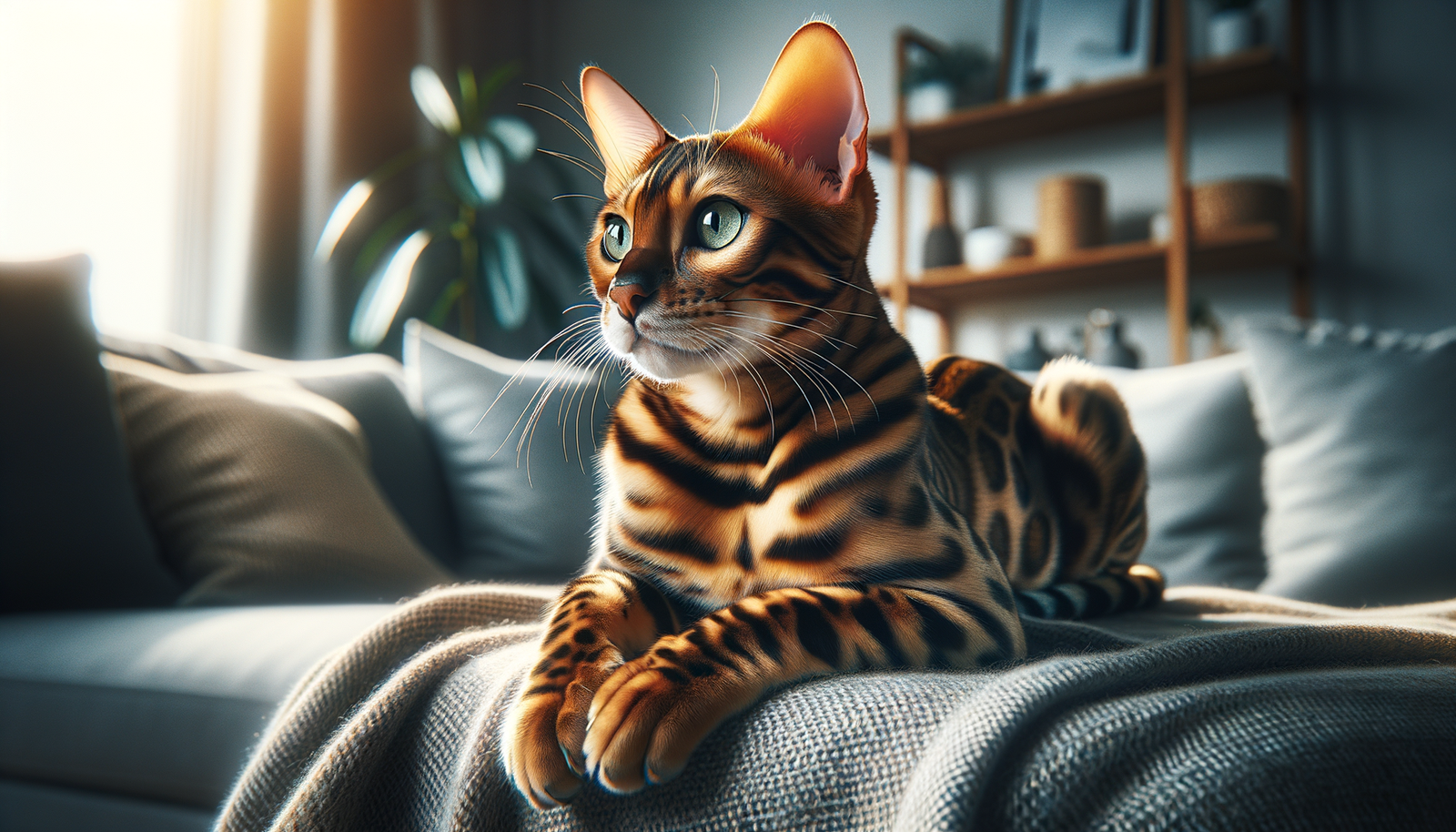
Bengal cats are often described as energetic, intelligent, and curious creatures. Their playful nature is one of the defining aspects of their personality, as they thrive on interaction and stimulation. Unlike some more reserved cat breeds, Bengals are known for their sociable demeanor, often forming strong bonds with their human companions.
They enjoy engaging in playtime activities, whether it be chasing after toys or participating in interactive games that challenge their agility and intellect. In addition to their playful tendencies, Bengal cats exhibit a high level of intelligence that can sometimes lead to mischievous behavior. They are quick learners and can be trained to perform tricks or follow commands, making them an engaging pet for those who enjoy an interactive relationship with their feline friends.
However, this intelligence also means that they require mental stimulation to prevent boredom. Providing them with puzzle toys or engaging activities is essential to keep them entertained and satisfied. Overall, Bengal cats are known for their vibrant personalities, making them delightful companions for those who appreciate an active and affectionate pet.
The Unique Coat Patterns of Bengal Cats
| Coat Pattern | Description | Common Colors | Distinctive Features | Popularity (%) |
|---|---|---|---|---|
| Spotted | Randomly distributed spots resembling a leopard’s coat | Brown, Gold, Silver | Rosetted or solid spots, varying sizes | 60 |
| Marbled | Swirled or blotched patterns creating a marble-like effect | Brown, Snow, Silver | Large, flowing patterns with contrast | 30 |
| Rosetted | Spots with darker outlines and lighter centers | Brown, Gold | Distinct rosette shapes, resembling wild cats | 8 |
| Snow | Light-colored coat with subtle spots or marbling | Seal Lynx Point, Seal Sepia, Seal Mink | Blue or green eyes, pale background | 2 |
One of the most striking features of Bengal cats is their unique coat patterns, which resemble those of wild leopards. Their fur is short and dense, providing a luxurious feel that is both soft and sleek. The coat comes in various colors, including brown, snow (white), and silver, each showcasing distinct patterns that add to their allure.
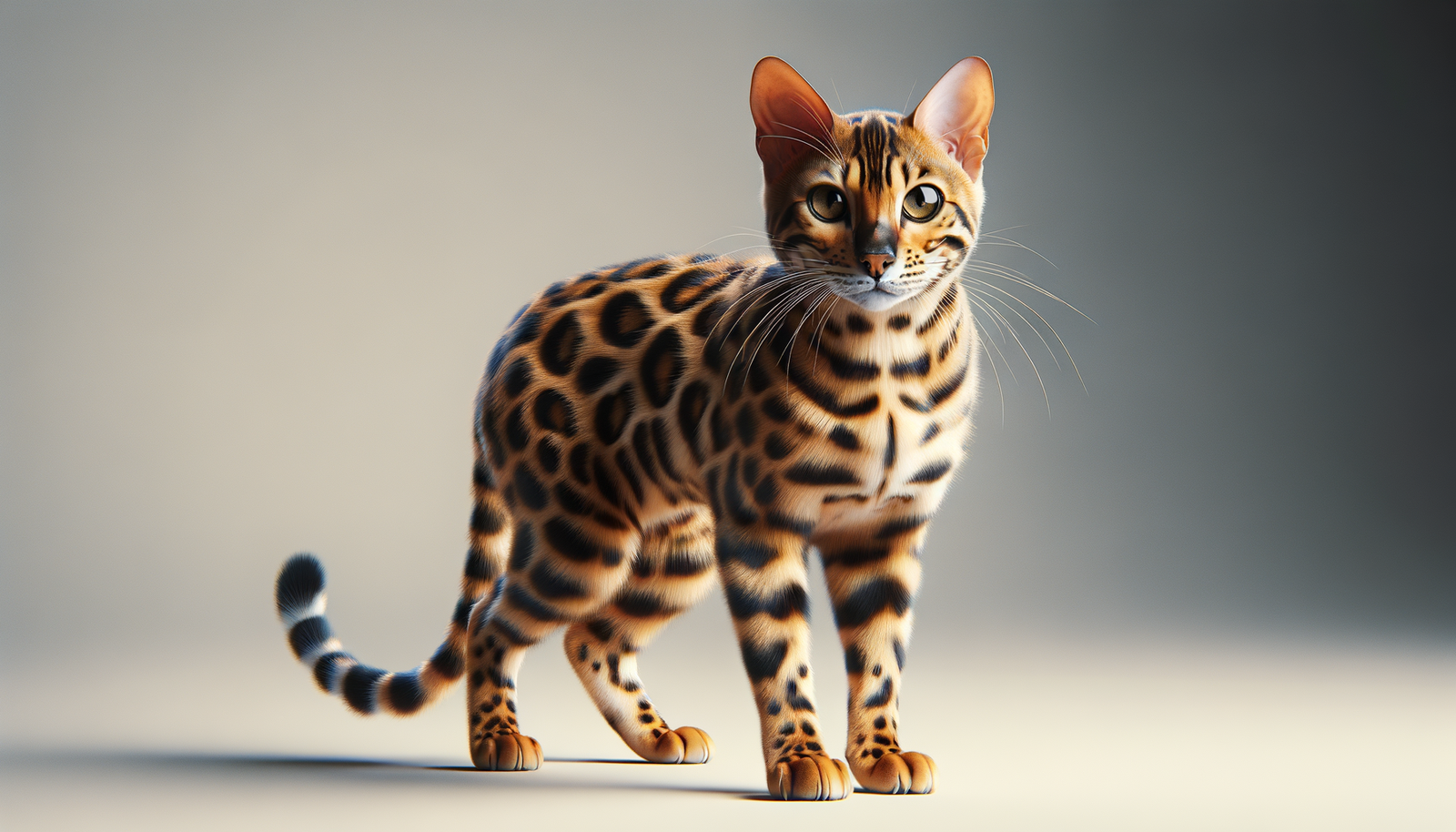
The most common pattern is the spotted coat, where large rosettes or spots are scattered across the body, reminiscent of a wild cat’s markings. In addition to spots, Bengal cats can also exhibit marbled patterns characterized by swirls and lines that create a stunning visual effect. These patterns can vary significantly from one cat to another, making each Bengal unique in its appearance.
The contrast between the background color and the markings enhances the overall beauty of the coat, drawing attention to their striking features. This diversity in coat patterns not only adds to their appeal but also reflects the breed’s wild heritage, allowing owners to appreciate the exotic charm that Bengal cats bring into their homes.
Caring for Bengal Cats: Diet and Exercise
Caring for a Bengal cat involves understanding their specific dietary needs and ensuring they receive adequate exercise to maintain their health and well-being. As active animals with high energy levels, Bengals require a balanced diet rich in protein to support their muscular build and energetic lifestyle. High-quality commercial cat food formulated for active breeds is often recommended, as it provides essential nutrients necessary for their growth and development.
Additionally, incorporating wet food into their diet can help keep them hydrated while offering variety in texture and flavor. Exercise is equally important for Bengal cats due to their playful nature. Regular playtime not only helps them burn off excess energy but also strengthens the bond between the cat and its owner.
Engaging them in interactive play sessions using toys such as feather wands or laser pointers can stimulate their hunting instincts while providing mental enrichment. Moreover, creating an environment that encourages exploration—such as providing climbing structures or scratching posts—can help satisfy their natural curiosity and need for physical activity.
Health Issues and Concerns for Bengal Cats
While Bengal cats are generally healthy animals, they can be prone to certain genetic health issues that potential owners should be aware of before bringing one into their home. One common concern is hypertrophic cardiomyopathy (HCM), a hereditary condition that affects the heart muscle’s thickness and can lead to serious complications if left untreated. Regular veterinary check-ups are essential for early detection of this condition, allowing for timely intervention if necessary.
Another health issue that may affect Bengals is hip dysplasia, a condition where the hip joint does not fit properly into the hip socket. This can lead to arthritis and discomfort as the cat ages. Responsible breeding practices can help minimize these risks; therefore, prospective owners should seek out reputable breeders who conduct health screenings on their breeding stock.
By being informed about these potential health concerns and ensuring regular veterinary care, owners can help maintain the overall health and longevity of their beloved Bengal cats.
Bengal Cats as Pets: What to Expect
Bringing a Bengal cat into one’s home can be an incredibly rewarding experience filled with joy and companionship. However, potential owners should be prepared for the unique challenges that come with this breed’s energetic nature and intelligence. Bengals thrive on interaction and stimulation; thus, they may not be suitable for individuals who spend long hours away from home or those who prefer a more laid-back pet.
Their playful antics can be entertaining but may also require dedicated time for play and engagement. Moreover, Bengals are known for their vocalizations; they often communicate with a range of sounds that can include chirps, trills, and meows. This vocal nature adds another layer of interaction between the cat and its owner but may not be ideal for those seeking a quieter companion.
Additionally, Bengals have a strong prey drive due to their wild ancestry; therefore, it is essential to provide them with safe outlets for this instinct through playtime and interactive toys. Overall, prospective owners should be ready for an active lifestyle filled with fun and engagement when welcoming a Bengal cat into their lives.
The Controversy Surrounding Bengal Cats: Wild Origins and Domestication
The origins of Bengal cats have sparked considerable debate within the feline community regarding the ethics of breeding hybrids from wild ancestors. Critics argue that breeding domestic cats with wild species raises concerns about animal welfare and the potential impact on both domestic and wild populations. They contend that hybridization may lead to unpredictable behaviors or health issues stemming from genetic diversity or incompatibility between species.
On the other hand, proponents of Bengal cats emphasize responsible breeding practices aimed at producing healthy animals with stable temperaments suitable for domestic life. They argue that when bred ethically, Bengals can embody both beauty and companionship without compromising animal welfare standards. This ongoing controversy highlights the importance of education regarding responsible pet ownership and breeding practices while fostering an appreciation for the unique qualities that Bengal cats bring into homes around the world.
As awareness grows about these issues, it becomes increasingly vital for potential owners to consider both sides of the debate before deciding to welcome a Bengal cat into their lives.